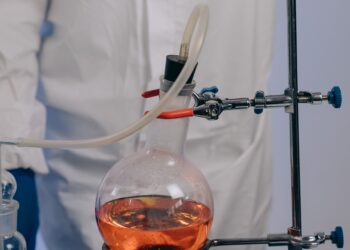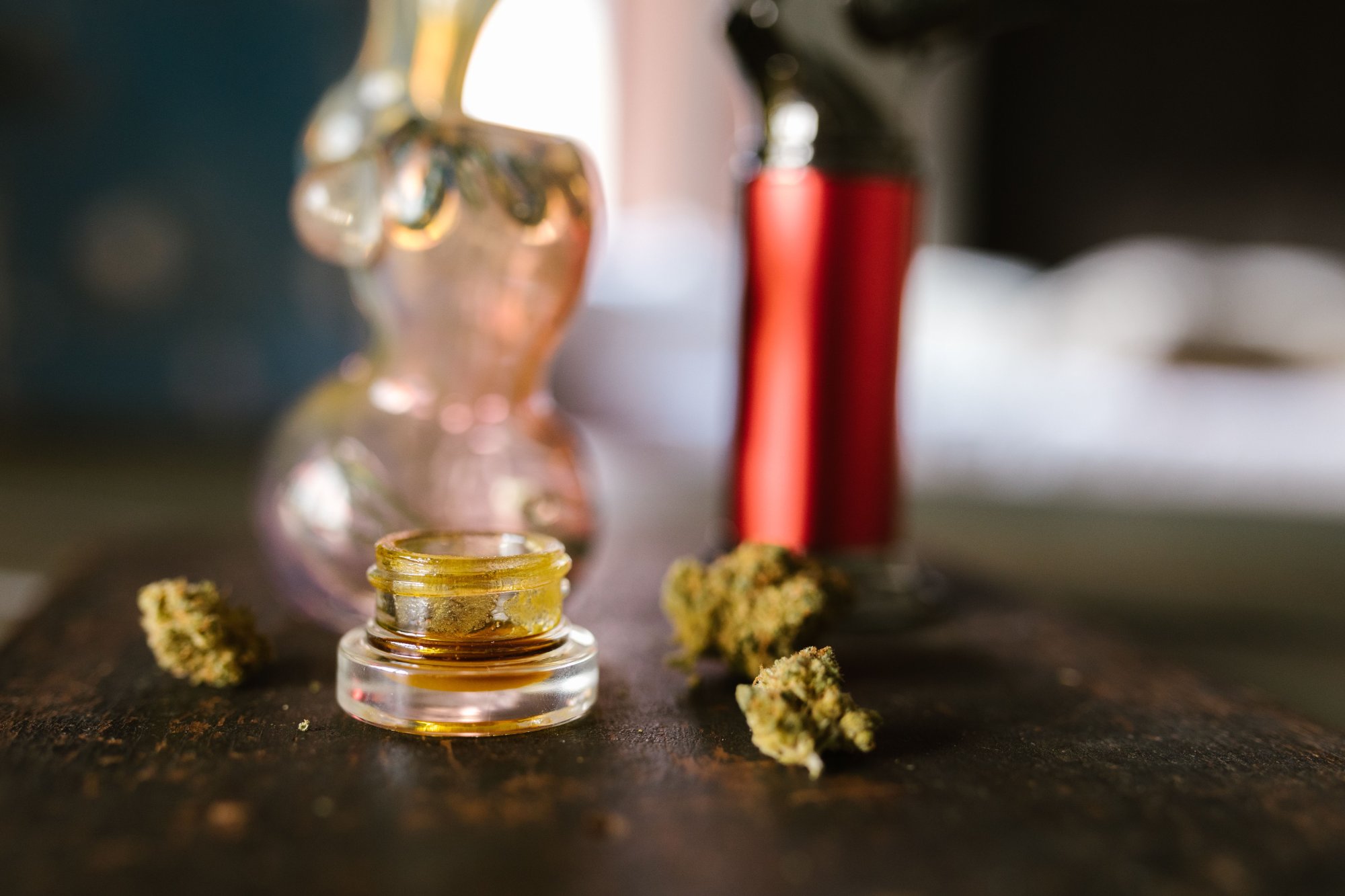
Few product names carry as much weight in the concentrate market as the word “live.” Buyers read it as a promise about aroma, freshness and fidelity to the plant. Brands print it on packaging and price accordingly. Yet the word describes a starting material and a handling philosophy, not a single process, and it sits on top of products that differ sharply in how they are made, what can go wrong with them and what a regulator or retail buyer will expect to see in the paperwork.
That gap between marketing language and manufacturing reality is familiar to anyone who has worked in food or dietary supplements, where “fresh,” “natural” and “cold pressed” have all needed internal definitions before they could be defended. Extraction operators now face the same pressure. The question this article answers is practical: when you compare live resin vs live sugar vs live rosin, what separates them operationally, and which controls borrowed from mature regulated industries keep each one consistent, testable and defensible?
1. Start by Agreeing on What the Names Mean
Why it matters
Most quality failures begin with ambiguity. If two shifts, two facilities or two customers use the same word for different things, no specification can hold. The three products are often discussed as if they were interchangeable tiers. They are not.
- Live resin is generally a solvent-based extract made from fresh-frozen plant material that was frozen shortly after harvest and never dried or cured. Hydrocarbon solvents such as butane and propane at low temperatures are the most common route, though other solvent systems are used. The goal is to carry more of the plant’s volatile aromatic fraction into the finished extract.
- Live sugar is best understood as a texture of live resin, not a separate extraction method. It describes a granular, wet-sand consistency in which cannabinoid crystals have formed or been encouraged to form within a terpene-rich liquid. The texture comes largely from post-extraction handling, such as temperature, agitation and time.
- Live rosin is solventless. Fresh-frozen material is typically washed with ice water and agitation to separate trichome heads, producing ice water hash, which is then pressed with heat and pressure. Some producers press fresh-frozen flower directly, and that product is usually labeled differently, so confirm how your market uses the terms.
What mature industries do
Food and supplement manufacturers write product definitions into controlled documents. A “cold pressed juice” or a “standardized extract” is a defined item with a defined process, not a label choice made at packaging.
How an extraction operator applies it
- Publish an internal glossary approved by quality and production, and train sales and marketing on it.
- Treat each name as a product category with its own specification, batch record template and release criteria.
- Check your state’s rules. Some jurisdictions define or restrict terms such as “solventless” or “live,” others say nothing, and there is no single federal definition operators can rely on.
2. Write a Specification for Each Product, Not Just a Recipe
Why it matters
A recipe tells operators what to do. A specification tells everyone what the product must be. Under dietary supplement manufacturing rules (21 CFR Part 111 is the reference many cannabis and hemp operators borrow from), specifications for components, in-process steps and finished product are the backbone of the system. Without them, a certificate of analysis is just a report with nothing to be compared against.
What mature industries do
They define identity, purity, strength and composition limits, then tie each limit to a test method and an action when results fall outside range.
How an extraction operator applies it
Build a one-page specification per product line. A simple comparison table helps teams see why one document cannot serve all three.
| Attribute | Live resin | Live sugar | Live rosin |
|---|---|---|---|
| Starting material | Fresh-frozen biomass | Fresh-frozen biomass | Fresh-frozen biomass or ice water hash |
| Separation method | Solvent extraction | Solvent extraction, then post-processing | Mechanical: wash, then heat and pressure |
| Defining feature | Terpene-rich extract | Granular, crystal-in-liquid texture | Solventless claim |
| Primary hazard focus | Residual solvents, purge control | Residual solvents, texture consistency | Microbial load, water, foreign material |
| Key claim to substantiate | “Live” sourcing and handling | “Live” plus consistent texture | “Solventless” and “live” |
- List critical quality attributes: potency range, terpene content or profile where you claim one, residual solvents, moisture or water activity, contaminants and appearance.
- Set both acceptance limits and internal alert limits that trigger review before a batch fails.
- Name the test method and the laboratory for each attribute.
3. Control the Starting Material and the Cold Chain
Why it matters
All three products depend on fresh-frozen input, which makes the freezer a critical piece of process equipment. A “live” claim is only as good as the records showing how long the plant was held between harvest and freezing, and whether it stayed frozen afterward.
What mature industries do
Food manufacturers treat temperature as a critical control point. They define limits, monitor continuously, record excursions and decide disposition when limits are exceeded. Frozen produce and seafood programs rely on this discipline daily.
How an extraction operator applies it
- Record harvest time, time to freezer and freezer temperature at intake for each lot.
- Use calibrated data loggers with alarms in freezers and during transport, and keep calibration records.
- Define what happens after a thaw event: quarantine, assessment, and a documented decision to use, reclassify or discard. Reclassification matters. Material that thawed may no longer support a “live” label.
- Segregate strains and lots in storage, and label with lot number, date and status.
- Qualify cultivation suppliers. Ask for their pesticide programs, test results and handling practices, since contaminants in the input follow the material into concentrates, and solvent processes can concentrate them.
Inbound controls also affect plant design. Freezer capacity, staging space and one-way flow between raw and finished areas are easier to build in than to retrofit, a point we return to in our coverage of safety and compliance.
4. Validate the Solvent Process and Treat Purge as a Critical Step
Why it matters
For live resin and live sugar, the residual solvent result is the test most likely to decide whether a batch ships. Low-temperature, terpene-preserving processes create a tension: the same gentle conditions that protect aroma also make it harder to purge solvent without losing the very compounds the product is sold on.
What mature industries do
Pharmaceutical manufacturers validate processes that use solvents. They define the operating ranges, demonstrate that the process reliably removes solvent to acceptable levels, and monitor it afterward. They do not rely on final testing alone to prove a process works.
How an extraction operator applies it
Define and lock the critical parameters
- Solvent-to-material ratio, column and collection temperatures, recovery pressures and times.
- Purge temperature, vacuum level and duration, with allowed ranges, not just targets.
- Maximum batch size and fill depth in purge vessels, since depth affects solvent removal.
Run qualification before commercial production
- Document installation, operational and performance checks for closed-loop systems, vacuum ovens and temperature controls.
- Run several consecutive batches with the same parameters and compare results against the specification.
- Record safety systems as part of the file: gas detection, ventilation, explosion-rated electrical classification where required, and alarm testing. Your authority having jurisdiction and fire code will have views here.
Monitor in process
- Log purge conditions on the batch record in real time.
- Use in-process checks, where practical, to catch drift before final testing.
For more on solvent selection and handling risks, see our solvents coverage.
5. Manage Live Sugar Texture as a Controlled Variable
Why it matters
Live sugar presents a problem that is almost cosmetic but has real commercial weight. Buyers expect a particular consistency, and that consistency can shift between batches, with storage temperature, or during transport. Because texture emerges from handling rather than from a separate extraction step, it is easy to leave unmanaged.
What mature industries do
Confectionery and food manufacturers deal with crystallization all the time. They treat it as a controlled phenomenon, defining holding temperatures, agitation and time, and they record those as process parameters, not craft habits.
How an extraction operator applies it
- Write the post-extraction handling steps into the batch record: holding temperature, duration, agitation method and any seeding or curing step you use.
- Define an appearance standard with reference photos and a description of acceptable ranges, including how much liquid separation is acceptable.
- Decide whether texture is a release criterion or an informational attribute, and say so in the specification.
- Control changes. If a new technician, a new vessel or a different holding room changes the outcome, route that through change control, not informal adjustment.
Do not assume texture is a stand-in for quality. A product can look the part and still carry a solvent or contaminant problem, and a plain-looking batch can be perfectly sound. The specification should separate what the customer sees from what the laboratory measures.
6. Apply Sanitation and Water Controls to Solventless Production
Why it matters
Solventless does not mean risk-free. Live rosin production uses large volumes of water, wet processing, bags and screens, and then heat pressing of a material that may be sold without any further purification step. Microbial contamination, water activity and foreign material become the chief concerns, and there is no solvent step to reduce microbial load.
What mature industries do
Food processors treat wet processing as a hazard analysis problem. They examine water quality, equipment cleanability, drying and storage, and set sanitation programs with verification, such as swabs and environmental monitoring. This is the logic of HACCP applied to a plant-based product.
How an extraction operator applies it
- Water: define the water source and any filtration or treatment, test it on a schedule, and keep results on file.
- Equipment: use materials that clean well, write cleaning procedures with defined agents and contact times, and verify cleaning on a sampling basis.
- Drying and handling: control the time between washing and pressing or freezing, since moisture left in the hash raises microbial and quality concerns.
- Personnel: require hygiene practices consistent with food handling, including handwashing, gloves, hair and beard covering, and no eating in production areas.
- Pressing: use food-contact appropriate parchment and plates, log press temperature, pressure and time, and control the foreign-material risk from bags and filter screens.
- Hash grading: record input quality, such as micron range and visual grade, because the output depends on it.
Document a hazard analysis for the solventless line separately from the solvent line. The hazards differ, so the plans should too.
7. Build a Testing and Certificate of Analysis Program You Can Defend
Why it matters
A certificate of analysis is a product claim in itself. Retailers, regulators and consumers read it as proof. If the sampling is weak, the laboratory is poorly qualified or the report does not match the label, the document becomes a liability.
What mature industries do
Supplement and pharmaceutical firms qualify their testing laboratories, verify methods, and review every certificate before accepting a lot. They do not treat third-party reports as automatically correct.
How an extraction operator applies it
- Sampling plan: write a procedure for how samples are drawn from a batch, by whom, and how they are labeled. Heterogeneous textures such as live sugar make representative sampling especially important, since crystals and liquid may not be evenly distributed.
- Panels: match the panel to the product. Solvent-based products need residual solvent testing. All products need potency and the contaminant tests your state requires, which commonly include pesticides, heavy metals and microbial testing. Check your jurisdiction’s exact list, since it varies.
- Terpene reporting: if you market aroma, test terpenes with a consistent method and report the profile the same way every time. Define how you will handle batch-to-batch variability in the spec.
- Laboratory qualification: prefer laboratories accredited to ISO/IEC 17025 where your state allows it, review their methods and limits of quantitation, and audit or at least interview them.
- Certificate review: have a trained reviewer compare each report to the specification before release, and record the decision.
- Retains: keep retained samples for each batch so questions can be answered later.
Methods and instrumentation are covered in more depth in our analytical techniques section.
8. Substantiate the Words on the Label
Why it matters
“Live,” “solventless,” “fresh frozen” and “full spectrum” are claims. Where states regulate cannabis labeling, packaging and advertising, operators can face enforcement or product holds for statements they cannot support. Outside the cannabis market, hemp-derived products raise a separate set of federal and state questions, and operators should not assume that rules for one carry over to the other.
What mature industries do
Food and supplement companies keep a substantiation file for each claim. Labels go through a review step where regulatory and quality staff check text against specification, test data and law before printing.
How an extraction operator applies it
- Maintain a claims register that lists each marketing term, its internal definition and the records that support it.
- For “live,” keep harvest-to-freeze times and cold chain records by lot.
- For “solventless,” confirm that no solvent contacts the product at any stage, including equipment cleaning and any post-processing, and document it.
- Prohibit health or medical claims in labeling and marketing. Describe the product, its source and its test results, and leave it there.
- Run a label review step before print, with sign-off from quality, and re-review when a specification or state rule changes.
- Treat proposed rules as proposed. If a state is drafting new definitions, monitor them and plan, but do not relabel on the basis of a draft.
9. Plan for Stability, Storage and Shelf Life
Why it matters
Terpene-rich products are inherently less stable than distillates. Aroma compounds are volatile, textures can shift, and liquid can separate from solids. A product that tests well at release can look and smell different weeks later, and consumers and retailers will notice before any laboratory does.
What mature industries do
Pharmaceutical and supplement firms run stability studies. They store samples under defined conditions, test at set intervals and use the data to set storage instructions and expiration or best-by dates.
How an extraction operator applies it
- Pull retained samples at planned intervals and test the attributes that matter to the product: potency, terpene profile, appearance and, where relevant, moisture.
- Test the final container system, since headspace, closure and material can change outcomes.
- Define storage conditions on the label and in the warehouse, such as cool and dark, and keep temperature records for finished inventory.
- Set dating based on your own data, not on a competitor’s claim. Where you have no data yet, be conservative and say so internally.
- Use the results to guide process changes, such as altering holding temperatures to reduce separation.
Self-Assessment Checklist
Use this short list to see where your program stands. Each “no” is a place to start.
- Do we have written definitions for live resin, live sugar and live rosin, approved by quality?
- Does each product line have its own specification with test methods and acceptance limits?
- Do we record harvest-to-freezer time and freezer temperature for every lot?
- Is there a documented decision path when fresh-frozen material thaws?
- Have our solvent systems and purge steps been qualified, with parameter ranges in the batch record?
- Is texture for live sugar defined, controlled and reviewed through change control?
- Do we have a hazard analysis, water testing and a sanitation verification program for solventless work?
- Do we use qualified laboratories, and does a trained reviewer check every certificate before release?
- Is every label claim backed by records in a claims register?
- Do we have stability data, or a plan to generate it, for each product and package?
Frequently Asked Questions
Is live sugar a different extraction method from live resin?
Generally no. Live sugar is usually a live resin whose texture has developed into a granular, crystal-and-liquid consistency through post-extraction handling. Operators should still define it as its own product with its own appearance standard, since customers buy it for that texture.
Does solventless mean a product needs less testing?
No. Solventless products skip the residual solvent concern, but they can still carry pesticides, heavy metals, microbial contamination and moisture-related problems. Testing requirements are set by your state or market, so confirm the full panel instead of assuming exemptions.
Can a company call any fresh-frozen extract “live”?
Terminology varies by jurisdiction, and there is no single federal definition operators can point to. The safest practice is to define the term internally, keep records that show how each lot qualifies, and check your state’s labeling rules before printing.
Why do live products need a cold chain program?
The “live” claim rests on the idea that the plant was frozen quickly and stayed frozen. Without temperature and timing records, that claim cannot be substantiated, and material that thawed may need to be reclassified.
Which product is hardest to keep consistent?
Each has its own challenge. Solvent-based products depend on tight purge control, live sugar on texture management, and live rosin on the quality of the input hash and on sanitation. Consistency comes from specifications and controlled parameters, not from the product category itself.
Next Steps for Your Facility
If you are planning a new line or reworking an existing one, the choice between solvent and solventless production affects more than the product. It shapes room layout, utilities, freezer capacity, hazardous-area classification and the documents you will need. Our extraction technology coverage looks at the equipment side, and facility planning resources at nextbldg.com can help you think through building requirements before construction starts. Start with one product, write its specification, and build the records around it.
Conclusion: Names Sell Products, Specifications Protect Them
Live resin, live sugar and live rosin may share a word, but they do not share a risk profile. One leans on solvent purge, one on texture control, one on sanitation and water. Food, pharma and supplement manufacturers learned long ago that a consistent product comes from written definitions, validated processes, qualified testing and claims backed by records. Operators who adopt those habits will find that the label becomes easier to defend, the batches easier to repeat and the audits easier to pass. A name only makes a promise. The specification is what keeps it.