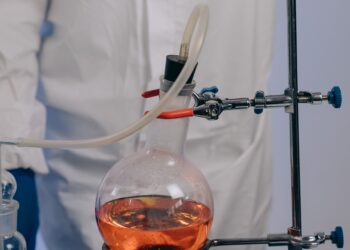
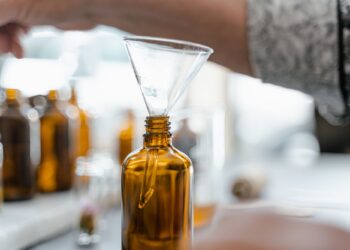
For years, the hydrosol was the quiet by-product of the still. Steam passed through plant material, the essential oil separated on top, and the aromatic water underneath was poured off, sold in a few small bottles or sent down the drain. That is changing. Buyers in cosmetics, food flavoring, home fragrance and wellness are asking for hydrosols by name, and they are asking the questions they ask of any ingredient supplier: what is it, where did it come from, how do you know, and how long will it keep.
Those questions are harder to answer than they look. A hydrosol is mostly water, which makes it a friendly environment for microbes. Its aroma varies with species, harvest, and distillation conditions. And the regulatory category depends on intended use: a rose water sold as a food flavoring sits under food rules, while a facial mist sits under cosmetic rules. Operators who already run extraction lines have an advantage, but only if they bring the same discipline to the water side of the still that they bring to the oil side.
So here is the question this article answers: which plants are most often used for hydrosol production, and what does each one teach an extraction operator about borrowing controls from mature regulated industries? We do not give medical claims or performance promises for any plant. This is a quality-systems read.
The Ten Plants at a Glance
| Plant | Main lesson | Borrowed from |
|---|---|---|
| Lavender | Identity and specifications | Dietary supplements |
| Rose | Supplier qualification | Food import programs |
| Chamomile | Foreign matter and sensitizers | Food allergen control |
| Peppermint | Carryover and cleaning | Pharmaceutical cleaning validation |
| Rosemary | Shelf life and stability | Cosmetic and food stability work |
| Witch hazel | Compendial standards and claims | Over-the-counter and pharmacopoeial practice |
| Orange blossom | Lot definition and seasonality | Flavor industry batch records |
| Lemon balm | Fresh material handling | HACCP |
| Rose geranium | Process control and change control | Pharmaceutical process validation |
| Hemp and cannabis | Legal status and traceability | Regulated agricultural supply chains |
1. Lavender: Identity and Specifications Come First
Lavender is probably the most commonly distilled hydrosol plant, and it is also a good lesson in why a plant name is not a specification. Lavender species and hybrids differ, and trade names are used loosely. A label that says only "lavender" leaves a buyer guessing.
Why it matters
If you cannot say which species and plant part went into the still, you cannot reproduce the product, and you cannot defend it when a customer questions a lot.
What mature industries do
Dietary supplement manufacturers operating under 21 CFR Part 111 must verify the identity of dietary ingredients, not just accept a supplier statement. The principle carries well beyond supplements: an ingredient is not accepted until it is confirmed to be what it claims to be.
How to apply it
- Write a raw material specification that names the genus, species, plant part and, where relevant, cultivar.
- Confirm identity at receiving, through macroscopic inspection by a trained person at minimum, with a retained reference sample.
- Write a finished-product specification for the hydrosol: appearance, odor description against a reference, pH and microbial limits.
- Keep a retained sample of every lot.
2. Rose: Supplier Qualification for a High-Value, Often Imported Crop
Rose hydrosol, or rose water, is a long-established product and often a premium one. Premium products attract adulteration risk and substitution, and much of the supply is imported.
Why it matters
A hydrosol is only as defensible as the petals behind it. Pesticide history, drying practices and storage all arrive with the raw material.
What mature industries do
Food manufacturers run approved supplier programs. Importers in the United States work under foreign supplier verification expectations that require them to know their suppliers’ hazard controls. The common elements are a questionnaire, a documented approval decision, periodic review and, for higher-risk items, audits.
How to apply it
- Maintain an approved supplier list, and do not buy from suppliers who are not on it.
- Request certificates of analysis, then verify a sample of them with your own testing so you know the paperwork is reliable.
- Ask for growing, drying and storage records, and for pesticide and contaminant testing results.
- Define what happens when a lot fails: reject, quarantine, return, and notify.
3. Chamomile: Foreign Matter and Sensitizers
Chamomile flowers are small, delicate and handled in bulk, so stems, other plants and field debris are common. Chamomile also belongs to the Asteraceae family, and some people react to plants in that family.
Why it matters
Foreign matter is a quality defect, and a sensitizer that is not disclosed is a customer-trust problem. Neither is solved by the still.
What mature industries do
Food plants run allergen programs with dedicated storage, scheduled changeovers, labeling review and cross-contact controls. Asteraceae plants are not among the major food allergens defined in US law, but the same program logic is good practice for anything with known sensitization potential. Foreign material controls such as sieves, magnets and visual inspection are standard.
How to apply it
- Inspect and sort incoming flowers before charging the still, and record what was removed.
- Keep a plain-language list of plants processed on each line and review label statements against it.
- Store botanicals with strong sensitization histories in labeled, segregated locations.
- Filter hydrosol before filling and record the filter type and change interval.
4. Peppermint: Carryover and Cleaning Validation
Peppermint is aromatically powerful. A still that has processed peppermint can leave a trace on the next batch of something delicate, and no one wants a peppermint note in a rose water.
Why it matters
Carryover is a quality problem when it is an odor, and potentially a compliance problem when the residue is another plant that is not declared.
What mature industries do
Pharmaceutical manufacturers validate cleaning. They define what residue they are looking for, set an acceptance limit with a rationale, sample from the hardest-to-clean locations and prove the procedure works repeatedly. Cleaning is a verified process, not an assumption.
How to apply it
- Write a cleaning procedure for each still, condenser, separator and transfer line, with named steps and cleaning agents.
- Identify hard-to-clean points: gaskets, sight glasses, hoses, dead legs and the florentine flask.
- Verify by sensory check against a blank run and by a swab or rinse test where you have the analytical capacity.
- Sequence production from mild to strong aromatics wherever the schedule allows.
5. Rosemary: Stability and Shelf Life Are Studied, Not Guessed
Rosemary hydrosol is widely made and widely stocked, and it illustrates a question every operator gets: how long does it last?
Why it matters
A printed shelf life with no data behind it is a liability. Water-based products can spoil, change color and lose aroma, and the way that happens depends on your packaging and handling.
What mature industries do
Food and cosmetic manufacturers run stability programs. They store samples under defined conditions, test at set intervals, and set shelf life based on the results. Cosmetic makers also use preservative efficacy testing, such as challenge testing, to show that a preservation system holds up when a product is contaminated.
How to apply it
- Define what "stable" means for your product: appearance, odor, pH and microbial counts.
- Test retained samples in the final package at set intervals, and record the results.
- Decide whether your hydrosol will be preserved, and if so, how. Be aware that preservation affects labeling and category.
- Do not extend the dating of a product without data.
6. Witch Hazel: Compendial Standards and Claim Discipline
Witch hazel is a historic distilled plant product with a long place in compendial and over-the-counter practice. Commercial witch hazel products often include added alcohol, which changes both the preservation picture and the regulatory conversation, so a plain distilled witch hazel hydrosol is not the same thing.
Why it matters
When a product has an established standard, buyers will compare yours against it. And the moment a label implies a health purpose, the product may be regulated differently.
What mature industries do
Pharmaceutical and OTC manufacturers build specifications from compendial monographs where they exist, and they tightly control what the label and marketing say. Regulatory review of claims is a documented step, not an afterthought.
How to apply it
- Check whether a pharmacopoeial or industry standard exists for your plant and understand how your product differs from it.
- Have a named person review every label, web page and sales sheet before release.
- Keep descriptions factual: what the product is, how it is made, how to store it.
- Confirm with counsel or a regulatory consultant how your intended use is classified.
7. Orange Blossom: Lot Definition and Seasonality
Orange blossom water, from the flowers of the bitter orange tree, has a short harvest window. What you distill in one week may not resemble what is available a month later.
Why it matters
If you blend across days, fields or harvests without defining a lot, a complaint becomes impossible to trace and a quality shift becomes impossible to explain.
What mature industries do
The flavor and food industries define lots, assign numbers, and keep batch production records that link raw materials, equipment, operators, process data and finished containers. They accept that natural materials vary, and they manage it with specifications and blending rules instead of ignoring it.
How to apply it
- Define a lot in writing: one distillation run, or a defined set of runs blended in a documented tank.
- Record harvest date, supplier lot, still ID, charge weight, water volume, start and end times and fill volume.
- Write down when blending is allowed and how it is documented.
- Test a retained sample from each harvest week to understand variation before it reaches a customer.
8. Lemon Balm: Fresh Material and Time Control
Lemon balm is a soft, leafy herb, and it is often distilled fresh. Fresh leaf is wet, warm if it sits, and quick to degrade.
Why it matters
Hours of delay between cutting and distilling can change both the aroma and the microbial load. This is a control point, not a detail.
What mature industries do
HACCP, the hazard analysis and critical control point approach used across food, asks operators to identify hazards, decide which steps control them, set limits and monitor them. Fresh produce handling relies on time and temperature limits, clean contact surfaces and documented corrective actions.
How to apply it
- Draw a flow diagram from field to filled bottle and mark where microbes could enter or grow.
- Set a maximum hold time between harvest and charging, and record the actual time for every lot.
- Use clean, food-grade totes and wash them between uses.
- Define a corrective action if the limit is missed, such as discard, test before release, or divert to non-hydrosol use.
9. Rose Geranium: Process Control and Change Control
Rose geranium is distilled for both its oil and its hydrosol, and the way the still is run matters. Charge density, steam rate, distillation time and how the condensate is cut all shape the result.
Why it matters
If the process lives in one distiller’s head, the product will drift when that person is away, and it will be difficult to improve deliberately.
What mature industries do
Pharmaceutical manufacturers write down critical process parameters, show that the process works within defined ranges, and use change control so that no one alters equipment, materials or settings without review. Operating records show who did what and when.
How to apply it
- Write a standard operating procedure for each plant, listing charge weight, steam or heat input, run time and the point at which you collect hydrosol.
- Specify materials of construction and gasket types, and confirm they are suitable for food or cosmetic contact.
- Control the water: record its source, treatment and any testing.
- Put a change control form in place for new equipment, new parameters and new suppliers.
10. Hemp and Cannabis: Legal Status and Traceability
Hemp and cannabis hydrosols are a newer category, and they sit where an extraction operator’s existing licenses and testing programs matter most.
Why it matters
Legal status depends on the plant, the jurisdiction and the license you hold. Federal hemp law has been subject to legislative change, and state cannabis rules differ widely, so confirm the current position before you plan a product. Do not assume that a water-based co-product is outside your regulator’s view.
What mature industries do
Regulated agricultural and food supply chains rely on documented chain of custody, lot traceability and mock recalls. They treat regulatory review as a standing process and keep records ready for inspection.
How to apply it
- Ask your regulator or counsel how a hydrosol from your plant material is classified, and keep the answer on file.
- Test finished lots for the contaminants and potency parameters that apply to your license, and do not assume a hydrosol will test clean.
- Carry seed-to-sale or lot identifiers from raw material through to the hydrosol container.
- Run a mock recall: pick a finished lot and trace it back to the field within a defined time.
Self-Assessment Checklist
Use this list to find your gaps before a customer or inspector does. Answer yes or no, and treat each no as a work item.
- Does each plant have a written raw material specification, including species and plant part?
- Do you keep an approved supplier list and review it at least yearly?
- Is identity confirmed at receiving, and is a reference sample retained?
- Are foreign matter and sensitizer controls documented?
- Are cleaning procedures written, and has cleaning been verified?
- Is there a written lot definition and a batch record for every run?
- Do you have a maximum hold time for fresh material?
- Is the shelf life on your label supported by stability data?
- Do you have change control for process, equipment and supplier changes?
- Can you trace any finished lot back to its raw material in a mock recall?
- Has someone reviewed your intended use and claims for regulatory category?
Fewer than eight yes answers suggests the quality system needs structure before the product line grows. For related reading, see our coverage of safety and compliance, botanical extraction, analytical techniques and product refinement.
Frequently Asked Questions
What is a hydrosol?
A hydrosol is the aromatic water that remains after steam distillation or hydrodistillation of plant material, once the essential oil has been separated. It contains trace amounts of volatile plant compounds dissolved in water.
Is a hydrosol the same as an essential oil?
No. An essential oil is the separated oil phase. A hydrosol is the water phase and is far more dilute, with different handling and microbial considerations.
How long does a hydrosol last?
It depends on the plant, the process, the water quality, the container and whether the product is preserved. The defensible answer comes from your own stability testing, not from a general rule.
Do hydrosols need microbial testing?
Because they are water-based, microbial control is a central quality issue. Test finished lots and stability samples against limits appropriate to the product’s category and intended use.
What regulations apply?
It depends on intended use. Food use falls under food regulations, cosmetic use under cosmetic law, including the Modernization of Cosmetics Regulation Act, and cannabis or hemp material under federal and state rules. Some implementing rules have been pending or proposed, so check current status with a qualified advisor.
Which plant should a new operator start with?
Pick one with a reliable, documented supplier and a forgiving aroma profile, then build your specifications, batch record and stability program around it before adding others.
Ready to Build the System Around Your Still?
If you are planning a hydrosol line, or building the facility, documentation and workflows to support one, start with a layout and quality framework that suits regulated production. Talk to the team at nextbldg.com about facility planning and compliance-ready design for extraction operations.
Conclusion: Quality Is Built Into the Water, Not Added Later
The ten plants above differ in aroma, season and market, but the lessons repeat. Know exactly what you are distilling, qualify who supplies it, control what could contaminate it, define a lot, prove your shelf life, and keep records that let you trace anything. None of that is new. Food, pharma and supplement manufacturers learned it the hard way, and extraction operators can borrow it at no cost to creativity. Regulatory readiness is not a one-time project. It is an ongoing management discipline.