
Introduction: Food Safety Is Becoming an Operational Priority for Cannabis Manufacturers
Cannabis extraction facilities are increasingly expected to operate with the same level of process control, documentation, sanitation, and risk management found in established food and ingredient manufacturing industries. As cannabis-derived ingredients enter gummies, beverages, edibles, topicals, dietary supplements, and other consumer products, manufacturers must consider more than extraction yield and cannabinoid potency. They must also demonstrate that their processes consistently control hazards that could affect consumer safety.
One framework is attracting particular attention: Hazard Analysis and Critical Control Points, better known as HACCP.
HACCP is a systematic approach to identifying food safety hazards, determining where they can be controlled, and establishing procedures to prevent those hazards from reaching consumers. It is widely used in food manufacturing and other regulated production environments. Its principles can also help cannabis and hemp processors strengthen their quality systems, even when a specific regulation does not explicitly require a formal HACCP plan.
But is HACCP about to become mandatory across the cannabis industry?
The answer is more complicated than a simple yes or no. Requirements depend on the product, the facility’s activities, the applicable federal and state rules, and the regulatory category under which a product is manufactured and sold. Some cannabis-adjacent food operations already face explicit food safety requirements, while other cannabis businesses operate under state-specific cannabis rules that may impose different obligations.
For extraction operators, the practical question is not simply whether a regulator will require a document labeled “HACCP.” It is whether the facility can identify, control, and document the hazards associated with its processes—and whether its existing systems will withstand regulatory scrutiny as products and markets evolve.
1. What Is HACCP, and Why Does It Matter?
HACCP is a preventive food safety management system designed to identify hazards before they cause contamination, product failure, or consumer illness. Rather than relying entirely on finished-product testing, HACCP focuses on controlling risks throughout production.
The U.S. Food and Drug Administration (FDA) describes HACCP as a system for analyzing and controlling biological, chemical, and physical hazards across the food supply chain. Its seven principles provide a structured framework for determining what can go wrong, where controls are needed, and how the facility will verify that those controls work.
FDA
+1
For cannabis extraction operators, this approach is relevant because an extract can move through several stages before becoming a finished consumer product. Raw botanical material may undergo drying, storage, extraction, filtration, concentration, formulation, filling, packaging, and distribution. Each stage can introduce or amplify different risks.
A high-potency extract that meets its cannabinoid specification is not automatically safe. It may still contain unacceptable levels of residual solvents, pesticides, heavy metals, microbial contaminants, or other unwanted substances. A finished gummy may also present risks involving allergens, inconsistent ingredient distribution, inadequate process controls, or packaging that fails to protect the product.
HACCP helps manufacturers organize these hazards into a documented system of controls.
The seven principles of HACCP
1
Conduct a hazard analysis
Identify biological, chemical, and physical hazards associated with raw materials, equipment, personnel, processing steps, and finished products.
2
Determine critical control points (CCPs)
Identify steps where control is essential to prevent, eliminate, or reduce a significant food safety hazard to an acceptable level.
3
Establish critical limits
Set scientifically supported limits, such as time, temperature, pH, or another measurable parameter, where applicable.
4
Establish monitoring procedures
Define who checks each control, how often checks occur, what equipment is used, and how results are recorded.
5
Establish corrective actions
Specify what happens when a control fails, including product segregation, investigation, disposition, and measures to prevent recurrence.
6
Establish verification procedures
Confirm that the system is implemented correctly and that the controls are effective through record reviews, calibration, testing, and other appropriate verification activities.
7
Maintain records and documentation
Keep hazard analyses, monitoring logs, corrective-action records, verification results, and supporting documentation.
These principles are outlined in the FDA’s HACCP guidance. They should be supported by prerequisite programs, including good manufacturing practices, sanitation, pest control, employee hygiene, equipment maintenance, and supplier management.
FDA
+1
Importantly, HACCP does not mean that every risk must be managed at a critical control point. Some hazards are better addressed through sanitation programs, supplier controls, preventive controls, or other documented procedures.
2. Is HACCP Legally Required for Cannabis Facilities?
There is no single federal HACCP mandate that applies uniformly to every cannabis cultivation, extraction, manufacturing, and retail operation in the United States.
The regulatory position depends on the product being made, the facility’s activities, and the rules governing its market.
FDA food safety requirements
Under the FDA’s Current Good Manufacturing Practice, Hazard Analysis, and Risk-Based Preventive Controls for Human Food rule, 21 CFR Part 117, covered food facilities generally must comply with applicable current good manufacturing practices (CGMPs). Facilities subject to the rule’s preventive-controls requirements must also conduct hazard analyses and establish risk-based preventive controls, unless an exemption applies.
FDA
+1
This distinction matters because the federal framework is not simply a universal requirement to adopt a traditional HACCP plan. The preventive-controls rule can require a written food safety plan developed and overseen by a qualified individual, with controls appropriate to the hazards identified.
Those controls may include process controls, sanitation controls, allergen controls, supply-chain controls, and a recall plan. Critical control points are included when the hazard analysis determines they are appropriate.
LII / Legal Information Institute
+1
Cannabis-derived ingredients introduce an additional legal complication. The FDA’s current position is that introducing food containing added THC or CBD into interstate commerce is prohibited under section 301(ll) of the Federal Food, Drug, and Cosmetic Act, subject to the statute’s exceptions. The agency has also raised safety and regulatory concerns about CBD in conventional food and dietary supplements.
FDA
Consequently, manufacturers should not assume that a state cannabis license makes a product permissible under federal food law. Nor should they assume that implementing HACCP resolves questions about ingredient legality, product classification, or market authorization.
State cannabis regulations
State requirements vary considerably. Some jurisdictions prescribe detailed manufacturing practices, sanitation procedures, product testing, facility controls, and documentation requirements. Others use different combinations of licensing standards and food safety provisions.
A state may require a specific food safety plan, impose HACCP-related requirements for certain products or processes, or require compliance with applicable food manufacturing rules. These obligations must be assessed individually rather than extrapolated across the entire industry.
Operators should review the current regulations of each state in which they manufacture or distribute products, including any separate requirements for infused edibles, beverages, concentrates, and hemp-derived ingredients.
The practical takeaway
Food safety obligations can already apply even when a regulation does not specifically require a document titled “HACCP Plan.”
For example, a business manufacturing a covered conventional food product may be subject to federal CGMP requirements and, depending on its circumstances, preventive-controls requirements. A state-licensed cannabis processor may also have separate state obligations.
The correct starting point is a regulatory applicability assessment—not an assumption that all cannabis facilities must, or need not, implement HACCP.
3. Where HACCP Applies in a Cannabis Extraction Facility
A useful HACCP program begins with the actual production process, not a generic checklist. The facility should map each step from incoming material through finished-product release and distribution, then evaluate the hazards associated with each operation.
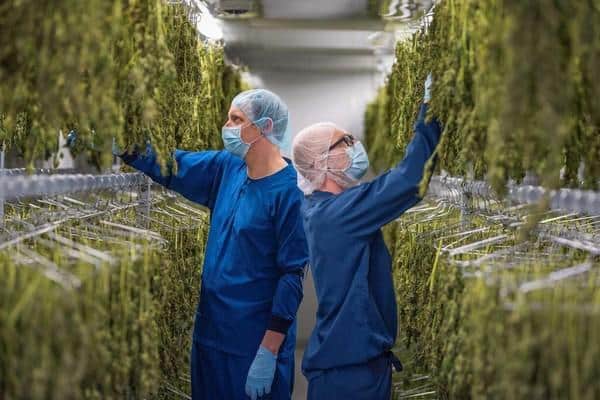
Controlled handling, sanitation, and documented processing procedures are important components of a cannabis facility’s broader food safety and quality management system.
Several stages deserve particular attention.
Raw material receiving and storage
Cannabis and hemp biomass can introduce biological, chemical, and physical hazards into the production environment. Potential concerns include mold, microbial contamination, pesticide residues, heavy metals, foreign materials, and inconsistent moisture levels.
Operators should establish documented supplier approval procedures, receiving inspections, material identification, appropriate storage conditions, and risk-based testing specifications.
Incoming certificates of analysis can support these controls, but they should not automatically replace supplier qualification or independent verification. Sampling plans, analytical methods, laboratory qualifications, and acceptance criteria all influence how reliably a facility can assess incoming material.
Extraction and solvent recovery
Extraction processes introduce hazards that depend on the technology, solvents, equipment, and operating conditions involved.
For hydrocarbon or ethanol extraction, relevant concerns may include solvent residues, chemical handling, equipment integrity, and cross-contamination between production batches. Supercritical carbon dioxide systems present different process hazards, including high pressure and equipment-specific safety requirements.
These issues should not all be classified as HACCP critical control points. A pressure vessel’s operating limits, for example, are primarily engineering and occupational safety concerns unless a specific food safety hazard is also being controlled at that step.
Where residual solvents or other chemical contaminants represent a significant product safety hazard, manufacturers should establish appropriate controls, validated or otherwise scientifically justified specifications, and suitable analytical verification.
Post-extraction processing and formulation
Concentrates may undergo winterization, filtration, distillation, decarboxylation, blending, or other downstream processing before formulation.
Potential hazards include contamination from shared equipment, cleaning chemical residues, degraded materials, and errors in ingredient identification or handling. Manufacturers should also assess whether processing conditions can control particular hazards or whether dedicated controls are required elsewhere.
When extracts enter edible products, formulation becomes especially important. Inadequate mixing can produce inconsistent cannabinoid distribution, while incorrect ingredient additions can introduce allergens or other unintended substances.
Batch records, equipment-cleaning documentation, ingredient reconciliation, and validated mixing procedures can help reduce these risks.
Edible and beverage manufacturing
Products such as gummies, chocolates, baked goods, and beverages can present hazards that differ from those associated with extraction alone.
Depending on the product, manufacturers may need to evaluate:
- Microbial hazards and the effectiveness of applicable kill steps.
- Water activity, pH, and storage conditions.
- Allergen cross-contact and accurate ingredient labeling.
- Filling temperatures, cooling times, and hygienic handling.
- Container integrity, tamper evidence, and packaging suitability.
- Cannabinoid homogeneity and the risk of unintended dose variation.
A thermal process should not be considered a validated food safety control simply because it involves heating. The relevant organism, product characteristics, time-temperature conditions, and process design must support the intended safety outcome.
Similarly, cannabinoid potency testing does not establish that a product is free from pathogens or chemical contaminants. A comprehensive testing strategy should address the hazards relevant to the specific product and process.
4. HACCP Starts With Facility Design
Food safety is not solely a quality assurance responsibility. The physical layout and engineering of an extraction facility can either support effective hazard control or make consistent compliance more difficult.
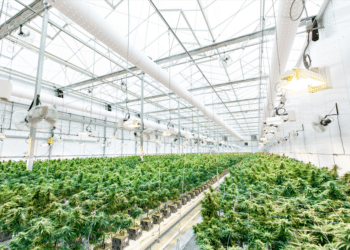
A well-designed facility should support logical material flow, effective sanitation, separation of incompatible activities, and access for equipment inspection and maintenance.
Key considerations include:
Material and personnel flow. Raw biomass, intermediate extracts, packaging materials, and finished products should move through the facility in ways that minimize cross-contamination. Personnel movement, gowning practices, and controlled access should reflect the risks associated with each area.
Cleanable surfaces and equipment. Product-contact surfaces should be suitable for their intended use and compatible with cleaning and sanitizing procedures. Equipment design should minimize inaccessible areas where residues or microorganisms could accumulate.
Environmental controls. Temperature, humidity, ventilation, and air movement should be appropriate for the materials and operations involved. Requirements will differ between biomass storage, extraction, edible formulation, and finished-product storage.
Utilities and drainage. Water quality, wastewater management, compressed air where it contacts product, and drainage design should be assessed according to their potential effect on product safety.
Equipment qualification and maintenance. Instruments used for safety-critical measurements should be appropriately calibrated. Preventive maintenance, documented repairs, and change control help ensure that equipment continues to operate as intended.
Facility design should also account for applicable fire, electrical, pressure-system, and other engineering requirements. These are not substitutes for food safety controls, but they are essential to a safe and reliable manufacturing operation.
The FDA’s CGMP framework addresses plant design, equipment, sanitation, personnel practices, and production controls—areas that provide an important foundation for a functional HACCP or preventive-controls program.
FDA
5. HACCP vs. GMP: What Is the Difference?
HACCP and good manufacturing practices (GMPs) are complementary systems, not interchangeable terms.
| System | Primary purpose | Practical application |
| GMP / CGMP | Establish consistent baseline manufacturing and hygiene practices | Facility sanitation, personnel hygiene, equipment maintenance, and controlled production |
| HACCP | Identify significant hazards and establish controls at relevant steps | Hazard analysis, critical limits, monitoring, corrective actions, and verification |
| Preventive controls | Apply risk-based controls under the applicable FSMA framework | Process, sanitation, allergen, supply-chain, and other necessary controls |
| Product testing | Verify selected product characteristics or hazards | Microbial, chemical, contaminant, potency, or other appropriate analyses |
| Quality management system | Coordinate procedures, records, responsibilities, and continuous improvement | Document control, investigations, change management, audits, and training |
The distinction is particularly important in the United States, where FDA-regulated human food facilities covered by 21 CFR Part 117 may be required to implement hazard analysis and risk-based preventive controls rather than a traditional HACCP plan.
FDA
+1
For cannabis manufacturers, the appropriate framework depends on the facility’s regulatory status and product category. State cannabis GMP requirements, federal food CGMP requirements, dietary supplement CGMPs, and other applicable rules should not be treated as identical.
A facility should determine which requirements apply before selecting its compliance framework.
6. A Practical HACCP Readiness Checklist for Cannabis Manufacturers
Companies do not need to wait for a new regulation to improve their food safety systems. A structured readiness assessment can reveal weaknesses in procedures, facility design, and process control.
Facility readiness assessment
Use this checklist to identify areas that require review. It is not a substitute for a formal hazard analysis or regulatory assessment.
Assessment progress
0 of 12
Confirm applicable federal, state, and local requirements
Map production steps from receiving through product release
Document biological, chemical, and physical hazards
Qualify suppliers and define incoming material specifications
Review sanitation, cleaning validation, and pest control
Identify critical control points or other necessary preventive controls
Define monitoring limits, responsibilities, and recordkeeping
Establish corrective actions and product-hold procedures
Review laboratory testing and analytical verification
Evaluate facility layout, equipment design, and maintenance
Confirm employee training and designated food safety responsibilities
Review traceability, complaint handling, and recall procedures
Copy checklist
The next step is to assign ownership. Quality personnel may lead the hazard analysis, but engineering, operations, sanitation, procurement, and facility management should contribute where their decisions affect product safety.
Facilities should also establish a process for reviewing the hazard analysis whenever a significant change occurs. New extraction equipment, a different solvent, a new ingredient supplier, a revised formulation, a change in packaging, or a new production line may introduce hazards that existing procedures do not adequately address.
Documentation must reflect actual operations. A procedure that exists on paper but is not followed consistently provides little protection.
7. What Could Drive Greater HACCP Adoption?
Even without a single nationwide HACCP mandate for all cannabis businesses, several factors support stronger food safety systems.
Expansion into consumer packaged goods. As manufacturers develop more complex products, they must manage formulation, shelf life, packaging, and distribution risks alongside extract quality.
Retailer and business-to-business expectations. Buyers, manufacturing partners, and distributors may request documented food safety programs, supplier qualification records, audit results, and evidence of consistent production controls.
Regulatory scrutiny. Facilities that manufacture products subject to food safety rules need systems that can demonstrate compliance. State cannabis regulators may impose additional requirements independent of federal food regulations.
Product recalls and reputational risk. Contamination, inaccurate labeling, and inconsistent manufacturing can trigger recalls, commercial losses, and damage to consumer confidence. A risk-based preventive system can help identify problems earlier and support traceability when an issue occurs.
New product categories. Beverages, functional foods, supplements, cosmetics, and topical products can fall under different regulatory frameworks. Expanding into a new category requires a fresh review of applicable requirements rather than assuming the existing facility’s compliance program covers every product.
These pressures do not establish that a universal cannabis HACCP rule is imminent. They do, however, give manufacturers a practical reason to strengthen food safety controls before a customer, regulator, or product incident exposes a weakness.
Conclusion: Build Food Safety Into the Process Now
HACCP is an established approach to identifying and controlling food safety hazards, but the legal question for cannabis manufacturers is more nuanced than whether the entire industry will soon be required to adopt it.
In the United States, applicable federal food regulations already require CGMPs and, for covered facilities without an exemption, hazard analysis and risk-based preventive controls. State cannabis requirements can impose additional obligations. Product legality, particularly for THC- and CBD-containing foods and dietary supplements, remains a separate issue that a food safety plan cannot resolve.
For extraction operators, the most effective response is to evaluate the applicable regulatory framework, map production hazards, strengthen prerequisite programs, and document controls that are appropriate to each product and process.
The objective should not be to produce a HACCP manual simply to satisfy a future requirement. It should be to establish a manufacturing system that consistently protects product integrity, supports traceability, and demonstrates that foreseeable hazards are being managed.
For cannabis manufacturers, food safety readiness is best treated as an operational capability—not a last-minute compliance exercise.