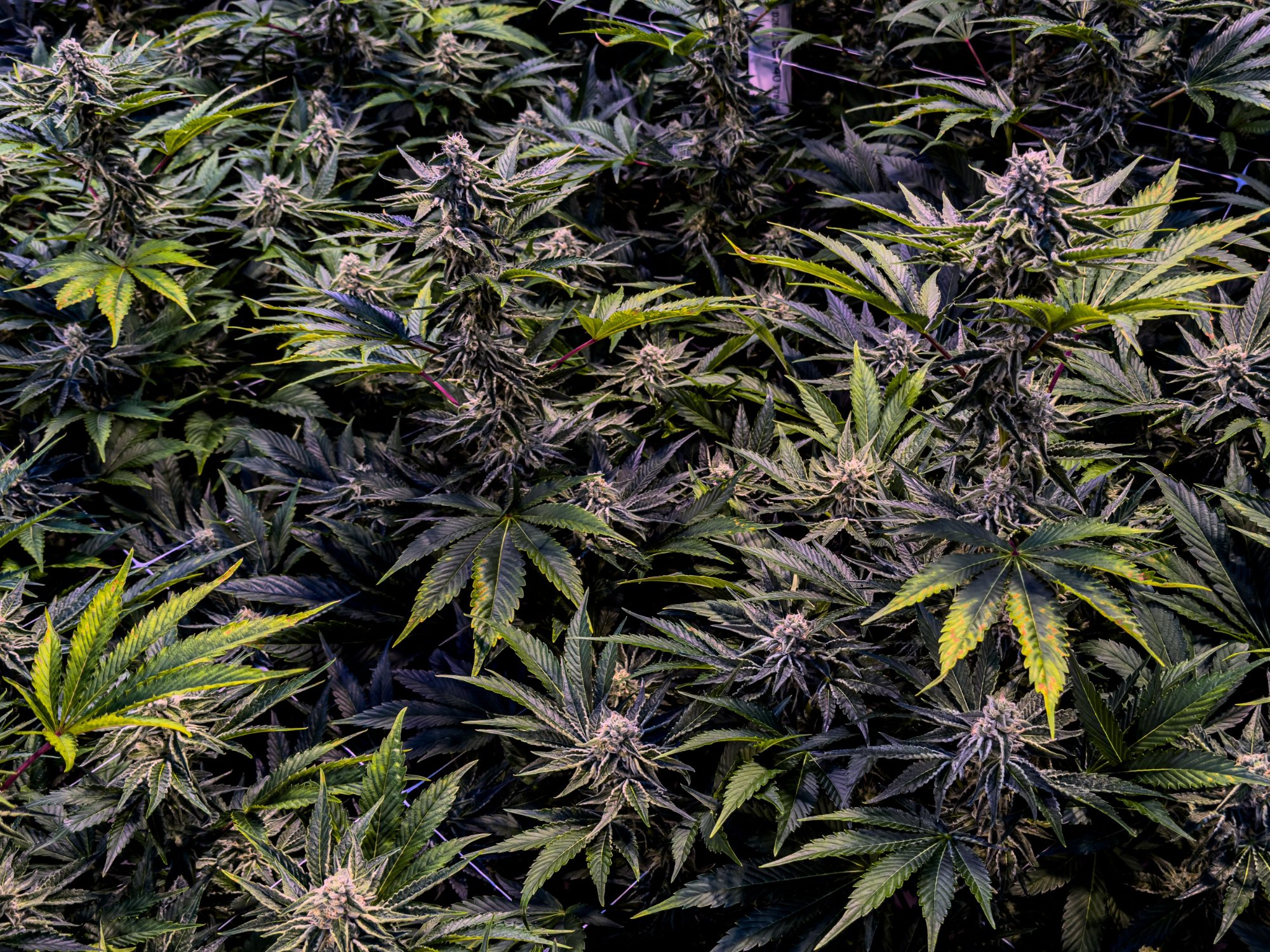
Executive Summary: No responsible article can give you one price for a GMP-ready extraction facility, because the number depends on solvent, scale, jurisdiction, building condition and the standard you intend to be audited against. What can be said is where the money goes and where budgets tend to fail. Over the next several years, the operators who plan capital well will treat compliance, utilities, documentation and validation as core construction scope, build in phases, and design to a food or supplement-grade standard even where no federal extraction-specific rule exists. This piece sets out nine trends shaping facility costs, a planning framework, and the questions worth putting to your team before committing funds.
Extraction has matured from a equipment-first business into a facility-first one. A few years ago, a spec sheet for a extractor and a leased warehouse could pass for a business plan. Today, buyers, insurers, lenders, state regulators and retail partners all want evidence that product is made in a controlled environment, under written procedures, with records that stand up to questions. The building is now part of the product.
That shift has made capital planning harder. Costs that used to sit in the margins, such as hazardous-area electrical work, air handling, cleanable finishes, laboratory space, validation labor and document control, now sit in the middle of the budget. Operators ask the same question again and again, and rarely get a straight answer: how much does it actually cost to build a GMP-ready extraction facility? The answer is a structure for finding your own number, and the trends below show how that structure is changing.
First, What “GMP-Ready” Actually Means
Before costing anything, define the target. “GMP-ready” is used loosely, and the looseness is expensive. There is no single federal good manufacturing practice rule written specifically for cannabis or hemp extraction. Operators typically borrow from adjacent frameworks: 21 CFR Part 111 for dietary supplements, 21 CFR Part 117 for human food, and in some cases pharmaceutical-style expectations where a customer demands them. State cannabis programs add their own licensing, testing, tracking and facility requirements, and these vary widely. The federal treatment of hemp-derived ingredients in food and supplements remains unsettled, and any rule changes or rescheduling discussions that are proposed should be treated as proposals until they are final.
In practice, “ready” means three things: the building and equipment can be kept clean and controlled, the process is documented and repeatable, and you can prove both with records. The cost of the facility follows from how seriously you commit to each of those.
A Roadmap for Facility Development and Capital Planning
Whatever the final number, spending follows a sequence. Operators who skip stages usually pay for them later in change orders, re-inspections or idle equipment.
- Define the product and the standard. Decide what you will make, for whom, and which quality framework your customers and regulators expect. This sets the finish level, the lab scope and the documentation burden.
- Select the process and solvent. Ethanol, hydrocarbon, CO2 and solventless routes carry different code, electrical, ventilation and utility requirements. Solvent choice drives more of the building budget than most first-time builders expect.
- Screen sites against code and utilities. Zoning, fire code, occupancy classification, power capacity, water, drainage and exhaust paths decide whether a building is viable before any design fee is spent.
- Engage the authority having jurisdiction early. Fire marshals and building officials interpret hazardous-process rules locally. Their input shapes the design.
- Design with process flow, not floor area. Material, personnel, waste and air movement should be laid out to prevent mix-ups and cross-contamination.
- Procure with lead times in view. Extraction systems, solvent recovery, explosion-rated components and air handlers can have long lead times that control the schedule.
- Build, commission and qualify. Installation, operational and performance qualification, calibration and cleaning validation take real time and should be scheduled and budgeted as scope.
- Ramp under a working quality system. Procedures, training and record systems should be live before the first commercial batch, not assembled after it.
1. The Budget Conversation Moves From Equipment Price to Total Cost of Compliance
What is driving it
Equipment is the most visible line item and often not the largest. Buyers who negotiate hard on an extractor and then discover the building needs hazardous-area electrical, upgraded make-up air, and a rebuilt drainage plan learn that the machine was the easy part.
What it means for operators
- Build the budget by system, not by purchase order: structure, mechanical, electrical, process, laboratory, quality systems and commissioning.
- Track soft costs separately: design fees, permitting, code consulting, legal, insurance and validation labor.
- Include working capital for the ramp period, when you are paying for a facility that is not yet producing saleable product.
- Carry a contingency sized to your unknowns. A ground-up build on a clean site and a conversion of an old building should not carry the same cushion.
2. Hazardous-Area Design Becomes a Site-Selection Filter
What is driving it
Flammable solvents bring fire code and electrical classification requirements, commonly framed around standards such as NFPA 45, NFPA 70 and the International Fire Code, as adopted locally. Jurisdictions differ in how strictly they apply them, and inspectors have grown more informed as extraction has become more visible.
What it means for operators
- Treat the building as part of the safety system. Control areas, explosion-rated rooms, gas detection, ventilation rates and emergency shutdowns need design review before lease signing.
- Ask whether the space can legally hold the quantity of solvent you plan to store and use, not just the quantity on day one.
- Expect classified-area electrical and ventilation to be among the more sensitive cost lines, and get them priced by people who have built them.
- Understand that a cheap lease can become an expensive building if the occupancy classification does not fit.
3. Phased Build-Outs Replace the Single Large Bet
What is driving it
Market conditions, financing and regulation are all moving targets. Many operators now prefer to commit infrastructure capital in stages while keeping the design capable of expansion. A facility sized for a business plan that never materializes is a costly mistake. So is one that cannot grow without shutting down.
What it means for operators
- Install the parts that are hard to retrofit first: utilities capacity, structure, drainage, slab, primary air handling and classified-area infrastructure.
- Leave room, and rough-in, for additional extraction lines, a second solvent recovery train, or expanded storage.
- Defer what is easy to add later, such as additional packaging or secondary processing, and be honest about which items truly are easy.
- Set stage gates tied to evidence, such as validated output, customer commitments and audit results, rather than to calendar dates.
4. Quality Systems Are Treated as Capital, Not Overhead
What is driving it
A building that is physically sound but runs on informal practice will not hold up to an audit or a recall. Customers increasingly ask for written specifications, batch records, deviation handling, change control and supplier qualification before they place an order, and the scrutiny usually arrives before revenue does.
What it means for operators
- Budget for a quality management system as a project deliverable: standard operating procedures, batch records, training records, document control and a corrective action process.
- Decide early whether records will be paper or electronic, and choose a system that can scale. Retrofitting records across a running plant is disruptive.
- Hire or contract quality leadership before commissioning, not after the first complaint.
- Remember that hazard analysis and preventive controls thinking, familiar from food manufacturing, applies directly to solvent handling, residual solvents and cross-contact.
5. Food and Supplement Standards Become the Working Benchmark
What is driving it
Without a finalized extraction-specific federal rule, operators are looking to the closest established frameworks. Part 111 and Part 117 provide a recognizable structure for personnel, plant and grounds, equipment, production controls, laboratory operations and records. Many buyers already audit against them.
What it means for operators
- Design finishes and flows for cleanability: smooth, nonporous surfaces, sealed floors with proper slope and drainage, sanitary transitions and controlled access.
- Separate raw material receiving, processing, finished goods and waste, and control how people and materials move between them.
- Plan handwashing, gowning, restroom and break-room placement as part of the layout, not as an afterthought.
- Be careful with claims. Building to a food or supplement standard does not by itself settle whether a given product can lawfully be sold into a given channel. Get regulatory advice on the product, separate from the facility.
6. The In-House Laboratory Decision Gets Sharper
What is driving it
Testing shapes release decisions, customer confidence and state compliance. Third-party labs offer independence and avoid capital outlay, but turnaround and cost can constrain production. In-house labs give speed and process insight but add instruments, method validation, trained analysts and their own quality requirements.
What it means for operators
- Separate in-process testing, which supports production decisions, from release and compliance testing, which may require independent or accredited labs depending on your market.
- If you build a lab, budget for method validation, reference standards, calibration, data integrity controls and lab-specific ventilation and utilities.
- Look at standards such as ISO/IEC 17025 as a guide to lab competence, even if you do not pursue accreditation.
- Do not buy instruments before you know which methods you will run and who will run them.
7. Utilities and Solvent Recovery Drive Long-Term Operating Cost
What is driving it
Extraction is energy and utility intensive. Chilled water, heating, vacuum, compressed gas, power and exhaust all carry capital cost on the way in and operating cost for years. Energy prices and sustainability expectations from customers and communities are pushing operators to look harder at efficiency.
What it means for operators
- Evaluate options on lifecycle cost, not purchase price. A more efficient chiller or a better solvent recovery system may pay back through lower operating cost, though you should verify that with your own load calculations.
- Size utilities for planned expansion, since upgrading electrical service or water supply later can be slow and disruptive.
- Track solvent losses, waste streams and disposal costs as management metrics from the first day of operation.
- Check utility incentive programs and local discharge rules during site selection, not after construction.
8. Commissioning, Qualification and Vendor Management Take More of the Schedule
What is driving it
A common budget failure is treating the end of construction as the end of the project. Equipment has to be installed correctly, shown to operate as intended and shown to produce acceptable product consistently. Long lead times, vendor delays and punch-list items often push this phase later than planned.
What it means for operators
- Write user requirements before issuing purchase orders, so you can verify the equipment against something specific.
- Plan installation, operational and performance qualification as defined work with owners, protocols and acceptance criteria.
- Qualify critical vendors and require documentation: materials of construction, calibration certificates, drawings, manuals and safety documentation.
- Schedule cleaning validation and sanitation verification, especially if you will run multiple products or botanical inputs.
- Keep a realistic cushion between mechanical completion and first commercial batch.
9. Lenders, Insurers and Acquirers Start Underwriting Facility Readiness
What is driving it
As the sector consolidates and financing becomes more selective, outside parties look at facilities the way they look at any industrial asset: Is it permitted, insurable, documented and defensible? Gaps in these areas reduce valuation or stall deals.
What it means for operators
- Keep a clean permitting and inspection file: approvals, certificates of occupancy, fire department correspondence and as-built drawings.
- Expect insurers to ask about solvent handling, detection and suppression, maintenance and training records.
- Maintain a current equipment register, maintenance history and calibration log. These are the first things a diligence team requests.
- Treat audit findings and corrective actions as evidence of a working system, provided they are closed out properly.
A Planning Framework: Where the Money Goes and When It Gets Decided
The table below organizes the main cost categories by what drives them and when you lock them in. It deliberately contains no dollar figures, because they swing too widely with region, scale and building condition to be useful in print. Get local quotes on every line.
| Cost category | Main drivers | When it is decided |
|---|---|---|
| Building and site | Purchase or lease terms, condition, zoning, occupancy classification, structural needs | Site selection |
| Code, design and permitting | Solvent type, quantities, local authority requirements, design complexity | Concept and design |
| Mechanical and HVAC | Air change rates, classified areas, humidity and temperature control, exhaust | Design |
| Electrical and controls | Hazardous-area ratings, power demand, gas detection, emergency systems | Design and procurement |
| Process equipment | Throughput, solvent, automation level, recovery capacity | Process selection |
| Finishes and sanitary design | Floors, walls, drains, doors, personnel and material flow | Design |
| Laboratory | Methods, instruments, in-house versus outsourced testing | Quality planning |
| Quality systems and records | Standard chosen, paper versus electronic, staffing | Before commissioning |
| Commissioning and validation | Equipment complexity, protocol depth, vendor performance | Procurement and build |
| Working capital and contingency | Ramp duration, unknowns, schedule risk | Throughout |
Three tests to apply to any budget
- The retrofit test. For each line, ask how costly it would be to add later. Spend first on what is hardest to change.
- The audit test. Ask whether an outside auditor, inspector or buyer could verify the control from records and observation. If not, the spend is incomplete.
- The lifecycle test. Compare options on the cost of owning them, including energy, maintenance, downtime, consumables and compliance labor.
Where budgets commonly break
- Choosing a building before confirming it can legally host the process.
- Underestimating lead times for classified-area and process equipment.
- Leaving quality staffing and documentation until after construction.
- Running out of working capital between mechanical completion and first sale.
- Assuming that a regulatory change which has been proposed will arrive on a particular date, and sizing the project around it.
Questions Industry Leaders Should Be Asking Now
- Which standard are we building to, and who will audit us against it?
- Has the authority having jurisdiction reviewed our solvent quantities, storage and process layout in writing?
- What can we not afford to retrofit, and have we funded it in phase one?
- Do our utilities have headroom for the second and third extraction lines?
- Who owns quality, and are they involved in design, not just operations?
- Which tests do we run in-house, which do we outsource, and why?
- How long between mechanical completion and our first releasable batch, and have we funded that gap?
- If a customer, lender or acquirer asked for our facility file tomorrow, what would be missing?
- What happens to the plan if a pending rule change does not happen, or happens in a different form?
- Are we measuring solvent loss, energy use and waste from day one?
Conclusion: Build for the Audit You Have Not Had Yet
The cost of a GMP-ready extraction facility is not a figure to look up. It is the sum of decisions about solvent, site, standards, systems and sequence, and those decisions compound. The operators best placed over the next several years will be those who fund the hard-to-change infrastructure first, bring quality into the design room, stage the rest against evidence, and keep records that let outsiders trust what they cannot see.
None of this removes uncertainty. Federal policy on cannabis and hemp is still moving, state rules differ, and equipment and construction markets shift. A facility designed around a recognized food or supplement-grade discipline, with room to grow and a paper trail to match, is resilient to most of those changes. Regulatory readiness is not a one-time project. It is an ongoing management discipline.
Visit: nextbldg.com