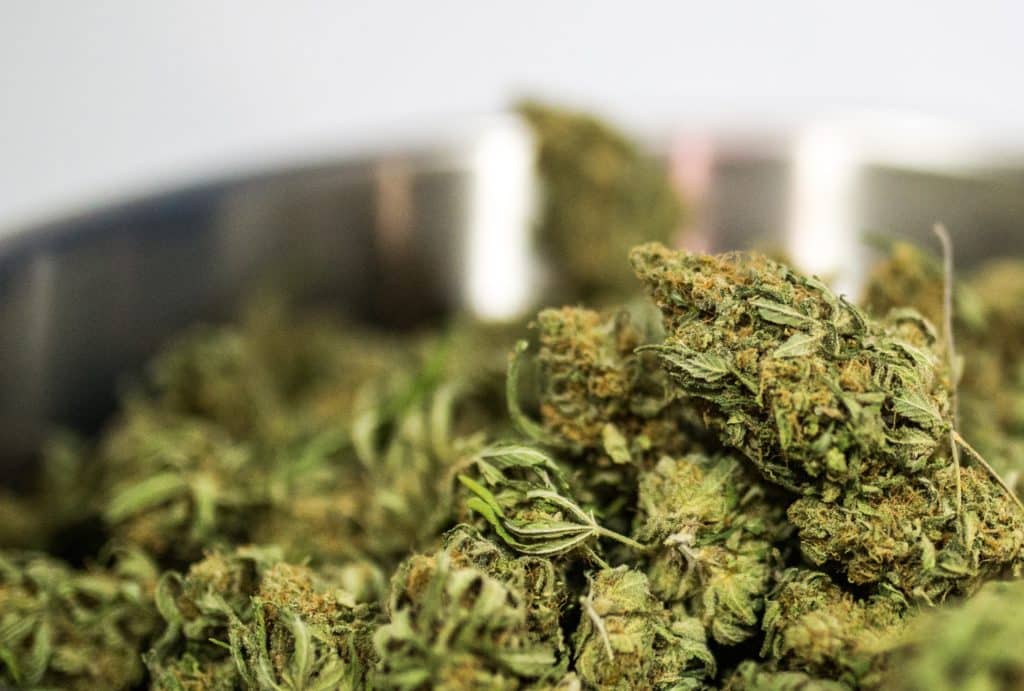
Research evaluates technology for decarboxylating cannabis prior to extraction.
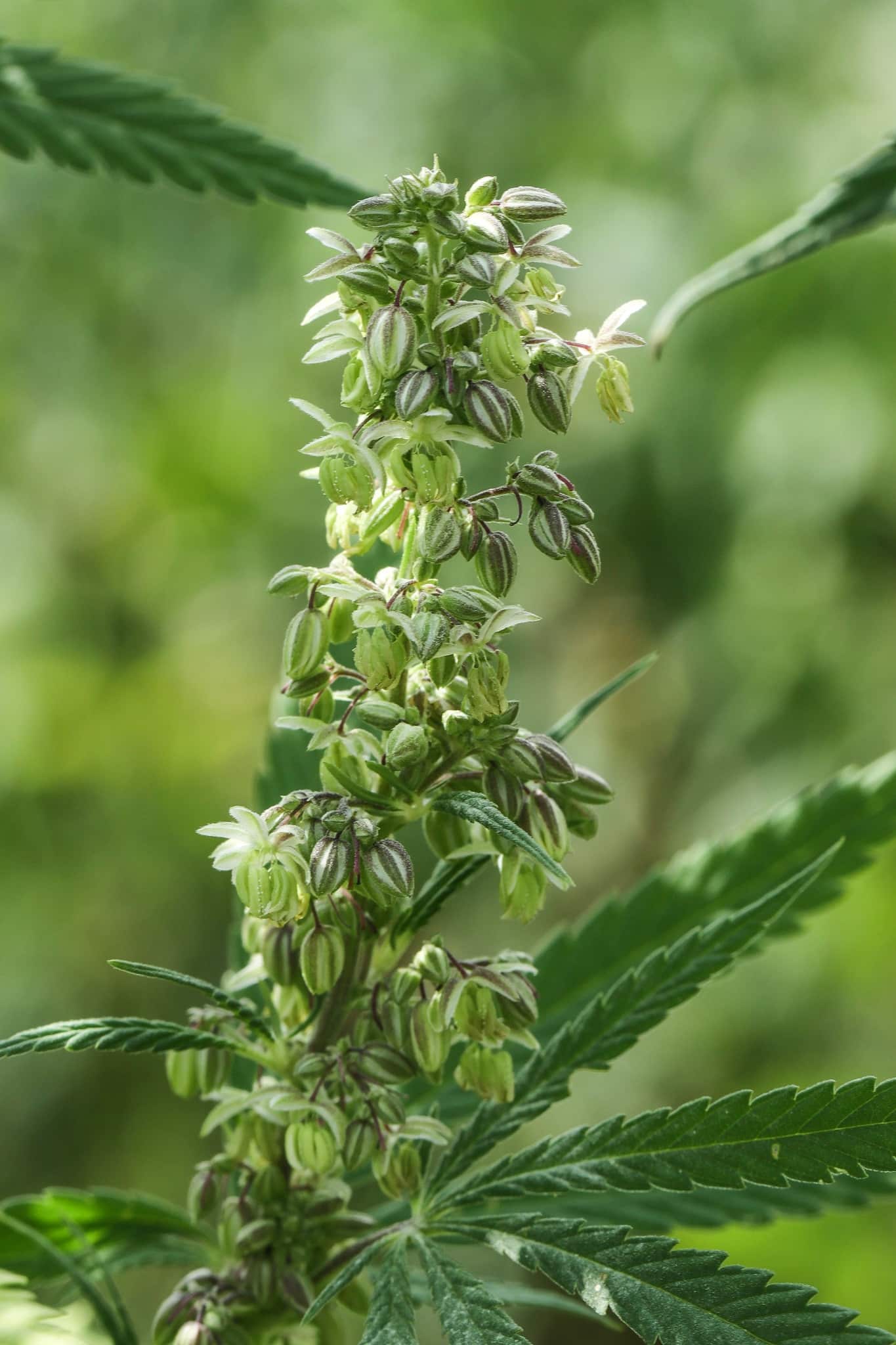
The reappearance of cannabis on the global stage has created a flurry of amendments to current legislation, enabling researchers to finally access the medicinal phytochemicals found in cannabis cultivars.
There are 568 phytochemicals reported to be in cannabis, roughly 120 of which are phytocannabinoids. [1,2] Cannabinoids can be neutral or acidic, the latter including Δ9-tetrahydrocannabinolic acid (Δ9-THCA), cannabidiolic acid (CBDA), and cannabigerolic acid (CBGA). For an acidic cannabinoid to be converted into it’s neutral, active form, it needs to be decarboxylated, a step typically performed via heating at a defined temperature.
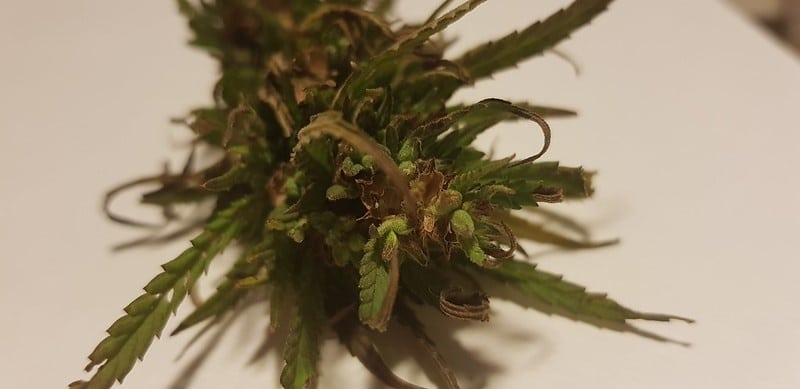
Image Credit: “#Cannabis from the #Tianeti (Georgia region)” by itech.com.ge is licensed under CC BY 2.0
Various concentrations of Δ9-THC and CBD are present in the marketplace, exposing medical users to a lack of standardized products, which, in turn, can lead to diverse experiences. Comprehensive research has examined the extraction protocols for targeting phytocannabinoids and other molecules. Variables include duration of extraction, temperature, biomass particle size, and use of solvent.
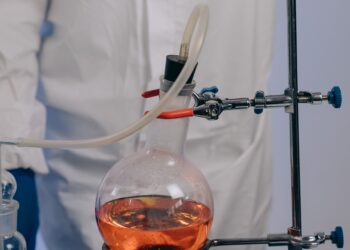
The activation of extractions through decarboxylation of phytocannabinoids is challenging. In 2019, Lewis-Bakker et al. investigated three specific cannabis cultivars and compared four chemical extraction methods — supercritical fluid extraction (SFE), Soxhlet, ultrasound-assisted supercritical fluid (UAE), and microwave assisted extractions (MAE).
The authors found that while SFE and UAE extraction could effectively remove acidic cannabinoids from the biomass, Soxhlet and MAE enabled the cannabinoids to be converted to their neutral, active forms. For example, one UAE extraction of a cultivar using ethanol produced approximately 28% THCA and about 4% THC. After heating using microwave radiation to 150°C for 10 minutes, this chemistry transformed to approximately 5% THCA and 33% THC. The percent yield of cannabinoids after heating more than doubled (from 30% to 76%). The results of the before and after decarboxylation were even more dramatic for the Soxhlet extraction of the same cultivar, where THCA content went from approximately 9% THCA and 8% THC before heating, to undetectable levels of THCA and 32% THC. Yields again more than doubled (31% to 83%).
These experiments demonstrated that MAE can facilitate the production of consistent decarboxylated cannabis extracts. MAE provided the ability to control temperature and decrease extraction time. [3] The ability of MAE to decarboxylate cannabinoids has also been demonstrated in a different study. [4] It should be noted that these were lab-scale experiments. For example, the SFE was performed in a 10-mL vessel. The Soxhlet extraction used 400 mL of ethanol. [3] Thus, true industrial scalability needs to be assessed.
Header Image Credit: Creative Commons, “Cannabis – Male Flower” by Sauntering Photographer is licensed under CC BY-ND 2.0
References
- Elsohly, M. et al. “Phytochemistry of Cannabis sativa L.” Progress in the Chemistry of Organic Natural Products Phytocannabinoids, 2017, pp. 1–36. [journal impact factor = N/A; cited by 44]
- Hanuš, L. et al. “Phytocannabinoids: A Unified Critical Inventory.” Natural Product Reports, vol. 33, no. 12, 2016, pp. 1357–1392. [journal impact factor = 11.406; cited by 83]
- Lewis-Bakker M.M., et al. “Extractions of Medical Cannabis Cultivars and the Role of Decarboxylation for Optimal Receptor Responses.” Cannabis and Cannabinoid Research, vol. 4, no. 3, 2019, pp. 1–12. [journal impact factor = N/A; cited by 0]
- De Vita, D. et al.“Comparison of Different Methods for the Extraction of Cannabinoids from Cannabis.” Natural Product Research, 2019, pp. 1-7. [journal impact factor = 1.999; cited by 1]