
Finding the best ways to reuse and tackle solid and liquid food waste is crucial to stem environmental pollution problems. In the last decades, food industries have focused their research on isolating valuable products from plant post-processing residues. A big effort has addressed implementing bioconversion of leftover materials into useful compounds, keeping the idea of a circular economy as a sustainable model for economic growth.
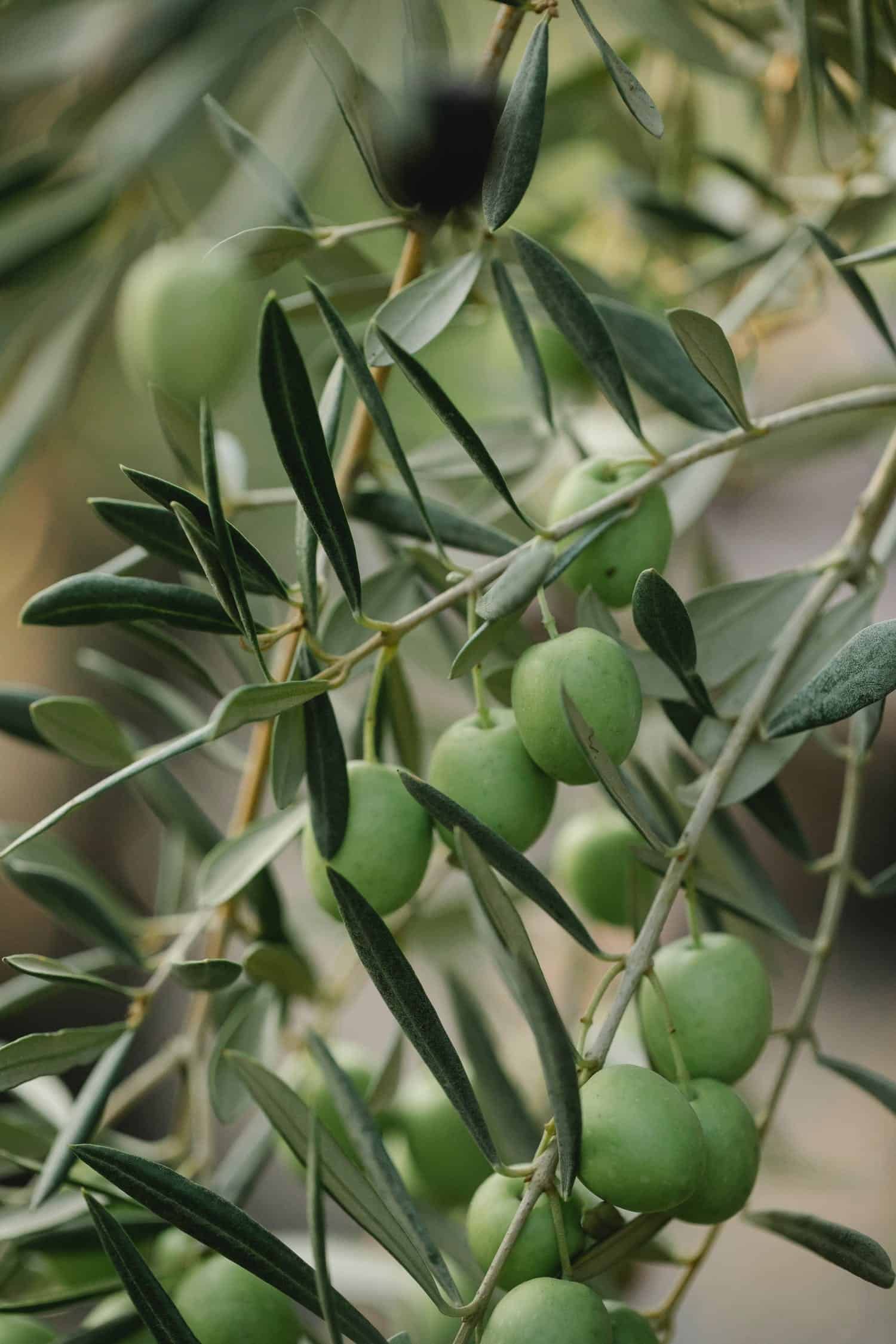
Every year, the olive oil industry produces large quantities of waste materials which still contain many bioactive and beneficial molecules: their recovery and isolation from leftovers has inspired evaluation of olive oil by-products as precious sources of natural antioxidants and phytochemicals. [1] The major disposal problems from olive oil processing are olive-mill wastewater ( “alpechin,” an aqueous liquor), olive oil cake (pulp and stones), and a by-product called “alperujo” (in Spain), generated from producing olive oil with a two-phase extraction procedure. This last residue, a sludge, can be filtered from olive remnants (i.e., skin, seeds, and pulp) and used as fuel, but it has been shown to contain high amounts of valuable chemicals that can be recovered using specialized processing technologies. Spain produces up to six million tons of alperujo per year.
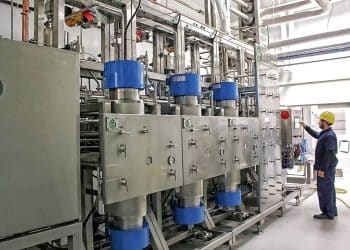
Polyphenolic compounds, squalene, tocopherol, mannitol, pectins, oligosaccharides, and polymerin are some of the important phytochemicals that can be isolated from olive products and processing residues. Valuable triterpenes are also present, including erythrodiol and oleanolic acid. The purification technique varies depending on the nature of the extracted compound, with preference for using supercritical carbon dioxide (CO2) extraction and molecular distillation. Traps can be used for volatile compounds.
The antioxidant fraction of olive fruits is constituted of polyphenolic compounds which play beneficial roles in our diets, protecting our bodies from free radicals and active oxygen. Moreover, olive-derived phenols prevent food and cosmetic deterioration by inhibiting lipid oxidation. Tyrosol, hydroxytyrosol, its conjugate forms (e.g., oleuropein), and lignans (e.g., pinoresinol) are the major phenolic constituents of virgin olive oil, varying in qualitative and quantitative content depending on olive variety. Hydroxytyrosol, in particular, demonstrates “remarkable pharmacological and antioxidant activity.” [1] That said, most of these compounds remain in the aqueous phase (i.e., alperujo waste) during mechanical processing for oil.
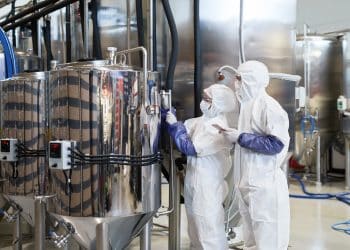
Different extraction methods have been proposed to extract phenolic compounds from olives and olive waste, from multiple liquid-liquid extractions exploiting different compound solubilities in two immiscible phases, to supercritical fluid extraction in counter-current mode. The purification system patented by Fernández-Bolanos et al [2] is designed for industrial application; it is capable of isolating hydroxytyrosol from any olive product. The isolation of this phenolic compound at 50% purity is achieved through ion-exchange resin followed by water wash. A second step involving a XAD-type adsorbent non-ionic resin followed by alcohol/water mixture (30-33%) wash can deliver hydroxytyrosol fractions of 99.6% purity once the polar organic solvent is evaporated. [1]
The full exploitation of olive oil and olive leftovers is still in need of research, and many scientific groups aim to isolate compounds to facilitate health-promoting properties, functional foods, and cosmetic applications.
References:
[1] Fernández-Bolaños J, et al. Potential use of olive by-products: Extraction of interesting organic compounds from olive oil waste. Grasas y Aceites. 2006;57(1):95-106. DOI:10.3989/gya.2006.v57.i1.25 [Journal impact factor = 1.311; Times Cited = 74 (Semantic Scholar)]
[2] Fernández-Bolaños J, et al, inventors; Consejo Superior de Investigaciones Cientificas CSIC, assignee. Method for obtaining purified hydroxytyrosol from products and by-products derived from the olive tree. U.S. Patent No.20040102657A1. May 27, 2005.
Image: Gary Barnes, Pexels