• Advertise
  • Contact Us
  • Write For Us
  • Our Team
Extraction Magazine
No Result
View All Result
  • Botanical Extraction
    • Cannabinoids
    • Psychedelics
    • Nutraceutical
    • Product Refinement
  • Industry News
    • Business
    • Sustainability
    • Safety & Compliance
    • Partners
  • Extraction Technology
    • Equipment
    • Methods
    • Solvents
    • DIY Extraction
    • Analytical Techniques
  • Medical Research
  • Glossary
  • Business Directory
No Result
View All Result
Extraction Magazine
No Result
View All Result
Home Industry News

DEA Rule Threatens CBD Extraction & Manufacturing

Derek Johnson by Derek Johnson
January 22, 2021
in Industry News
DEA Rule Threatens CBD Extraction & Manufacturing

In August of 2020, the Drug Enforcement Administration (DEA) released a rule intended to clarify the legal classification of cannabis extracts. However, the rule has resulted in confusion and a possible legal conundrum for extractors working with cannabidiol (CBD) oil extracted from hemp.

READ ALSO

What Is Winterization? Lessons From Food and Pharma for Extraction Operators

FECO vs RSO: What Extraction Operators Can Learn From Food and Supplement Manufacturing

The rule clarifies Substance Code Number 7350. Code 7350 deals with “marihuana extract” governed by the Controlled Substances Act (CSA) and containing more than 0.3% delta-9 tetrahydrocannabinol (THC). If an extract or any other derivative contains less than 0.3% THC, then it is not subject to the regulations of the CSA and is considered to be derived from hemp.

The 0.3% rule is widely known in the industry and is interpreted by extractors to mean that their final products must be below the 0.3% threshold. However, the new DEA rule, intended to help clarify the legal status of extracts, causes some confusion. It can be interpreted to mean that an extract, no matter what stage of processing, is considered illegal cannabis if it contains more than 0.3% THC, regardless of if that extract ends up below this threshold after processing.

The problem with this interpretation is that it exposes many extractors to criminal liability. Many operations that produce CBD extracts below the 0.3% THC threshold work with unfinished extract material that often exceeds 0.3% THC until remediated or formulated into downstream products. Under the new DEA rule, during this period of elevated THC content, extractors would technically be in violation of the CSA and exposed to criminal prosecution and asset forfeiture.

Fortunately, the Federal Farm Bill covers extracts and derivatives and allows for their sale and possession. Although it doesn’t explicitly cover the extraction process, legal professionals and scholars may argue that the intent of Congress was to not only protect the sale and possession of hemp extracts but their processing as well.

Regardless of if this is the correct interpretation, it is important for extractors to understand they may be exposed to liabilities during the extraction process and legal counsel should be readily available.

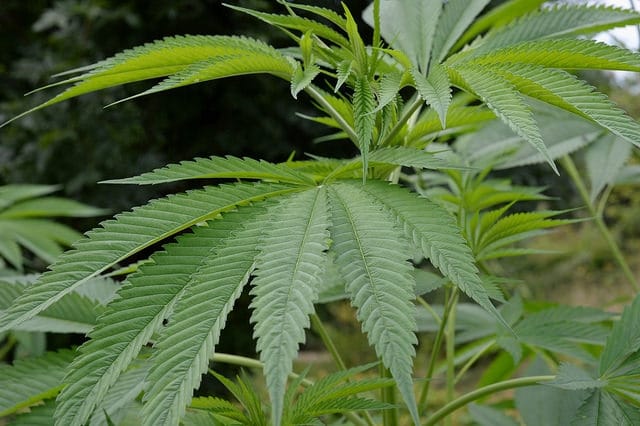
Image Source: https://pixy.org/1143297/, CC BY-NC-ND 4.0

Related Posts

Botanical Extraction

What Is Winterization? Lessons From Food and Pharma for Extraction Operators

November 21, 2026
Botanical Extraction

FECO vs RSO: What Extraction Operators Can Learn From Food and Supplement Manufacturing

November 19, 2026
Botanical Extraction

Solventless Extraction Methods Explained: What Food and Supplement Manufacturing Can Teach Operators

November 18, 2026
Botanical Extraction

What Is Full Spectrum Extract? Lessons From Food, Pharma and Supplements for Extraction Operators

November 18, 2026
Botanical Extraction

Live Resin vs Live Sugar vs Live Rosin: What Food and Pharma Quality Systems Teach Extractors

November 16, 2026
Botanical Extraction

Top 10 Plants Used for Hydrosol Production, and the Quality Lessons Each One Teaches

November 15, 2026
Next Post
Sustainable, Intensified Extraction Technology, Chapter 2

Sustainable, Intensified Extraction Technology, Chapter 2

Sitemap

© 2026 Extraction Magazine is the trusted provider of botanical extraction news and the leading media in the ever-changing extraction industry.

No Result
View All Result
  • Industry News
  • Botanical Extraction
  • Medical Research
  • Medical Research
  • Glossary
  • Our Team
  • Write For Us

© 2026 Extraction Magazine is the trusted provider of botanical extraction news and the leading media in the ever-changing extraction industry.