Bees are one of the most important insects in agriculture as pollinators and as producers of honey.
Honey bees are known to pollinate 70-80% of plants on earth. Due to their importance, honey bees health is an ongoing concern as decline in populations continue to occur due to severe diseases. The microbial balance of honey bees is affected by a variety of agricultural, developmental and environmental influences. [1] Bacteria, insecticides, fungi, viruses, and predators are a constant concern for bees populations. [2]
Bees and Extraction
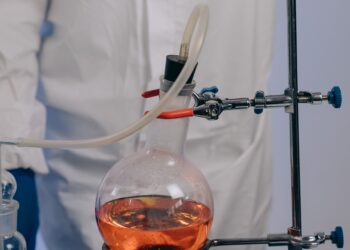
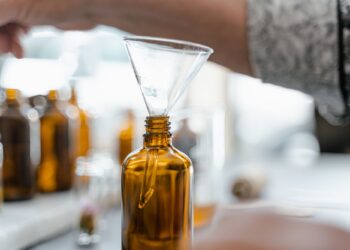
Botanical extraction is the process of extracting active compounds from plants. In recent studies certain plant extracts have proven to be effective against Paenibacillus larvae inducing american foulbrood disease and Ascosphaera apis fungus inducing chalkbrood in young bees. The spores are resistant to heat, cold and chemical agents, making these infections particularly difficult to be faced. Moreover, P. larvae spores are capable of surviving longtime, staying on hive products or equipment and infecting bees colonies even many years later.
Chromolaena odorata and Senna alata extracts can be used as a treatment against american foulbrood disease in bees. C. ordata is a plant containing steroids, triterpenes, flavonoids, and alkaloids. S. alata also contains steroids, flavonoids, and anthrones. These ingredients attribute the plants antimicrobial properties capable of inhibiting P. larvae. [3]
Conclusion
The studied effects of these extracts show them as a favorable option to replace antibiotics and treat honey bee diseases. Both C. ordata and S. alata have extremely low lethality to honeybees, although the extracts were only tested on adults. Further studies are needed to test the effect of these extracts on larval populations of honey bees and to fully understand how these extracts may affect honey bees immune system. This research is crucial to ensure the survival of honeybees, our most important pollinator.
References:
[1] Hristov P. et al. Factors Associated with Honey Bee Colony Losses: A Mini-Review. Vet Sci. (2020);7(4):166. doi: 10.3390/vetsci7040166. [Journal impact factor = 0.483] [Times cited = 58]
[2] Krutmuang P. et al. The inhibitory action of plant extracts on the mycelial growth of Ascosphaera apis, the causative agent of chalkbrood disease in Honey bee, Toxicology Reports, Volume 9, (2022); 713-719, https://doi.org/10.1016/j.toxrep.2022.03.036. [Journal impact factor = 4.221] [Times cited = 24]
[3] Chaimanee V. et al. Antimicrobial activity of plant extracts against the honeybee pathogens, Paenibacillus larvae and Ascosphaera apis and their topical toxicity to Apis mellifera adults. J Appl Microbiol, (2017), 123: 1160-1167. https://doi.org/10.1111/jam.13579
[Journal impact factor = 4.061] [Times cited = 30]
Image: https://www.pexels.com/photo/close-up-shot-of-bees-on-a-plant-7459846/