Terpenes have moved from a footnote on the lab report to a line item that buyers negotiate over. Brands ask for them by name, formulators want them held within a range, and distillate customers now expect a defined profile rather than a vague promise of aroma. Caryophyllene, usually reported as beta-caryophyllene, is one of the most frequently listed compounds on those reports, which means operators are being asked to explain it, measure it and keep it stable.
That pressure arrives at a time when the industry is still sorting out its quality expectations. Federal and state frameworks differ, and several questions remain open or only proposed. Food, pharmaceutical and dietary supplement manufacturers faced the same problem decades ago with flavor compounds, essential oils and botanical actives, and they built practical habits around them. Those habits transfer well. So the question this article answers is a practical one: what is caryophyllene, and how should an extraction operation specify, test, process and document it so that the number on the certificate holds up?
1. What Caryophyllene Is, and Why It Matters to Operators
Caryophyllene is a sesquiterpene, a 15-carbon terpene, that contributes a spicy, woody, peppery character to the plants that produce it. The form most people mean is beta-caryophyllene. It is a bicyclic molecule with a strained ring structure, which is part of why it reacts the way it does under heat, light and air.
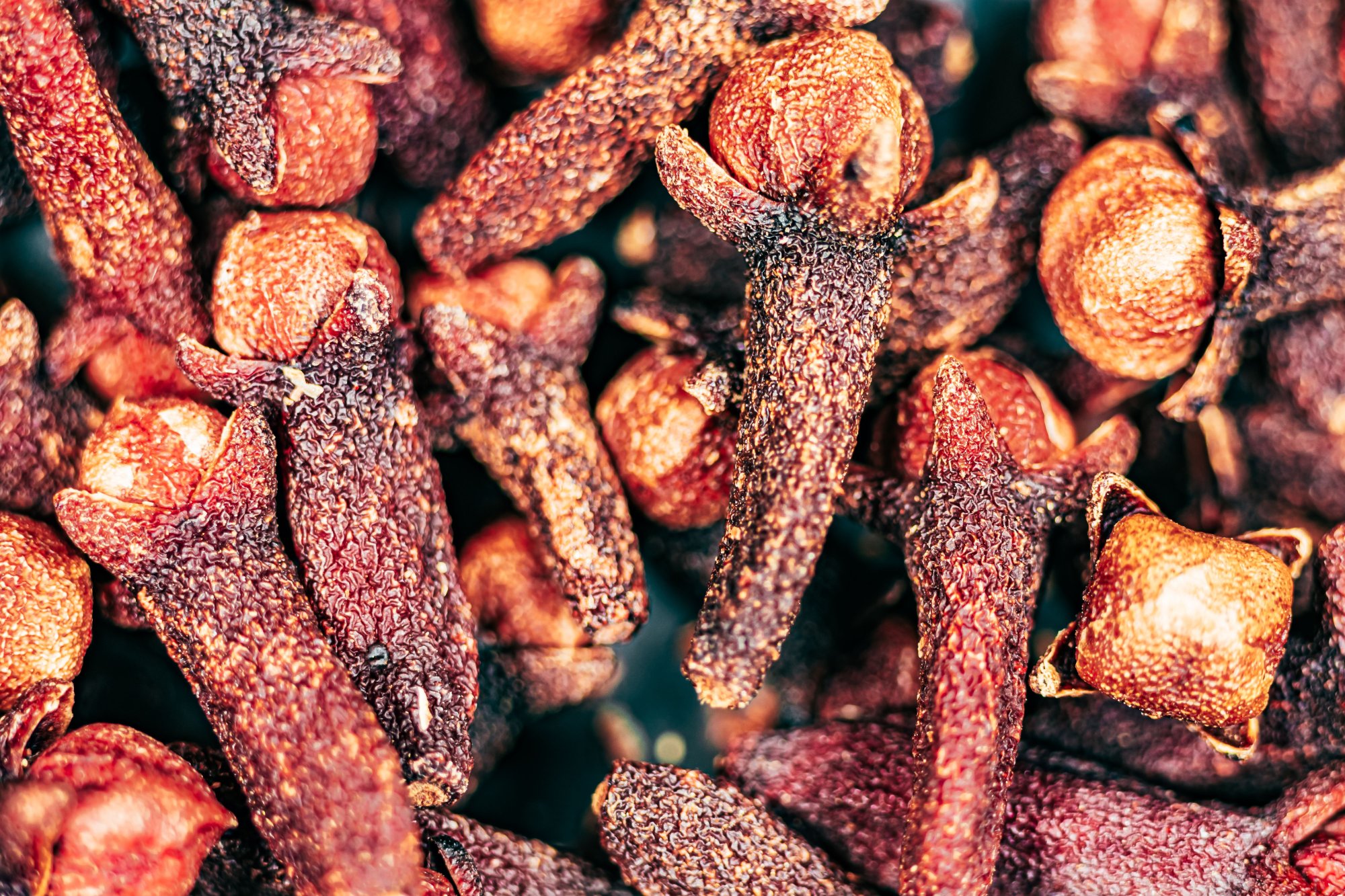
It occurs in black pepper, cloves, hops, rosemary and many other botanicals, as well as in cannabis and hemp. In a cannabis or hemp context it is often among the more abundant terpenes in the profile, though the proportion varies by cultivar, growing conditions, harvest timing and post-harvest handling. Research interest in the compound, including its interaction with the CB2 receptor, is ongoing. This article makes no health claims and does not treat that research as settled. For an operator, the relevant points are commercial and technical.
Why it matters in the plant
- It is a named analyte. Customers specify it on purchase orders and compare it across lots.
- It shapes sensory quality. Loss or degradation changes the aroma and flavor of the finished product.
- It has close relatives. Humulene is an isomer that frequently co-occurs with it, and chromatography has to separate the two reliably.
- It has a known degradation product. Caryophyllene oxide forms through oxidation and is useful as a freshness and handling indicator.
The lesson from mature industries
Flavor and fragrance houses treat every key aroma compound as a defined material with an identity, a purity expectation and a handling protocol. Nobody in that world would accept an unnamed "pepper note" as a specification. Extraction operators should hold caryophyllene to the same standard: name it, define it, and control it.
2. Where It Comes From: Raw Material Variability
Why it matters
You cannot control a terpene at the back end if the front end is unmanaged. Caryophyllene content differs between cultivars and harvests, and drying, curing and storage can shift it before the biomass reaches your facility.
What the mature industry does
The spice and botanical supplement trades work from raw material specifications. Incoming lots are identified, sampled by a defined plan and accepted or rejected against written criteria. Suppliers are qualified rather than assumed. Botanical identity is confirmed, and variability is expected and documented instead of ignored.
How an extraction operator applies it
- Write an incoming biomass specification that includes moisture, visual and sensory checks, contaminant screening required by your state or customers, and, where terpene content drives the product, a terpene panel.
- Use a sampling plan. Pull representative samples from multiple points in a lot, not a single handful from the top of a bag.
- Record harvest and drying details from the grower: date, drying conditions, storage time and temperature, where known.
- Track lot genealogy so a finished-oil result can be traced back to the biomass lots that fed it.
- Qualify growers and suppliers with a questionnaire, documented expectations and periodic review of their results against yours.
3. Why Caryophyllene Behaves Differently in Processing
Why it matters
Caryophyllene is more volatile than the cannabinoids and less volatile than the lightest monoterpenes such as myrcene and pinene. It sits in the middle, which makes it a useful tracer of how hard a process is on the whole terpene fraction. It is also reactive. Heat, oxygen and light can convert it, and the oxidized form, caryophyllene oxide, is a signal that something in the handling chain went wrong.
What the mature industry does
Pharmaceutical development uses the idea of process understanding: identify the steps that can change a critical quality attribute, set ranges for the parameters that affect it, and monitor them. Food processors do the same with heat-sensitive flavor and color components, often through hazard analysis that documents where a quality attribute can be lost.
How an extraction operator applies it
Map your process and mark every step where caryophyllene can be lost or altered.
- Grinding and handling. Heat from milling and long exposure to air strip volatiles. Control particle size, residence time and temperature.
- Extraction. Solvent choice, temperature and pressure affect how much of the terpene fraction is captured. Cold, low-temperature approaches generally preserve more of it, though results depend on the system and should be verified with data.
- Solvent recovery and evaporation. Vacuum level, bath temperature and time under heat are major loss points. Capture and record what leaves in the vapor stream if you intend to reintroduce it.
- Decarboxylation. Heat applied to convert cannabinoids will also drive off or alter terpenes. Document time and temperature for every batch.
- Distillation. Terpenes typically come off in early fractions, which gives you the option of collecting them separately. Fraction cuts should be defined in the batch record.
- Packaging. Headspace, container material and closure all affect oxidation. Consider inert gas flushing and opaque containers where appropriate.
Once you know where the losses occur, you can set parameter ranges and check them against measured results. That is a far stronger position than hoping a gentle process is gentle enough.
4. Measuring It: Methods, Standards and Method Validation
Why it matters
A terpene number is only as credible as the method behind it. Caryophyllene and humulene are structurally similar, and sample preparation can drive off the volatile terpenes before they reach the instrument. Two labs can report different values for the same lot and both be "correct" according to their own methods.
What the mature industry does
Pharmaceutical and supplement laboratories rely on validated or verified methods, qualified instruments and certified reference standards. Method validation typically addresses specificity, accuracy, precision, linearity, range and limits of detection and quantitation. Results that fall outside expectations trigger a documented out-of-specification investigation instead of a quiet retest.
How an extraction operator applies it
- Know the method. Gas chromatography with flame ionization or mass spectrometry detection is common for terpene profiling. Headspace approaches and liquid injection approaches can give different answers for volatile compounds.
- Ask for the basics from any outside lab: accreditation status, the method reference, reference standards used, and how caryophyllene and humulene are resolved.
- Run a split-sample comparison between your in-house results and the contract lab on a routine basis.
- Control sample handling. Chill samples, minimize headspace, and record time between sampling and analysis.
- Report caryophyllene oxide alongside caryophyllene where your method supports it, so freshness is visible.
- Write an out-of-specification procedure that defines when a retest is allowed and who signs off.
For deeper background on instrument choices and method design, see our coverage in Analytical Techniques.
5. Specifications and Certificates of Analysis
Why it matters
A specification turns a preference into a requirement. Without one, every lot is judged by feel, and every dispute with a customer becomes a negotiation.
What the mature industry does
Dietary supplement manufacturers operating under 21 CFR Part 111 are required to establish specifications for identity, purity, strength and composition, and to confirm that components and finished products meet them. A certificate of analysis from a supplier is not a substitute for verification. Firms are expected to qualify the supplier and, in general, perform at least identity testing on components.
How an extraction operator applies it
Build a specification for each product that carries a terpene claim or target, then use it consistently.
| Specification element | What to define for a caryophyllene-bearing material |
|---|---|
| Identity | Confirmed by chromatographic retention and, where used, mass spectral match against a reference standard |
| Composition | Target or acceptable range for caryophyllene, plus the other terpenes you report |
| Degradation marker | Maximum acceptable level of caryophyllene oxide, set from your own data |
| Contaminants | Residual solvents, pesticides, heavy metals and microbials as required by your jurisdiction and customers |
| Appearance and sensory | Color, clarity and a defined aroma description |
| Retest or expiry date | Based on stability data, not on convention |
Set ranges from real production data, not from a competitor's brochure. A range you cannot hit consistently is a specification you will end up ignoring.
6. Stability, Storage and Shelf Life
Why it matters
A lot that passes at release can fail at the customer's dock. Caryophyllene can decline, and its oxide can rise, during storage, particularly with warmth, light and air exposure.
What the mature industry does
Pharmaceutical firms run formal stability programs, informed by ICH principles, that define storage conditions, pull points and acceptance criteria. Food and supplement companies use shelf-life studies, often including accelerated conditions, to set dating and storage instructions. Retained samples are kept so a complaint can be investigated against the original lot.
How an extraction operator applies it
- Run a basic stability study on each major product format: oil, distillate with reintroduced terpenes, and finished goods.
- Test at defined intervals for caryophyllene, caryophyllene oxide and cannabinoid content, as relevant.
- Compare packaging options head to head: amber glass, opaque containers, nitrogen headspace, different closures.
- Keep retained samples of every released lot for a defined period.
- Write storage conditions into the spec and the shipping instructions, and verify them with temperature monitoring where lots travel.
7. Claims, Labeling and Regulatory Status
Why it matters
Terpene marketing drifts easily into territory that regulators treat as drug claims. Operators who sell to brands also inherit the risk of what those brands say.
What the mature industry does
Food and supplement firms separate structure and ingredient statements from disease claims, route label and marketing copy through a regulatory review, and keep substantiation files. They know the legal status of an ingredient depends on its intended use, and they document that status ingredient by ingredient.
How an extraction operator applies it
Here is what is generally understood, and what is not settled.
- Flavor and fragrance use. Caryophyllene has a long history as a flavoring and fragrance ingredient, and it appears in recognized flavor ingredient listings. Whether a specific use is permitted still depends on the product category, source and jurisdiction, so confirm it for your case.
- Cannabis and hemp products. Federal treatment of cannabinoid-containing foods and supplements remains unresolved, and any comprehensive FDA pathway should be described as not final unless and until it is. State rules differ on testing panels, labeling and whether terpene results must be reported.
- Claims. Do not state or imply that caryophyllene treats, prevents or cures any condition. Keep to descriptive language about aroma, flavor and composition.
- Source declarations. If a terpene is botanically derived, say so accurately. If it is a blend or includes isolated or synthesized components, label and document it that way.
Our Safety & Compliance section follows how these rules are developing.
8. Supplier Qualification and Change Control for Terpene Inputs
Why it matters
Many operators buy, blend or reintroduce terpenes. Each purchased input carries its own risks: adulteration, undeclared diluents, shifting composition between lots and unannounced process changes at the supplier.
What the mature industry does
Pharma and food firms qualify suppliers through audits or questionnaires, require certificates tied to specific lots, verify identity on receipt and operate formal change control. A change to a material, method, equipment item or supplier is assessed, approved and documented before it reaches production.
How an extraction operator applies it
- Qualify each terpene supplier before first purchase, and re-review annually.
- Require lot-specific certificates that list the method, the date and the full composition, not only the headline terpene.
- Verify on receipt. Run identity confirmation and a profile check on each incoming lot, or on a justified sampling basis.
- Document reintroduction formulas with the source lots, amounts, mixing steps and temperature at addition.
- Use change control for any change in biomass source, extraction parameter, solvent grade, supplier or packaging.
- Keep a deviation and corrective action log. A drifting caryophyllene result is a trend to investigate, not a rounding issue.
The documentation burden looks heavy until the first customer complaint or audit. Then it is the fastest way to answer the question of what happened to the lot.
9. Self-Assessment Checklist
Use this short list to see where your operation stands. Any "no" is a place to start.
- Do we have a written specification that names caryophyllene and sets an acceptable range?
- Is our incoming biomass specification tied to a sampling plan and documented acceptance criteria?
- Have we mapped the process steps where terpenes can be lost or altered?
- Are time and temperature recorded for decarboxylation, evaporation and distillation on every batch?
- Do we know the method, reference standards and accreditation behind our terpene results?
- Can our lab separate caryophyllene from humulene, and do we report caryophyllene oxide?
- Do we run stability studies on each product format, with retained samples?
- Are our suppliers qualified, and do we verify incoming terpene lots?
- Is there a change control procedure covering materials, suppliers and process parameters?
- Has someone reviewed our labels and marketing copy for claims?
- Is there an out-of-specification procedure that people actually follow?
Frequently Asked Questions
What is caryophyllene?
Caryophyllene, most often beta-caryophyllene, is a sesquiterpene found in black pepper, cloves, hops, rosemary, cannabis and hemp, among other plants. It contributes a spicy, woody, peppery character and is commonly reported on terpene panels.
Is caryophyllene a cannabinoid?
No. It is a terpene. Researchers have studied its interaction with the CB2 receptor, but that does not make it a cannabinoid, and operators should avoid health or efficacy claims about it.
Why does caryophyllene content change between batches?
Cultivar, growing conditions, harvest timing, drying, storage and processing all affect it. Heat, oxygen and light during handling can reduce it and increase caryophyllene oxide.
What is caryophyllene oxide?
It is an oxidation product of caryophyllene. Many labs and operators watch it as an indicator of age or poor handling, though acceptable levels should be set from your own data and customer requirements.
How is caryophyllene tested?
Typically by gas chromatography with flame ionization or mass spectrometry detection, using reference standards. Sample preparation and handling matter a great deal because terpenes are volatile.
Can I add caryophyllene back after distillation?
Reintroducing terpenes is common practice. Document the source, whether botanically derived or otherwise, the lot, the amount and the process conditions, and confirm the finished result by testing. Check labeling and state rules for how the source must be described.
Is caryophyllene regulated?
It has a long history in flavor and fragrance use, but regulatory status depends on the product category, intended use and jurisdiction. Rules for cannabis and hemp products vary by state, and federal pathways for some product types remain unsettled. Confirm requirements for your specific product.
Put These Controls to Work
If you are building or tightening the quality system around terpene-bearing products, our Botanical Extraction and Cannabinoids archives cover process design, documentation and testing in more depth. For facility design and build-out support, including the layout decisions that make good handling practical, take a look at nextbldg.com.
Conclusion: Treat Every Terpene Like a Controlled Material
Caryophyllene is a useful test case because it is common, commercially visible and chemically sensitive. Food, pharmaceutical and supplement manufacturers learned long ago that a compound customers care about needs a name, a specification, a validated method, a stability record and a change control process. Extraction operators who adopt those habits protect their margins, their customers and their credibility when an auditor or buyer asks for proof. Quality is not a number you report once. It is a discipline you practice every lot.