Few compounds show how quickly a minor ingredient can become a major marketing line as clearly as bisabolol. A sesquiterpene alcohol that sits quietly in a handful of cannabis cultivars and in chamomile is suddenly on product sheets, in terpene blend recipes and in brand decks. Demand follows attention, and attention rarely arrives with specifications, test methods or a clear idea of what can be said about the ingredient.
Operators who have worked in food, pharmaceuticals or dietary supplements will recognize the pattern. A botanical becomes popular, suppliers multiply, quality varies, and the claims run ahead of the evidence. Those industries learned, often the hard way, how to handle that sequence. This article asks a practical question: what are the realistic bisabolol terpene benefits for an extraction business, and how do you source, process, test and describe the compound so that it holds up to scrutiny?
1. What Bisabolol Is and Where It Comes From
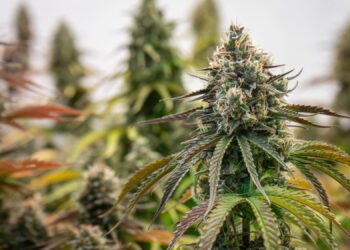
Bisabolol, most often encountered as alpha-bisabolol (sometimes called levomenol in its natural levorotatory form), is a monocyclic sesquiterpene alcohol. It is best known as a major constituent of German chamomile (Matricaria chamomilla) essential oil and is also obtained commercially from the wood of the candeia tree (Eremanthus erythropappus). Synthetic versions are also produced and sold. In cannabis, bisabolol is reported in some cultivars, generally as a minor component rather than a dominant one.
Why it matters
Origin shapes everything downstream: the isomer composition, the impurity profile, the regulatory status and the story you can truthfully tell. A product that lists "bisabolol" without saying whether it is plant-derived, cannabis-derived or synthetic leaves the buyer guessing.
What the mature industry does
The flavor and fragrance trade treats every ingredient as a defined material with a name, a CAS number, a source declaration and a specification. Natural, nature-identical and synthetic are separate categories with separate labeling consequences.
How an extraction operator applies it
- Record the source of every bisabolol input: cannabis-derived, other botanical, or synthetic.
- Record the isomer or grade the supplier claims, and check that the certificate of analysis supports it.
- Keep a one-page ingredient profile for bisabolol that lists name, synonyms, source options, intended use and known handling notes.
2. Bisabolol Terpene Benefits: What Can Responsibly Be Said
Search for bisabolol terpene benefits and you will find a wide spread of statements, many of them medical in tone. Operators should be disciplined here. What can be said plainly is narrower, and more defensible.
Benefits that are commercially well established
- Sensory contribution. Bisabolol is generally described as mildly floral, sweet and soft, with a light herbal edge. It can round out a terpene blend without dominating it.
- Long use in personal care. It has a long history as an ingredient in cosmetic and personal care formulations, where it is valued as a mild, skin-friendly component. That is a statement about formulation use, not a health outcome.
- Formulation behavior. As a less volatile sesquiterpene, it can add some persistence to an aroma profile compared with lighter monoterpenes.
Where to be careful
Laboratory and preclinical research on bisabolol exists, and interest in it is real. That research is preliminary, much of it is not specific to cannabis products, and it does not translate into permissible product claims. Describing a consumer product as treating, relieving or preventing any condition because it contains bisabolol creates regulatory exposure and is not supported by anything an operator can lawfully put on a label.
A benefit you can document is a formulation benefit. A benefit you have to imply is a liability.
The rest of this article is built on that distinction. Treat bisabolol as a well-characterized ingredient with sensory and formulation value, and put your effort into making it consistent, traceable and honestly described.
3. Lesson From Food and Flavor: Write the Specification First
Why it matters
Terpene ingredients are often bought on a sample and a smell test. That works until the second lot arrives and the aroma, color or solubility is different. Without a written specification, you have no basis to reject it and no way to explain the change to a customer.
What the mature industry does
Food and flavor manufacturers do not accept an ingredient without a specification and a certificate of analysis that maps to it. Incoming lots are checked against the spec, and acceptance is documented. Many also run identity checks on receipt rather than relying on paperwork alone.
How an extraction operator applies it
Write a specification for any bisabolol you buy or isolate. A workable one includes:
- Identity: chemical name, CAS number, isomer or grade claimed.
- Assay: minimum purity by a named method, such as gas chromatography.
- Appearance and odor description, noted as a qualitative check.
- Impurity limits relevant to the source, including residual solvents where a solvent was used in isolation.
- Contaminant requirements appropriate to the material, such as heavy metals or pesticides for botanically derived inputs, as set by your state rules and your own risk assessment.
- Packaging, storage conditions and shelf life as stated by the supplier.
If your product is a cannabis-derived terpene fraction rather than a purchased ingredient, the same logic applies to your own output. Define what "bisabolol-forward" means in measurable terms before you use the phrase.
4. Lesson From Pharma: Qualify the Source, Not Just the Lot
Why it matters
Bisabolol on the open market comes from multiple origins and processes. Natural material can vary with harvest and region. Synthetic material can carry process-related impurities. A single clean certificate of analysis tells you about one lot, not about the supplier.
What the mature industry does
Pharmaceutical manufacturers qualify suppliers. That means assessing the supplier’s quality system, reviewing their documentation, auditing where risk justifies it and agreeing in writing on change notification. Starting material controls are treated as a foundation of product quality, not an administrative step.
How an extraction operator applies it
- Send a supplier questionnaire. Ask about origin, process, solvents used, testing performed and quality certifications held.
- Request change notification. Ask the supplier to inform you before changing source, process or site.
- Verify, do not just trust. Periodically send retained samples to an independent laboratory and compare the results with the supplier’s certificate.
- Maintain an approved supplier list. Only buy from listed suppliers, and review the list on a set schedule.
- Check legal fit. Confirm with qualified counsel that the material and its intended use are appropriate for your product category and jurisdiction. Rules differ between food, cosmetic, supplement and cannabis product categories, and between states.
5. Lesson From Dietary Supplements: Claims Discipline Is a Quality Control
Why it matters
In the supplement industry, a surprising share of enforcement history concerns what was said about a product rather than what was in it. Cannabis and hemp businesses face the same dynamic, with the added complication of a split between federal and state frameworks that remain in flux. Where a rule is only proposed rather than final, plan for it, but do not assume it.
What the mature industry does
Supplement manufacturers separate claims into categories and review them before publication. Marketing copy, labels, websites, social posts and sales sheets go through the same review, because regulators and plaintiffs read all of them as one body of claims. Substantiation is kept on file for what is said.
How an extraction operator applies it
- Create a claims review step. No label, sell sheet or web page goes live without sign-off from a named person with compliance responsibility.
- Keep a list of approved phrases. For bisabolol, that might include aroma descriptors, source statements and measured content, and exclude any disease or treatment language.
- Review third-party content. If a customer or distributor repeats unsupported claims about your terpene blend, address it in writing.
- Watch the allergen question. Because chamomile belongs to the Asteraceae family, consider whether a botanically sourced bisabolol input warrants a precautionary statement or a customer notice. Check with counsel and your label reviewer on what is required in your markets.
For wider context on building these review habits, see our coverage in Safety & Compliance.
6. Processing a Sesquiterpene Alcohol: Handling Lessons From Refinement
Why it matters
Bisabolol does not behave like limonene or myrcene. It is a heavier, less volatile molecule that contains an alcohol group. That affects where it ends up in a fractionation, how it responds to heat and how it persists in a finished formulation.
What the mature industry does
Flavor and essential oil processors treat heat history as a recorded process parameter. They know that prolonged heat, oxygen exposure and light can shift a profile, and they design steps to limit all three. Fractions are collected and assessed individually rather than blended by feel.
How an extraction operator applies it
- Expect it later in the run. In distillation or terpene recovery, heavier sesquiterpenes generally concentrate in later fractions than monoterpenes. Confirm this for your own equipment by testing the fractions rather than assuming.
- Record heat exposure. Log temperatures, vacuum levels and hold times in the batch record so that profile differences between batches can be traced to process differences.
- Limit oxygen and light. Use appropriate inert headspace and opaque, suitable containers during holds and transfers.
- Control cross-contamination. Terpene work is sensitive to carryover. Written cleaning procedures, with verification, protect both profile integrity and any product claims about composition.
- Define reintroduction rules. If you add bisabolol back to a distillate or blend, specify the target level, the tolerance and how you will verify it, and record actual additions against the formula.
More on process choices appears under Botanical Extraction and Product Refinement.
7. Analytical Testing: Prove What Is in the Jar
Why it matters
Terpene content is easy to state and harder to prove. Bisabolol shares a retention region with other sesquiterpenes, so careless methods can misidentify or mis-quantify it. If you publish a bisabolol percentage, you need to be confident in the number.
What the mature industry does
Pharmaceutical and food laboratories validate their methods and use reference standards. They define what the method is fit to measure and keep records showing it performs as intended. They also use laboratories with recognized accreditation for the work, such as ISO/IEC 17025, where appropriate.
How an extraction operator applies it
Choose the right method and standard
- Gas chromatography with mass spectrometric or flame ionization detection is the common approach for terpene profiling. Ask your lab which it uses for sesquiterpenes and how bisabolol is identified.
- Use a certified reference standard for bisabolol so that identity and quantity are tied to a known material.
- Ask whether the method distinguishes alpha-bisabolol from related compounds, and whether it addresses isomers or only total content.
Manage the lab relationship
- Specify in writing which analytes and reporting limits you need.
- Request method summaries, not just results.
- Run occasional split samples between two laboratories to check agreement.
- Investigate out-of-trend results instead of retesting until the number looks right. Retest only under a written procedure.
Report honestly
State content as measured, with the method named internally and the date of testing on file. If the value is below the reporting limit, say so rather than rounding up for marketing purposes.
Our Analytical Techniques coverage goes deeper on method selection and lab oversight.
8. Stability, Storage and Change Control
Why it matters
A terpene profile that tests well on the day of production may not look the same months later. Alcohols and other terpene constituents can change with oxygen, heat and light. If your bisabolol claim or aroma target depends on a specific profile, you need to know how long it holds.
What the mature industry does
Pharma and supplements assign shelf life through stability studies, store retained samples from each lot and operate formal change control. A change in supplier, formula, process or packaging triggers a documented assessment before it reaches the market.
How an extraction operator applies it
- Run a basic stability program. Hold samples of finished product in the final packaging at your intended storage conditions and test at set intervals. Use the data to set a conservative best-by or retest date.
- Keep retained samples. Retain a sample from each lot for at least the period of your assigned shelf life, so you can investigate complaints.
- Use change control. Any change to bisabolol source, supplier, grade, addition level or container goes through a written review and approval. Record who assessed it and what testing, if any, was required.
- Plan for deviations. If a lot is out of specification, document the investigation, the decision and the disposition. Do not release on instinct.
- Train staff. People who weigh, blend and label terpene components need written procedures and recorded training, not verbal instructions.
9. Self-Assessment Checklist: Is Your Bisabolol Program Ready?
Answer each item honestly. Anything you cannot answer with a document is a gap.
- Do you have a written specification for bisabolol, whether purchased or produced in-house?
- Can you state the origin of each lot (cannabis-derived, other botanical or synthetic) from records?
- Is every bisabolol supplier on an approved list with a completed questionnaire?
- Do you receive and review a certificate of analysis for every lot, and verify it periodically with independent testing?
- Is your testing method suitable for sesquiterpenes, and is it tied to a reference standard?
- Do batch records capture temperatures, hold times, additions and operators?
- Do you have cleaning procedures and verification for terpene-handling equipment?
- Is there a documented claims review before any label or marketing material is released?
- Have you considered allergen or sensitivity statements for botanically derived inputs?
- Do you run stability checks and retain samples from each lot?
- Is there a change control procedure that covers source, supplier, process and packaging?
- Have you confirmed with counsel that your use of bisabolol suits your product category and the states where you sell?
If you answered no to more than a few of these, start with the specification and the claims review. They cost the least and reduce the most risk.
10. Frequently Asked Questions
What are the main bisabolol terpene benefits for product makers?
The practical benefits are sensory and formulation-related: a soft, floral aroma contribution, a long history of use in personal care formulations and some persistence in a blend. Health or therapeutic benefits should not be claimed on products, and available research is preliminary.
Is bisabolol found in cannabis?
It has been reported in some cannabis cultivars, usually as a minor terpene. Many commercial supplies come from other sources, such as chamomile or candeia wood, or are synthetic.
Can I say my product contains bisabolol?
You can state ingredient content if it is accurate and supported by testing and your records, subject to the labeling rules in your jurisdiction and product category. Keep the statement factual and avoid linking it to any health outcome.
Does bisabolol require special labeling?
Requirements depend on product type, state rules and whether the ingredient is a flavor, fragrance or active component. Because botanical sources may relate to a plant family known to cause sensitivities in some people, discuss precautionary statements with your compliance advisor.
How should I test for bisabolol?
Use a laboratory with a validated method for terpene profiling, ideally accredited, and ask that bisabolol be identified against a reference standard. Keep method summaries and raw reports on file.
Is natural bisabolol better than synthetic?
Neither is automatically better. They differ in origin, impurity profile, cost, consistency and how they can be described to customers. Qualify the supplier, review the specification and make the decision on documented quality and fit for your product.
Next step: If you are building or tightening a terpene quality program, start by writing the specification and the claims review procedure this month. For facility planning, documentation systems and operational support, explore the resources at nextbldg.com.
Conclusion: Treat a Minor Terpene Like a Major Responsibility
Bisabolol is a good test of an operation’s maturity. It is a small component with a big reputation, and the temptation is to let the reputation do the selling. Food, pharma and supplement manufacturers learned that credibility comes from the opposite approach: define the material, qualify the source, measure what you claim, control change and say only what you can support. Applied to bisabolol, that means a written specification, a vetted supplier, a validated test, a clean batch record and a reviewed label. None of it is glamorous, and all of it is what separates a product line that lasts from one that gets pulled.
Quality for a minor terpene is not a one-time project. It is an ongoing management discipline.