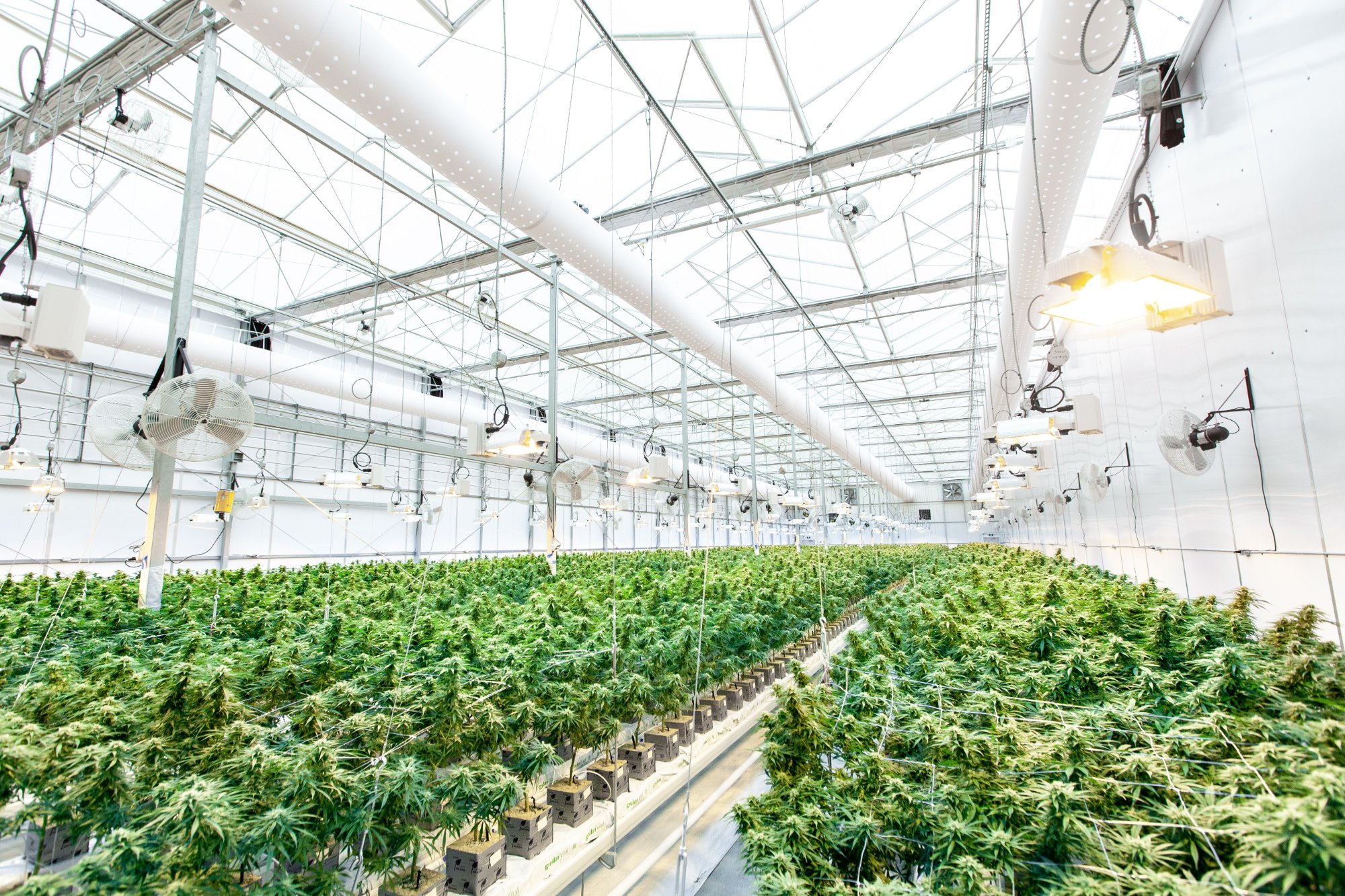
A decade ago, an investor looking at an extraction company mostly asked about throughput, yield and offtake. Those questions still matter, but they no longer carry a deal on their own. Regulators, insurers, lenders and retail buyers have all moved toward asking how a facility is run, and a plant that cannot show how it controls its process is carrying risk that never appears on a pro forma.
The pressure comes from several directions at once. State programs keep tightening testing, labeling and tracking rules. Federal policy on both marijuana and hemp remains unsettled, with proposals and enacted changes that operators need to track against current text rather than headlines. Buyers borrowing expectations from food and supplement manufacturing now ask for specifications, certificates and corrective action records. In that environment, due diligence is not a filing exercise. It is an inspection of whether the operation can repeat its results safely, and prove it.
So the question this guide answers is practical: what should an investor actually evaluate before funding an extraction venture, and what should an operator have ready when that investor arrives? The eleven sections below treat each system as an operating control, with what it should contain and the failure that most often undermines it.
1. Licensing, Permits and Regulatory Standing
This is the legal basis for operating, and it is the first thing a diligence team will test. A license is not a single document. It is a chain of state, local, fire, building and environmental approvals that must match the activity actually taking place on the floor.
What it should contain
- Current state license and any local approvals, with expiry dates tracked in a register.
- Zoning and certificate of occupancy confirmation for the specific use, including solvent-based extraction where applicable.
- Correspondence with regulators, inspection reports and any notices of violation, with closure evidence.
- Change-of-ownership or change-of-control requirements, since many programs require prior approval when investors take a stake.
- A written view of which regulatory regime applies: state-licensed cannabis, federally regulated hemp, or both.
Common failure to avoid
Assuming the license transfers with the money. Ownership rules differ by jurisdiction, and a funding round that triggers an unapproved change of control can put the license itself at risk. Confirm the process before the term sheet is signed.
2. Facility Design and Hazardous Area Classification
For solvent-based extraction, the building is a safety control. Hydrocarbon and ethanol operations create flammable atmospheres, and the facility has to be designed, permitted and verified for that reality.
What it should contain
- Documented hazardous area classification and electrical equipment rated for it.
- Fire and building code review against the codes the local authority adopted, which often draw on NFPA and International Fire Code provisions.
- Ventilation, gas detection and interlock design, with test records.
- Material and personnel flow drawings that separate raw material, processing, finished goods and waste.
- Smooth, cleanable surfaces and drainage appropriate to the product category.
Common failure to avoid
Treating the permit as proof of safety. A facility can pass an initial inspection and then drift, with added equipment, extra solvent storage or modified ventilation that nobody reclassified. Ask for the as-built drawings and compare them to what you see on the walk-through.
3. Process Safety and Management of Change
Process safety is the discipline of knowing what can go wrong with a pressurized or flammable process and having controls in place before it does. Management of change is the part most often missing, because small modifications accumulate into a different system than the one that was approved.
What it should contain
- A hazard review for each extraction line, such as a HAZOP or a structured what-if analysis.
- Written solvent handling, transfer, storage and recovery procedures.
- A management of change procedure covering equipment, solvents, setpoints and layout.
- Pressure relief, lockout and emergency shutdown procedures, with drill records.
- Incident and near-miss logs with documented follow-up.
Common failure to avoid
Having a hazard review that was written once for the permit and never revisited. If the line has been modified since, the review describes a plant that no longer exists.
4. Equipment Qualification, Maintenance and Calibration
Extraction results depend on equipment performing the same way each run. Investors should see evidence that the equipment was installed correctly, performs to specification and stays that way.
What it should contain
- Vendor documentation, pressure vessel certifications and installation records for each major asset.
- Installation and operational qualification protocols and results, scaled sensibly to the equipment.
- A calibration schedule for gauges, scales, temperature sensors and pressure transmitters, with traceable records.
- Preventive maintenance plans and completed work orders.
- Cleaning and changeover procedures between products or biomass types.
Common failure to avoid
Relying on the vendor’s brochure as qualification. A claimed capacity is not a verified one, and an uncalibrated scale undermines every yield figure the business reports.
5. Quality Management System and Document Control
A quality management system is the structure that keeps procedures current, approved and actually used. It is where food and supplement manufacturers have set expectations that cannabis buyers increasingly borrow, such as the framework in 21 CFR Part 111 for dietary supplements. Whether or not those rules legally apply to a given product, the logic carries over.
What it should contain
- A document control procedure with versioning, approval signatures and controlled distribution.
- Standard operating procedures for each critical task, written by the people who perform them.
- Product specifications and in-process limits.
- A defined quality unit or role with authority to hold or reject product, independent of production pressure.
- Periodic internal audits with documented findings.
Common failure to avoid
A binder of procedures that nobody follows. Ask an operator on the floor to show you the SOP for what they are doing and see whether it matches. The gap between the document and the practice is the finding.
6. Supplier Qualification and Incoming Material Controls
Extraction concentrates whatever is in the input. Contaminated or mislabeled biomass becomes contaminated concentrate, so incoming controls protect both safety and margin.
What it should contain
- An approved supplier list with the basis for approval, whether audit, questionnaire or testing history.
- Incoming specifications for biomass, solvents, packaging and processing aids.
- Certificates of analysis, with a plan for verifying them through independent testing.
- Receiving inspection records and quarantine procedures for unreleased material.
- Solvent grade documentation and lot tracking.
Common failure to avoid
Buying on price and verifying nothing. A supplier’s certificate is a claim, not a control. If the company has never rejected an incoming lot, that is more likely a sign of weak inspection than of perfect suppliers.
7. Batch Records, Traceability and Mass Balance
Batch records are the operational memory of the business. They show what was made, from what, by whom, under which conditions, and where it went. Mass balance, the reconciliation of inputs against outputs and losses, is the quickest way to test whether the numbers can be trusted.
What it should contain
- A batch record for every run with lot numbers, weights, parameters, operator and reviewer signatures.
- Lot genealogy linking biomass, intermediate and finished goods, forward and backward.
- Reconciliation of yield against theoretical expectations, with investigation limits.
- Alignment with the state tracking system where one is required, and reconciliation between that system and internal inventory.
- Mock recall results showing how quickly affected lots can be located.
Common failure to avoid
Records completed after the fact from memory. Late entries, identical handwriting across shifts and unexplained rounding are signs that the paper is describing a process rather than recording one. Inventory that does not reconcile is also a diversion and compliance risk, not just an accounting one.
8. Laboratory Testing and Data Integrity
Test results drive release decisions, pricing and regulatory standing. Investors should understand who generates the data, how it is protected and what happens when a result is inconvenient.
What it should contain
- Use of laboratories accredited to ISO/IEC 17025 or licensed under the relevant state program, where required.
- A testing plan covering potency, residual solvents, contaminants such as pesticides and heavy metals, and microbial limits, matched to the product and market.
- Sampling procedures that produce representative samples, with chain of custody.
- Rules for retesting and out-of-specification results, written in advance.
- Access controls, audit trails and backups for any in-house analytical data.
Common failure to avoid
Retesting until a batch passes. Without a written out-of-specification procedure, repeated testing becomes a way to shop for results. Diligence teams should ask to see failed results and how each was resolved.
9. Contamination Control, Sanitation and Food-Safety Hazard Analysis
Where extracts are destined for edibles, vapor products or ingestible formats, buyers expect a systematic hazard analysis in the style of HACCP, even when no regulator has demanded one. The aim is to identify where physical, chemical and microbial hazards can enter and to control each one.
What it should contain
- A documented hazard analysis for each product family, with critical control points where justified.
- Sanitation procedures, cleaning verification and records.
- Pest control program and monitoring logs.
- Allergen and cross-contact controls where other products share the building.
- Personnel hygiene rules, gowning requirements and visitor controls.
Common failure to avoid
Importing a generic template. A hazard analysis that does not name the facility’s actual steps, solvents and equipment shows that nobody has looked at the process closely.
10. Deviations, CAPA and Recall Readiness
Every operation has problems. What separates a controlled business from a fragile one is whether it detects them, investigates root cause and prevents recurrence. Corrective and preventive action is the mechanism, and recall readiness is its stress test.
What it should contain
- A deviation procedure with defined severity levels and timelines.
- Root cause investigation methods, with evidence rather than assumption.
- CAPA tracking showing owners, due dates and effectiveness checks.
- A written recall plan with contact lists, decision authority and customer notification steps.
- Trend reviews of complaints, deviations and failed tests.
Common failure to avoid
Closing CAPAs with retraining as the default answer. If every investigation concludes that an operator needs to be reminded, the real cause, such as a poorly designed step or missing equipment, has not been found.
11. Training, Environmental Compliance and Insurance
The final system ties people, waste and risk transfer together. Trained staff operate the controls above, environmental compliance keeps the site legal, and insurance reflects how well the first two are managed.
What it should contain
- Role-based training matrices with competency checks, not only attendance sheets.
- Solvent waste, spent biomass and wastewater handling procedures consistent with local and state rules, with disposal manifests.
- Safety data sheets, hazard communication and emergency response plans.
- Insurance coverage that actually fits extraction, with the carrier’s conditions and exclusions read closely.
- Claims and loss history, plus any insurer or fire marshal recommendations and their status.
Common failure to avoid
Assuming coverage without reading exclusions. Some policies limit or exclude solvent-based processing or require specific safeguards. A gap discovered after a loss is not recoverable.
How to Build It Without Overbuilding It
None of this requires a corporate quality department on day one. A small operator can show investors a credible system by scaling the effort to the risk, and the order matters more than the volume.
Start with the controls that can hurt people or end the license
- Solvent safety, hazardous area compliance and management of change come first.
- Inventory reconciliation and tracking-system accuracy come next, because they protect the license.
- Release testing and out-of-specification rules follow, because they protect customers and brand.
Keep documents short and used
- One-page SOPs with photos or steps that operators helped write are better than long manuals nobody opens.
- Use a simple document register and version numbers before buying software.
- Combine forms where possible: one batch record that captures inputs, parameters, yield and release.
Match qualification to equipment risk
- Pressure and solvent systems warrant formal qualification. A benchtop mixer needs a calibration tag and a cleaning step.
- Calibrate what drives decisions: scales, temperature and pressure instruments first.
Run small, honest audits
- Once a quarter, pick one batch and trace it from receipt to shipment. Note every gap.
- Run a mock recall annually and time it.
- Keep a short management review where owners look at deviations, failed tests and open actions together.
Show investors the gaps
A candid gap list with owners and dates is stronger than a polished binder with hidden holes. Experienced investors expect early-stage operations to be incomplete. What they are checking is whether management can see the gaps and close them in a sensible order.
Conclusion: Diligence Rewards Operations That Can Prove Control
The investor’s job is to find out whether the plant produces results by design or by luck. The eleven systems above are how that question gets answered: licensing and facility safety protect the right to operate, quality, equipment and supplier controls protect the product, and records, testing and corrective action make all of it provable. Rules will keep shifting at both state and federal level, and investors will keep adjusting their questions. Operators who build these controls into daily work can answer calmly, because the evidence already exists.
Regulatory readiness is not a one-time project. It is an ongoing management discipline.
Visit: nextbldg.com