Vape pen Atomizers
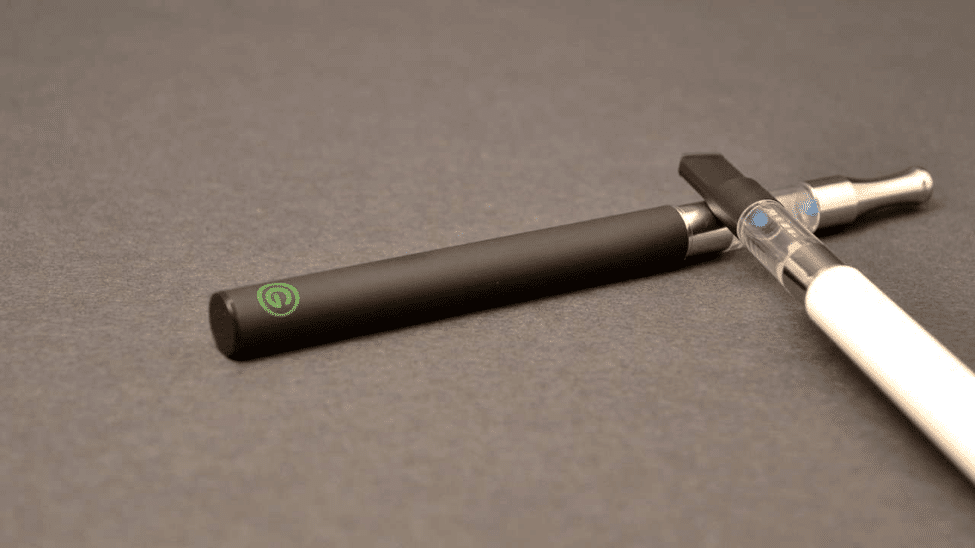
The atomizer on a vape pen is the section that contains the concentrate, coil or wick, and heating element. The coil or wick delivers cannabis oil to the heating element and vaporizes it. The type of atomizer used can mean the difference between an exceptional or low quality vaping experience.
Cotton Wick Technology
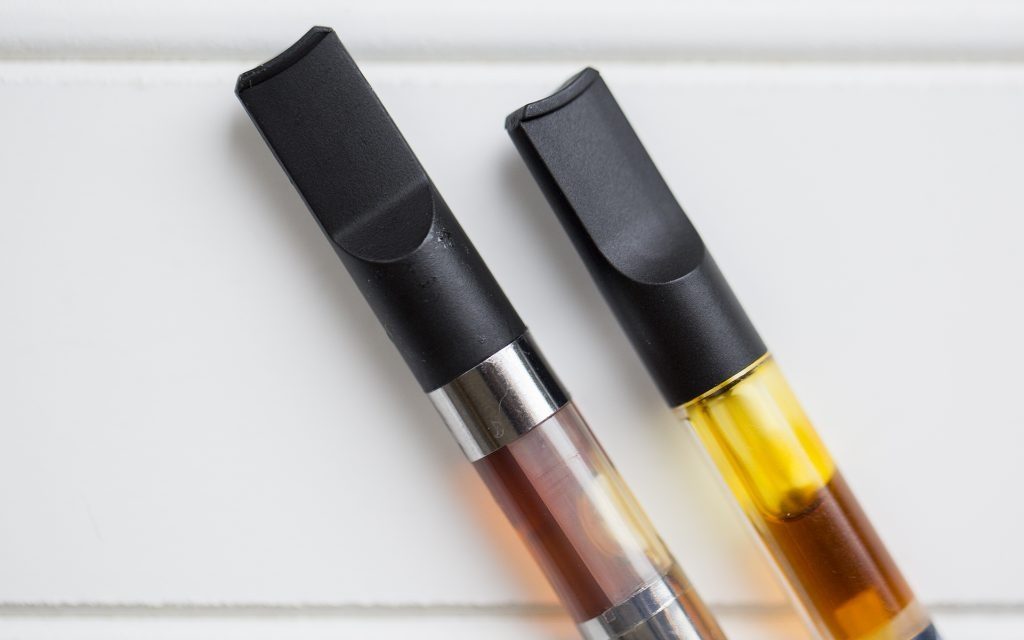
The use of cotton wicks were once commonplace in electronic cigarettes and early forms of cannabis vape pens. Cotton wicks are saturated with e-juice or cannabis oil that is then delivered to the heating element to be vaporized. High viscosity oils are not able to fully saturate the heating element in wick vaping, resulting in what is known as a “dry hit.” A “dry hit” is an unpleasant experience that occurs when the heating element inside a vaporizer heats an unsaturated wick, causing the wick itself to be burned.

Image Citation: IJERPH
Wick technology is a cheaper alternative to coil-based atomizers, but they are also lower in quality when it comes to flavor and vapor consistency. Wick atomizers are also prone to overheating cannabis oil due to their inefficient saturation method and lack of proper heat-control capabilities. The ability to overheat cannabis oil results in a “burning” flavor. [1]
Coil Technology
Ceramic coils are the latest form of coil atomizer vape pens. They work by efficiently delivering the oil to the heating element within the coil itself. Because the heating element is directly within the coil and there is no cotton-based delivery step, a small amount of oil will not result in “dry hits”.
Ceramic coil technology also can provide a better flavor profile than wick atomizers. The superior heat retention maintained by the ceramic heating element does not cause overheating of cannabis oil and means less wear on the vape pen’s battery, as well as consistent vapor production.
Another popular type of coil used by the vape pen industry is that of quartz-based coils. Quartz coil technology employs a faster heat-up ramp time than their wick-based counterparts. Because of this, vape pens that utilize quartz coils can provide longer battery lifetimes. Quartz coils also deliver a more sizable volume of vapor due to faster heat times compared to wick coils.
Coil-less Vaping
Coil-less atomizers are amongst the newest way to vape cannabis concentrates. Rather than using resistance wire to heat an element such as quartz or ceramic, these new atomizers rely on a plate of titanium or other conductive metal to heat up a concentrate-containing vessel usually made of ceramic or quartz. This technology often looks similar to a miniature crock-pot that’s able to heat up in a matter of seconds. Coil-less oil vaping is one of the best ways to get the full terpene flavor profile of any type of cannabis concentrate.
Conclusion
Although wick-based atomizers paved the way for today’s newer and more efficient technologies, they are inferior to the more commonly used coil atomizers and the brand new coil-less technology employed by top vape pen manufacturers. The use of high-quality ceramic or quartz coils results in a more flavorful, consistent, and enjoyable vaporizer experience.
Reference
[1] Xander, H. “How Ceramic Heating Elements Can Minimize Charred Flavors When Vaping Concentrates”, Extraction Magazine, March/April issue, 2019.