
• Advertise
  • Contact Us
  • Write For Us
  • Our Team
Extraction Magazine
No Result
View All Result
  • Botanical Extraction
    • Cannabinoids
    • Psychedelics
    • Nutraceutical
    • Product Refinement
  • Industry News
    • Business
    • Sustainability
    • Safety & Compliance
    • Partners
  • Extraction Technology
    • Equipment
    • Methods
    • Solvents
    • DIY Extraction
    • Analytical Techniques
  • Medical Research
  • Glossary
  • Business Directory
  • Botanical Extraction
    • Cannabinoids
    • Psychedelics
    • Nutraceutical
    • Product Refinement
  • Industry News
    • Business
    • Sustainability
    • Safety & Compliance
    • Partners
  • Extraction Technology
    • Equipment
    • Methods
    • Solvents
    • DIY Extraction
    • Analytical Techniques
  • Medical Research
  • Glossary
  • Business Directory
No Result
View All Result
Extraction Magazine
No Result
View All Result
Home Botanical Extraction

Obtaining Ibogaine from Other Iboga Alkaloids

Antonio DeRose by Antonio DeRose
July 30, 2021
in Botanical Extraction
Obtaining Ibogaine from Other Iboga Alkaloids

If you follow the therapeutic potential of psychedelics, then chances are, you’ve heard of ibogaine. For those who may not be familiar with ibogaine, it is a well-known psychedelic substance with therapeutic potential for substance abuse and other disorders. It falls in the family of iboga alkaloids, along with others like voacangine, which have very similar molecular structures to ibogaine. Because of this, ibogaine can be obtained through a semi-synthetic process that starts with voacangine.

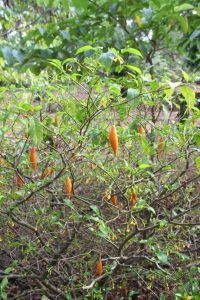
Typically, ibogaine is isolated and extracted from the root bark of Tabernanthe iboga (iboga), but this current method results in low yields. This is why researchers have identified a unique procedure, using the root bark of Voacanga africana (small-fruited voacanga) to extract voacangine, which is then synthesized into ibogaine. [1] Their newly discovered method “represents a six-fold increase compared to the isolated yield that is currently obtained using direct extraction from Tabernanthe iboga root bark.”
READ ALSO

What Happens if Hemp-Derived THC Products Face New Federal Restrictions?

How the 2018 Farm Bill Created Today’s Hemp Industry

Tabernanthe iboga, Marco Schmidt, CC BY-SA 2.5
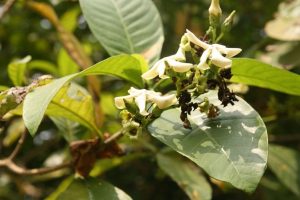
 

Voacanga africana, Hiobson, CC BY-SA 4.0


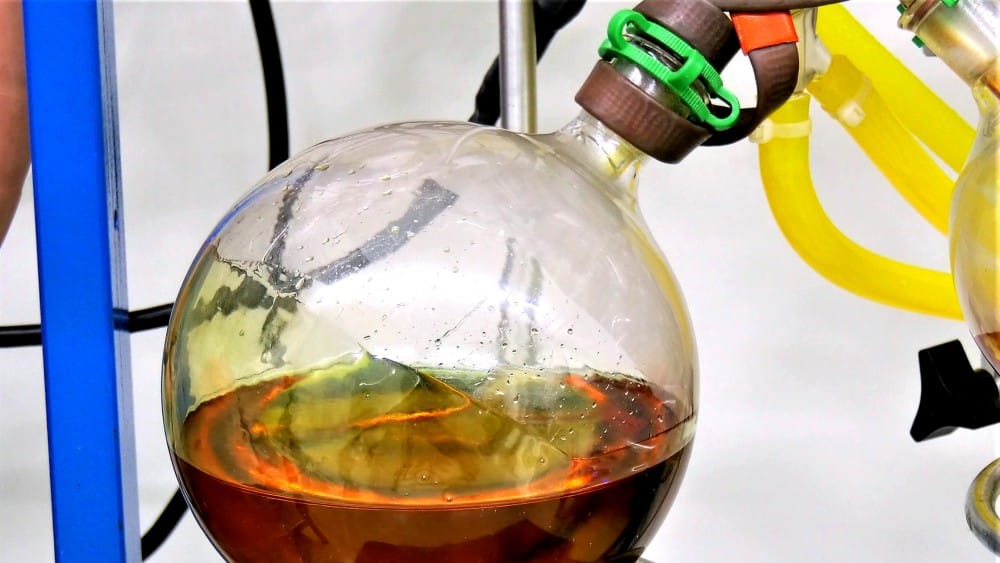
The first method for extracting voacangine started with an acid-base (hydrochloric acid and ammonium hydroxide) extraction procedure, followed by lengthy sequences of precipitation, filtration, and centrifugation. Researchers were able to simplify the process through a direct extraction method using acetone with sodium bicarbonate. This direct acetone-based method made the process easier by reducing total steps and increased voacangine extraction in more than one way. Not only were they able to extract more voacangine, but they were also able to extract two other iboga alkaloids, voacamine, and voacamidine. Both of these were then turned into voacangine by means of a cleavage reaction using microwave-assisted or conventional heating. [1]

By being able to extract a good amount of voacangine, “0.82% of root bark dried weight in a 0.5 kg scale,” and then adding the voacangine converted from voacamine and voacamidine, “the total amount of voacangine obtained by application of the whole procedure to the plant material (extraction and dimer cleavage) could almost duplicate (∼2.0% of voacangine) the content originally found in the root bark.” Using this optimized extraction method and synthesis, “the total amount of ibogaine that could potentially be obtained… is approximately 1.8 g per 100 g of Voacanga africana root bark.”

When compared to the current method of obtaining ibogaine from the root bark of Tabernanthe iboga, which is only ∼0.3% isolated yield, this marks a great discovery for advancing research and therapeutic access to ibogaine. [1]


Reference:

  1. Gonzalez B, et al. Efficient access to the iboga skeleton: Optimized procedure to obtain voacangine from Voacanga africana root bark. ACS Omega. 2021;6:16755−16762. DOI: 1021/acsomega.1c00745. Times Cited: n/a; Journal Impact Factor: 3.512
Related Posts

Hemp-derived CBD oil and topical product containers displayed with hemp leaves on a wooden platform
Industry News

What Happens if Hemp-Derived THC Products Face New Federal Restrictions?

October 6, 2026
Large-scale hemp cultivation facility with rows of cannabis plants under greenhouse lighting
Botanical Extraction

How the 2018 Farm Bill Created Today’s Hemp Industry

October 6, 2026
Cannabis leaves and cookies representing cannabinoid-infused consumer food products
Botanical Extraction

Could FDA Become the Primary Regulator of Consumable Cannabinoids?

October 2, 2026
Modern CBD extraction equipment in a commercial cannabis processing facility
Botanical Extraction

CBD‑Specific Gear Hits US $65 M Market Milestone

September 22, 2025
Turnkey cannabis extraction lab equipment integrating extraction, purification, and distillation in a single automated system
Botanical Extraction

Turnkey Extraction and Purification Units for Cannabis Processing

July 1, 2025
Wide angle view at two workers wearing protective suits while inspecting production at modern chemical plant, copy space
Botanical Extraction

Collaborative Approaches in Botanical Extraction: Bridging Science and Industry

June 7, 2025
Next Post
Researchers Produce Psilocybin in E. Coli

Researchers Produce Psilocybin in E. Coli

Sitemap

© 2026 Extraction Magazine is the trusted provider of botanical extraction news and the leading media in the ever-changing extraction industry.

No Result
View All Result
  • Industry News
  • Botanical Extraction
  • Medical Research
  • Medical Research
  • Glossary
  • Our Team
  • Write For Us

© 2026 Extraction Magazine is the trusted provider of botanical extraction news and the leading media in the ever-changing extraction industry.