
• Advertise
  • Contact Us
  • Write For Us
  • Our Team
Extraction Magazine
No Result
View All Result
  • Botanical Extraction
    • Cannabinoids
    • Psychedelics
    • Nutraceutical
    • Product Refinement
  • Industry News
    • Business
    • Sustainability
    • Safety & Compliance
    • Partners
  • Extraction Technology
    • Equipment
    • Methods
    • Solvents
    • DIY Extraction
    • Analytical Techniques
  • Medical Research
  • Glossary
  • Business Directory
  • Botanical Extraction
    • Cannabinoids
    • Psychedelics
    • Nutraceutical
    • Product Refinement
  • Industry News
    • Business
    • Sustainability
    • Safety & Compliance
    • Partners
  • Extraction Technology
    • Equipment
    • Methods
    • Solvents
    • DIY Extraction
    • Analytical Techniques
  • Medical Research
  • Glossary
  • Business Directory
No Result
View All Result
Extraction Magazine
No Result
View All Result
Home Botanical Extraction

Ginkgo biloba Polysaccharide Extraction

Petar Petrov by Petar Petrov
March 12, 2021
in Botanical Extraction
Ginkgo biloba Polysaccharide Extraction

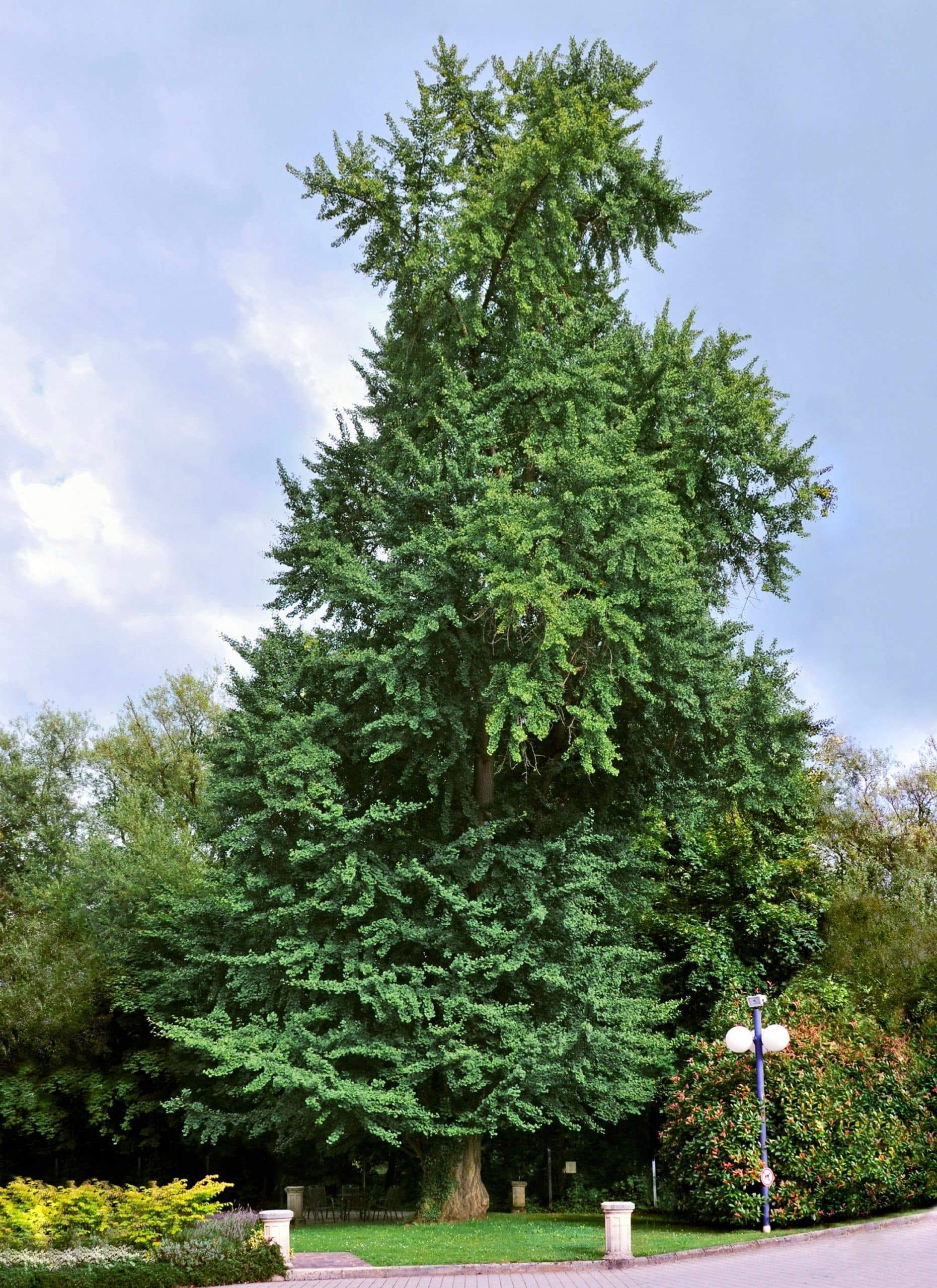
Having been around for 250 million years, Ginkgo biloba L. has become synonymous with wellness and the mystic powers of Asian natural medicine. Gingo biloba’s therapeutic potential spans anti-tumor, anti-oxidant, antibacterial, anti-inflammatory, anti-depressant, immunostimulating, and hepatoprotective effects, in addition to use for the treatment of ischemia/reperfusion (I/R) injury, retinal diseases, and neurodegenerative diseases. [1]

Ginkgo Biloba Nutraceutical Potential

Ginkgo biloba consists of terpenes, flavonoids, fatty acids, proanthocyanidins, and polysaccharides, and the latter have been becoming increasingly popular in the scientific community. Methods of extracting polysaccharides were recently explored and respectively overviewed [1]

READ ALSO

What Happens if Hemp-Derived THC Products Face New Federal Restrictions?

How the 2018 Farm Bill Created Today’s Hemp Industry

Researchers describe various methods, namely “high-performance ion chromatography, high-performance liquid chromatography (HPLC), gas chromatography (GC), UV–visible spectroscopy, fourier transform infrared spectra (IR), nuclear magnetic resonance spectroscopy (NMR) and X-ray photoelectron spectra.”

Extraction Methods

The juxtaposition of reviewed studies focused on different methods for extracting polysaccharides from variations of the source material and how conditions can be modified for optimal results.

The extraction rate of polysaccharides is determined by a combination of factors, such as solvent, pH, the raw material-to-solvent ratio, temperature, and time.

One method that has been applied to increase extraction rate has been to break cell walls and promote dissolution of the composition via techniques like ultrasonic-assisted enzymatic extraction.

“These methods possess the advantage of being highly efficient, environmentally friendly, and easily operated owing to the relatively mild reaction conditions.”

Extraction Process Optimization

To optimize extraction yield of polysaccharides from G. biloba leaves, a study, cited in the review,  employed an orthogonal experiment, in which the water-to-sample ratio was 30:1 (v/w), at 80 °C for 3.5 h. [1,35].

Moreover, an ultrasonic-assisted enzymatic extraction has also been investigated [1,38] to obtain the antioxidant polysaccharides from G. biloba sarcotesta. The optimal conditions were a pH of 4.5, an extraction temperature of 60 °C, an extraction time of 31 min, and a cellulase concentration of 3.2%.

Conversely, in a study [1,37] on polyethylene glycol (PEG)-based ultrasound-assisted enzymatic extraction, the optimal conditions were a pH of 4.34, an extraction temperature of 51.88 °C and an extraction time of 37.13 min.

“In short, different extraction methods cause differences in monosaccharide composition, molar ratio, and activities.”

References:

  1. Fang et al, Extraction, structure and bioactivities of the polysaccharides from Ginkgo biloba: A review, International Journal of Biological Macromolecules, Volume 162, 1 November 2020, Pages 1897, Journal Impact Factor = 5.162; Times Cited = 6

Image Credits: Wikimedia Commons
Related Posts

Hemp-derived CBD oil and topical product containers displayed with hemp leaves on a wooden platform
Industry News

What Happens if Hemp-Derived THC Products Face New Federal Restrictions?

October 6, 2026
Large-scale hemp cultivation facility with rows of cannabis plants under greenhouse lighting
Botanical Extraction

How the 2018 Farm Bill Created Today’s Hemp Industry

October 6, 2026
Cannabis leaves and cookies representing cannabinoid-infused consumer food products
Botanical Extraction

Could FDA Become the Primary Regulator of Consumable Cannabinoids?

October 2, 2026
Modern CBD extraction equipment in a commercial cannabis processing facility
Botanical Extraction

CBD‑Specific Gear Hits US $65 M Market Milestone

September 22, 2025
Turnkey cannabis extraction lab equipment integrating extraction, purification, and distillation in a single automated system
Botanical Extraction

Turnkey Extraction and Purification Units for Cannabis Processing

July 1, 2025
Wide angle view at two workers wearing protective suits while inspecting production at modern chemical plant, copy space
Botanical Extraction

Collaborative Approaches in Botanical Extraction: Bridging Science and Industry

June 7, 2025
Next Post
Extracts Now Offer Products Combining CBD And THC

Extracts Now Offer Products Combining CBD And THC

Sitemap

© 2026 Extraction Magazine is the trusted provider of botanical extraction news and the leading media in the ever-changing extraction industry.

No Result
View All Result
  • Industry News
  • Botanical Extraction
  • Medical Research
  • Medical Research
  • Glossary
  • Our Team
  • Write For Us

© 2026 Extraction Magazine is the trusted provider of botanical extraction news and the leading media in the ever-changing extraction industry.