
The cannabis extracts market is in the midst of a historic expansion. With projections pointing toward a valuation of over US $16.6 billion by 2025, the sector is redefining not only how cannabis is consumed but also how it intersects with health, wellness, and mainstream consumer products.
Global acceptance, coupled with technological innovation and evolving legislation, is fueling unprecedented growth. As we explore the forces driving this surge, it becomes clear that cannabis extracts are poised to become one of the defining markets of the next decade.
Understanding Cannabis Extracts: What They Are and Why They Matter
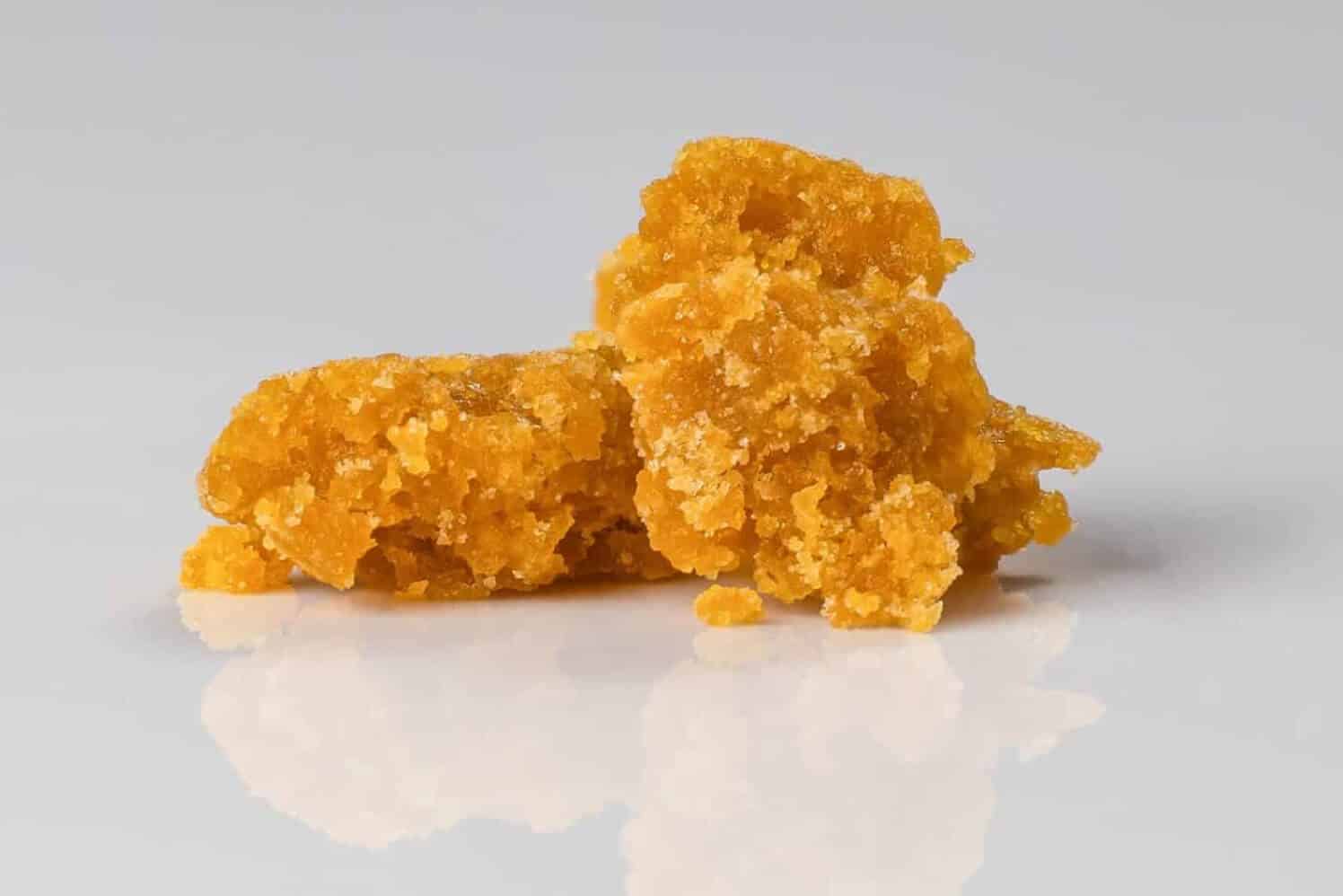
Cannabis extracts are highly concentrated forms of cannabinoids—primarily THC and CBD—derived from the plant using processes like CO₂ extraction, ethanol extraction, and solventless methods. These products encompass:
- Oils and tinctures
- Concentrates such as shatter, wax, and hash
- Edibles infused with extracted cannabinoids
- Topicals and transdermal patches
Their appeal lies in precision dosing, potency, and diverse applications, making them the fastest-growing segment within the legal cannabis market.
The shift from traditional flower to extracts mirrors broader consumer trends favoring convenience, discretion, and efficacy. Whether used medicinally or recreationally, extracts deliver consistent experiences and are increasingly seen as premium cannabis products.
Market Size and Growth Trajectory
According to Precedence Research, the global cannabis extract market was valued at approximately US $9.4 billion in 2023. By 2025, that figure is expected to nearly double to US $16.56 billion, continuing its ascent to US $73.28 billion by 2034, reflecting a compound annual growth rate (CAGR) of around 18%.
Other analyses, such as Research and Markets, project similar momentum, estimating a rise to US $26.47 billion by 2029, driven largely by demand in North America and Europe.
Several factors underpin this growth:
- Accelerated legalization across U.S. states and key international markets
- Rising consumer awareness of health benefits linked to cannabinoids
- Product innovation in edibles, beverages, and wellness formulations
- Increasing acceptance of cannabis in mainstream retail channels
Notably, cannabis concentrates alone are projected to generate US $1.6 billion in sales by 2025, with forecasts anticipating a market of over US $6.8 billion by 2035.
North America: The Epicenter of Demand
North America remains the most mature and lucrative region for cannabis extracts. As of 2024, North America accounted for more than US $10.7 billion in extract sales, and that dominance is set to continue.
Several U.S. states, including California, Colorado, and Illinois, have pioneered adult-use legalization, normalizing extract consumption across demographic groups. Canada’s federal legalization has further cemented the region’s leadership.
Meanwhile, Mexico’s potential regulatory reforms and growing acceptance in Latin America could expand the addressable market significantly over the next five years.
Medical cannabis alone is projected to exceed US $16 billion in the United States by 2025, demonstrating how extracts have become integral to therapeutic applications ranging from pain management to epilepsy treatment.
Europe and Emerging Markets: The Next Frontier
While Europe lags North America in legalization, the momentum is undeniable. Germany, the United Kingdom, and Switzerland have made significant progress in medical cannabis frameworks, opening doors to extract-based formulations.
Consumer education campaigns and regulatory harmonization are expected to boost adoption. The European cannabis market is forecast to grow at a CAGR exceeding 20%, with extracts commanding a substantial share due to their medical utility and ease of use.
Emerging markets in Asia-Pacific and Latin America also hold promise, although regulatory volatility—illustrated by Thailand’s recent moves to recriminalize recreational cannabis—underscores the challenges of global expansion.
The Health and Wellness Revolution
Cannabis extracts are no longer confined to dispensary shelves. They are increasingly integrated into wellness and lifestyle products:
- CBD oils and tinctures for anxiety and sleep support
- THC-infused beverages replacing alcohol in social settings
- Topical applications for inflammation and skincare
This evolution aligns with macro consumer trends prioritizing natural remedies over synthetic pharmaceuticals. As more clinical research substantiates cannabinoid efficacy, extracts will further embed themselves into daily wellness routines.
Retailers and manufacturers are responding by diversifying formats, ensuring consumers have options from microdosed edibles to high-potency concentrates.
Regulatory Hurdles and Industry Risks
Despite impressive growth, the cannabis extracts sector faces formidable regulatory obstacles. The United States, still grappling with federal prohibition, presents a patchwork of laws that complicate operations:
- Banking and finance barriers: Many cannabis businesses cannot access traditional banking services due to federal restrictions, forcing reliance on cash transactions and increasing security risks.
- Tax challenges: IRS Code 280E prevents cannabis companies from deducting standard business expenses, squeezing profitability.
- Interstate commerce limitations: Products must remain within state lines, curtailing economies of scale.
International markets are equally unpredictable. Thailand’s reversal on recreational legalization in 2025 shook investor confidence, demonstrating how quickly regulatory winds can shift. These uncertainties mean businesses must remain agile, maintaining robust compliance frameworks to avoid costly penalties or closures.
Competitive Dynamics and Consolidation
Competition in the cannabis extracts market is fierce. Large multistate operators and global firms dominate production and distribution:
- Canopy Growth Corporation
- Aurora Cannabis Inc.
- Tilray Brands Inc.
- Curaleaf Holdings
- Trulieve Cannabis Corp.
- Green Thumb Industries
These companies leverage scale, advanced extraction technologies, and strategic acquisitions to cement their market positions. Meanwhile, smaller producers are differentiating through craft extraction, organic certification, and unique terpene profiles.
Consolidation has accelerated as firms seek to secure supply chains and expand product portfolios. Mergers and acquisitions are reshaping the landscape, with companies racing to capture shelf space in both medical and adult-use channels.
Innovation Driving Market Expansion
Cannabis extracts are evolving beyond oils and concentrates. Several product categories have gained traction:
- Cannabis-infused beverages: These drinks have attracted consumers seeking an alternative to alcohol. The U.S. market alone could exceed US $16 billion by 2026, reflecting shifting social norms.
- Edibles and microdosing products: Gummies, chocolates, and dissolvable strips are increasingly popular, appealing to new consumers who prefer discreet and controlled consumption.
- Pharmaceutical-grade extracts: Companies are developing precise formulations targeting conditions like epilepsy, multiple sclerosis, and chronic pain.
Innovation in delivery methods, such as nanoemulsions and water-soluble cannabinoids, is improving bioavailability and onset time. These technological advances are expected to broaden the appeal of extracts and fuel further growth.
Consumer Preferences Shaping the Market
Today’s cannabis consumers are more informed and selective than ever. Surveys show they prioritize:
- Consistency: Standardized dosing and predictable effects
- Transparency: Clear labeling, lab results, and source information
- Quality: Organic or sustainably produced extracts
Brands that deliver on these expectations are capturing market share. Education campaigns and transparent marketing have become essential tools for building trust and loyalty.
Interestingly, extracts have resonated with older demographics who are seeking therapeutic benefits without the stigma traditionally associated with cannabis flower. This trend is redefining target audiences and driving product diversification.
The Role of Sustainability and Social Equity
Sustainability is another emerging priority. Consumers and regulators alike are scrutinizing the environmental footprint of extraction processes, packaging, and cultivation. Forward-thinking companies are investing in:
- Closed-loop extraction systems to minimize solvent waste
- Energy-efficient equipment
- Compostable or recyclable packaging
Social equity initiatives are also influencing market dynamics. Many jurisdictions require businesses to prioritize diverse ownership and reinvest in communities disproportionately impacted by cannabis prohibition. These programs are reshaping industry standards and promoting more inclusive growth.
Future Outlook: Toward a Mainstream Cannabinoid Economy
Looking ahead, the cannabis extracts market is set to undergo further transformation:
- Federal U.S. legalization: While timelines remain uncertain, eventual federal reform could unlock national distribution, institutional investment, and more consistent regulation.
- Continued product innovation: Advances in genetics, extraction technology, and formulation science will yield novel products and therapeutic applications.
- International expansion: Europe and Latin America represent significant growth opportunities, provided regulatory frameworks stabilize.
In this environment, adaptability will be the key differentiator. Companies that invest in compliance, innovation, and consumer education will be best positioned to thrive.
Conclusion
The cannabis extracts sector’s trajectory toward US $16.6 billion in 2025 is more than a story of market expansion—it’s a testament to the normalization of cannabis in mainstream culture. As therapeutic and recreational use becomes increasingly accepted, extracts will continue to redefine how people consume, experience, and benefit from this versatile plant.
From premium concentrates to functional beverages, the future of cannabis extracts is both dynamic and promising. While challenges remain, the sector’s growth shows no sign of slowing, cementing its place as one of the most significant consumer trends of the coming decade.
Sources
- Precedence Research – Cannabis Extract Market Size & Forecast
- Coherent Market Insights – Market Insights Report
- Future Market Insights – Cannabis Concentrates Forecast
- Pharmaceutical Commerce – U.S. Medical Cannabis Market
- GlobeNewswire – Recreational Cannabis Trends
- Investopedia – Cannabis Industry Challenges