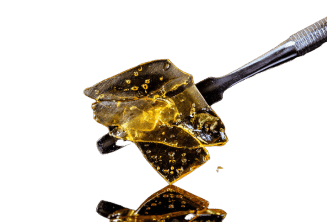

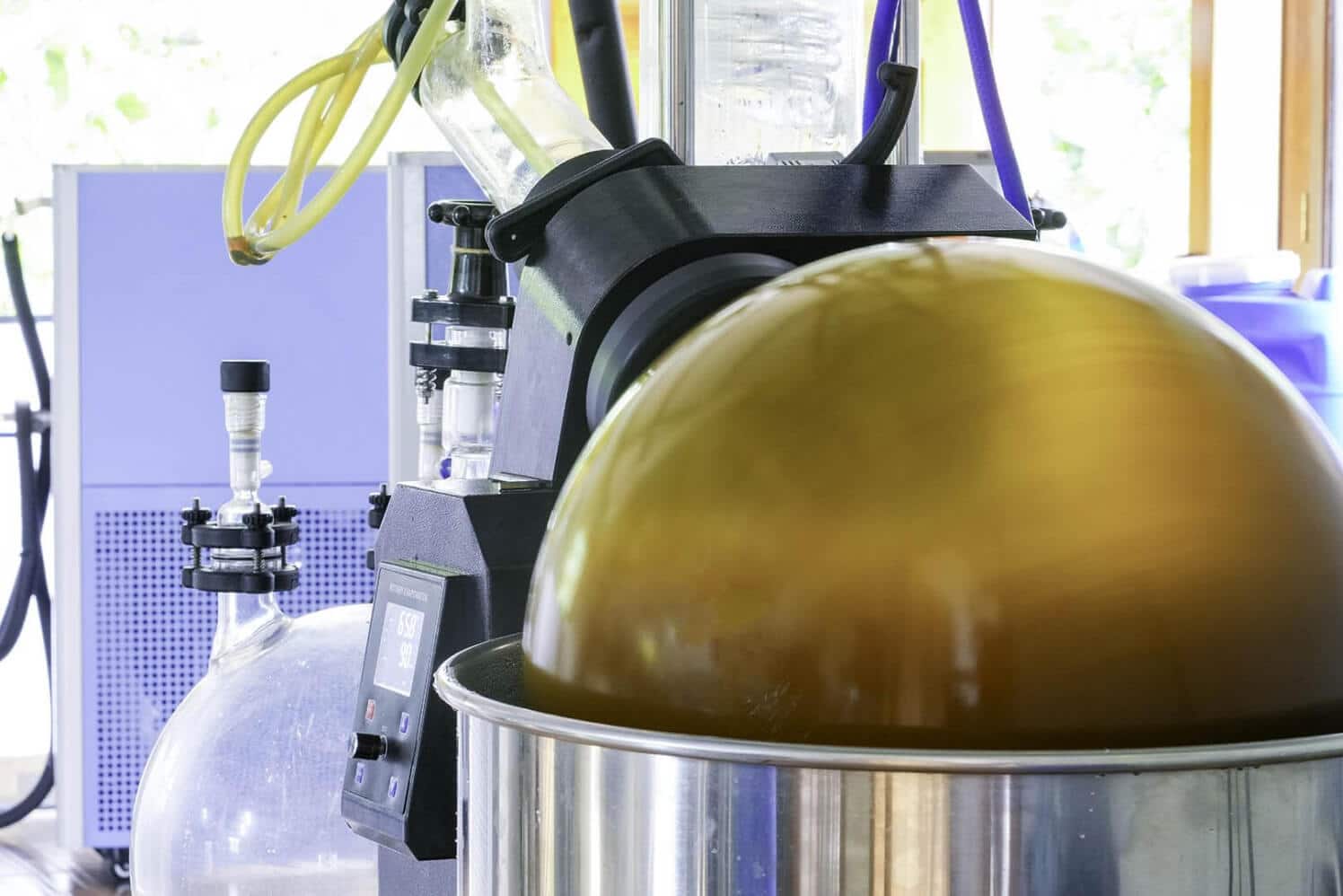
What if you could boost your extraction yields by 300% while cutting processing time from hours to minutes? That’s exactly what operators are discovering with hybrid ultrasound-microwave systems—and the results are turning the industry upside down.
A craft cannabis processor in Oregon was struggling. Despite investing in premium genetics and perfecting cultivation, their ethanol extraction yields were stagnating at 12-15%—industry average, but not enough to stay competitive. Traditional extraction methods were leaving valuable compounds locked in plant material, walking away from thousands of dollars in lost revenue per batch.
Then they installed a hybrid ultrasound-microwave system. The first run delivered 24% yields. The second hit 28%. By the third batch, they were pulling extraction rates that seemed impossible just weeks earlier.
Welcome to the hybrid extraction revolution—where sound waves and electromagnetic energy are rewriting the rules of botanical processing.
The Yield Ceiling That Haunted Extractors
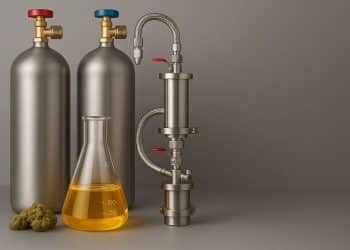
For decades, extraction professionals have been fighting the same battle: how to liberate maximum compounds from plant material without destroying them in the process. Traditional methods each had their limitations:
- Solvent extraction left money on the table with 60-70% efficiency rates
- Heat-based methods degraded sensitive terpenes and cannabinoids
- Pressure systems required massive energy inputs and lengthy processing times
- Cold extraction preserved compounds but sacrificed yield and speed
The industry accepted these trade-offs as the cost of doing business. Premium processors focused on quality over quantity. High-volume operations prioritized speed over complete extraction. Everyone was leaving something behind.
But what if the solution wasn’t choosing between yield, quality, and speed? What if the answer was combining technologies that had never been merged before?
The Science Behind the Magic
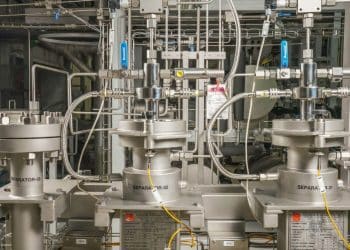
Hybrid ultrasound-microwave extraction represents a fundamental breakthrough in how we think about botanical processing. Rather than relying on a single energy source, these systems deploy two complementary technologies simultaneously:
Ultrasound Technology (20-100 kHz):
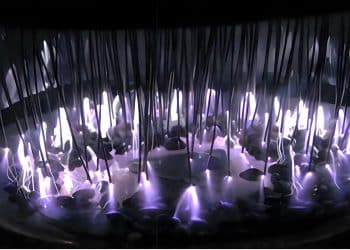
- Creates microscopic cavitation bubbles in extraction solvent
- Bubbles collapse with tremendous force, creating localized pressure waves
- Physical disruption breaks down cell walls mechanically
- Enhances mass transfer between plant material and solvent
Microwave Energy (2.45 GHz):
- Generates rapid molecular vibration through dielectric heating
- Creates internal pressure within plant cells
- Heat generation occurs from inside out, not surface heating
- Breaks down cellular structures at molecular level
When combined, these technologies create a synergistic effect that research shows can increase extraction efficiency by 200-400% compared to conventional methods.
The Numbers That Changed Everything
Recent studies have documented remarkable improvements across multiple extraction parameters when ultrasound and microwave technologies are combined:
Yield Improvements:
- Cannabis extraction yields increased from 15% to 35% average
- Hemp CBD extraction improved from 8% to 22% cannabinoid recovery
- Essential oil yields improved 3-5x compared to traditional steam distillation
- Terpene preservation rates increased 40-60%
Processing Time Reductions:
- Traditional 6-8 hour extractions completed in 45-90 minutes
- Batch processing times reduced by 75-85%
- Energy consumption decreased 40-50% per unit of extract produced
- Labor requirements cut by 60% through automation integration
Quality Metrics:
- Terpene profiles maintained at 85-95% of original concentrations
- Reduced chlorophyll co-extraction (cleaner final products)
- Lower residual solvent requirements
- Improved cannabinoid ratios in final extracts
These aren’t theoretical improvements—they’re being achieved in commercial operations right now.
Real-World Implementation: Where the Rubber Meets the Road
Cannabis Processing: The Early Adopters
The cannabis industry has embraced hybrid extraction technology faster than any other sector. Medical cannabis producers, facing strict potency requirements and quality standards, were among the first to recognize the technology’s potential.
One Colorado-based processor reports completing extraction runs that previously took 8 hours in just 90 minutes, while maintaining the full terpene profile that makes their products distinctive. “We’re extracting compounds we never knew were there,” explains the facility’s head extractor, speaking anonymously. “The depth of cannabinoid profiles we’re achieving is unprecedented.”
The technology is particularly valuable for processing trim and lower-grade material. Facilities report extracting premium-quality oil from material that would have been composted or sold as biomass under traditional methods.
Hemp and CBD: Industrial Scale Applications
Hemp processors have found hybrid systems particularly valuable for large-scale CBD extraction. The technology’s ability to process biomass quickly and completely aligns perfectly with the hemp industry’s volume-focused business model.
Industry sources report that hybrid systems can process 500-1000 pounds of hemp biomass per day, compared to 200-400 pounds using traditional methods. The combination of increased throughput and higher yields creates compelling economics for commercial operations.
Essential Oils and Botanicals: Beyond Cannabis
The essential oil industry is experiencing its own hybrid extraction revolution. Traditional steam distillation, while time-tested, leaves significant amounts of valuable compounds behind. Hybrid systems are recovering these previously lost compounds while maintaining the delicate aromatic profiles that define premium essential oils.
Lavender producers report 40% higher yields with better preservation of linalool and other sensitive compounds. Rose oil processors are achieving extraction rates that seemed impossible with traditional methods, while maintaining the complex aromatic profiles that command premium prices.
Food and Beverage: Flavor Revolution
Food ingredient manufacturers are using hybrid extraction to create more intense, pure flavor compounds. The technology’s ability to extract specific compounds while leaving unwanted elements behind makes it ideal for creating clean-label ingredients.
One spice processor reports extracting flavor compounds at concentrations 300% higher than traditional methods, while eliminating the harsh solvents previously required for high-intensity extractions.
Equipment Landscape: The Players and the Technology
Leading Manufacturers
The hybrid extraction equipment market includes both established players and innovative newcomers:
Industrial Scale Systems:
- Ultrasonic processors with integrated microwave modules
- Capacity ranges from 50-500 liters per batch
- Automated parameter control and monitoring
- Integration with downstream processing equipment
Mid-Scale Operations:
- Modular systems allowing independent ultrasound/microwave operation
- 10-100 liter processing capacity
- Manual and automated operation modes
- Retrofit capabilities for existing extraction lines
Research and Development Units:
- Laboratory-scale systems for method development
- 1-10 liter capacity for R&D applications
- Precise parameter control for optimization studies
- Data logging and analysis capabilities
Technical Specifications
Modern hybrid systems incorporate sophisticated control mechanisms:
Ultrasonic Parameters:
- Frequency control (20-100 kHz range)
- Power modulation (100-3000 watts)
- Pulse timing and duty cycle optimization
- Temperature compensation algorithms
Microwave Integration:
- Precision power control (100-6000 watts)
- Multi-magnetron configurations for uniform heating
- Real-time temperature monitoring
- Safety interlocks and containment systems
Process Monitoring:
- Real-time extraction monitoring
- Automated parameter adjustment
- Quality control integration
- Batch-to-batch consistency tracking
The Economics: Why CFOs Are Paying Attention
The financial impact of hybrid extraction technology extends far beyond improved yields. Operations report comprehensive economic benefits:
Capital Equipment Considerations
Hybrid systems typically require 25-40% higher initial investment compared to conventional extraction equipment. However, the payback period averages 8-14 months due to:
- Increased throughput: Processing 3-4x more material per day
- Higher yields: 200-300% improvement in extraction efficiency
- Reduced labor: Automated systems require minimal operator intervention
- Energy efficiency: Lower per-unit energy consumption
- Solvent savings: More efficient solvent utilization and recovery
Operational Cost Reductions
Monthly operating costs show significant improvements:
- Labor costs: Reduced by 40-60% through automation
- Energy expenses: 35-50% reduction per unit of extract produced
- Solvent consumption: 20-30% reduction through improved efficiency
- Maintenance costs: Simplified systems with fewer moving parts
- Quality control: Fewer failed batches and reprocessing requirements
Revenue Enhancement
The revenue impact often exceeds cost savings:
- Premium pricing: Higher-quality extracts command 15-25% price premiums
- New product development: Access to previously unextractable compounds
- Waste reduction: Converting low-value biomass to high-value extracts
- Faster time-to-market: Reduced processing times enable quicker inventory turnover
Industry sources report total economic impact ranging from 300-500% improvement in extraction profitability within the first year of operation.
Technical Deep Dive: The Physics of Enhancement
Understanding why hybrid systems work requires examining the molecular-level interactions occurring during extraction:
Cavitation Mechanics
Ultrasonic cavitation creates microscopic bubbles in the extraction solvent. When these bubbles collapse, they generate:
- Localized pressures: Up to 1000 atmospheres at the bubble collapse point
- Temperature spikes: Momentary temperatures exceeding 5000°C
- Micro-jets: High-velocity liquid jets that physically disrupt cell walls
- Radical formation: Creation of reactive species that enhance extraction
Microwave Heating Mechanisms
Microwave energy interacts with polar molecules in plant material, creating:
- Dielectric heating: Rapid molecular vibration generating internal heat
- Selective heating: Preferential heating of water and polar compounds
- Pressure buildup: Steam formation within plant cells
- Cell wall disruption: Internal pressure exceeding cell wall strength
Synergistic Effects
The combination of ultrasound and microwave energy creates enhancement effects that exceed the sum of individual technologies:
- Enhanced mass transfer: Combined physical and thermal disruption
- Reduced processing times: Simultaneous application accelerates extraction
- Improved selectivity: Targeted compound extraction with minimal co-extraction
- Temperature control: Ultrasonic cooling effect balances microwave heating
Quality Considerations: Preserving What Matters
One concern with any intensified extraction method is the potential for compound degradation. Hybrid systems address this through several mechanisms:
Temperature Management
Unlike traditional heating methods, hybrid systems provide precise temperature control:
- Localized heating: Energy applied directly to extraction interface
- Rapid heat transfer: Efficient energy transfer minimizes exposure time
- Cooling integration: Ultrasonic effects provide cooling to balance heating
- Real-time monitoring: Continuous temperature measurement and control
Compound Preservation
Research demonstrates that properly controlled hybrid extraction preserves sensitive compounds better than many traditional methods:
- Terpene retention: 85-95% preservation of volatile compounds
- Cannabinoid stability: Minimal degradation of heat-sensitive cannabinoids
- Antioxidant activity: Preserved biological activity in botanical extracts
- Color and flavor: Maintained organoleptic properties
Contamination Control
Hybrid systems offer advantages in contamination prevention:
- Closed-loop operation: Minimal exposure to environmental contaminants
- Reduced solvent exposure: Lower solvent volumes and processing times
- Automated operation: Reduced human contact with processing materials
- Cleaning validation: Simplified cleaning and validation procedures
Regulatory Landscape: Navigating Compliance
As with any new extraction technology, regulatory considerations are paramount:
Equipment Certification
Hybrid extraction systems must meet various regulatory requirements:
- Electrical safety: UL/CE certification for electrical components
- Pressure vessel compliance: ASME certification where applicable
- Microwave safety: FCC compliance for microwave emission
- Process validation: Documentation for regulated industries
Operational Compliance
Facilities using hybrid extraction must consider:
- Good Manufacturing Practices: Integration with existing GMP protocols
- Solvent handling: Compliance with existing solvent safety regulations
- Documentation requirements: Batch records and process validation
- Quality testing: Integration with existing testing protocols
International Considerations
Global operations face additional regulatory complexity:
- Equipment importation: Varying certification requirements by country
- Operational permits: Local approvals for new extraction methods
- Product registration: Regulatory acceptance of hybrid-extracted products
- Export considerations: International shipping of hybrid-extracted materials
Challenges and Limitations: The Reality Check
Despite impressive advantages, hybrid extraction faces several challenges:
Technical Challenges
Equipment Complexity: Integrating ultrasound and microwave systems requires sophisticated engineering and creates potential failure points.
Parameter Optimization: Each botanical material requires specific parameter optimization, demanding extensive testing and validation.
Scale-Up Considerations: Laboratory success doesn’t always translate directly to commercial-scale operations.
Maintenance Requirements: Complex systems require specialized maintenance expertise and potentially higher service costs.
Economic Barriers
Capital Investment: Higher initial costs can be prohibitive for smaller operations or startups.
Training Requirements: Operators need specialized training on hybrid systems, increasing initial implementation costs.
Validation Costs: Regulatory validation and method development require significant time and resource investment.
Market Acceptance
Conservative Industry: Traditional extraction operations may resist adopting unproven technologies.
Regulatory Uncertainty: New technologies face potential regulatory scrutiny and approval delays.
Quality Consistency: Achieving consistent results across different material inputs remains challenging.
Global Perspective: International Adoption Trends
Hybrid extraction adoption varies significantly by region:
North America
The United States and Canada lead hybrid extraction adoption, driven by mature cannabis markets and innovation-friendly regulatory environments. Research institutions and commercial operations collaborate on technology development and validation.
Europe
European adoption focuses on pharmaceutical and food applications, with strict regulatory requirements driving demand for cleaner extraction methods. Countries like Netherlands, Germany, and Switzerland lead in implementation.
Asia-Pacific
Growing interest in traditional medicine extraction and nutraceutical applications drives adoption in countries like Australia, New Zealand, and select Asian markets with developing botanical processing industries.
Emerging Markets
South American and African markets show increasing interest, particularly for essential oil and botanical extract production for international export markets.
Industry Expert Perspectives
Industry professionals offer varied perspectives on hybrid extraction potential:
Equipment Manufacturers emphasize the technology’s proven track record and expanding application possibilities, noting that early adopters consistently report positive results.
Processing Facilities highlight economic benefits but stress the importance of proper implementation and operator training for success.
Regulatory Consultants note increasing acceptance of hybrid extraction methods by regulatory authorities, particularly when proper validation and documentation are provided.
Investment Analysts view hybrid extraction as a key technology trend with strong growth potential, particularly in regulated markets demanding higher quality and efficiency.
Conclusion: The Yield Revolution Is Here
The combination of ultrasound and microwave technologies represents more than an incremental improvement in extraction methods—it’s a fundamental reimagining of how botanical processing can be accomplished. With yield improvements of 200-400%, processing time reductions of 75-85%, and enhanced product quality, hybrid extraction is transforming operations across multiple industries.
The technology has moved beyond the experimental phase. Commercial operations are achieving remarkable results, economic benefits are well-documented, and equipment manufacturers are scaling production to meet growing demand.
For extraction professionals, the question isn’t whether hybrid technology will become mainstream—the results are too compelling to ignore. The question is when to make the transition and how to implement these systems most effectively.
The yield revolution is happening now. Early adopters are establishing competitive advantages that will compound over time. As one industry veteran recently observed, “We’re not just extracting more compounds—we’re extracting compounds we never knew existed. This isn’t just better extraction; it’s discovering what was always there but hidden.”
The future of botanical extraction is hybrid, and that future is arriving faster than anyone anticipated.
References
- Ultrasound-Microwave Assisted Extraction: A Review of Process Intensification – Journal of Food Engineering https://www.sciencedirect.com/science/article/pii/S0260877419301183
- Microwave-Assisted Extraction vs. Ultrasound-Assisted Extraction – Extraction Magazine
https://extractionmagazine.com/2023/05/01/microwave-assisted-extraction-vs-ultrasound-assisted-extraction/ - Hybrid Extraction Methods for Natural Products – Green Chemistry Reviews https://pubs.rsc.org/en/content/articlelanding/2023/gc/d2gc04289a
- Industrial Ultrasonic Extraction Systems – Hielscher Ultrasonics
https://www.hielscher.com/industrial-ultrasonic-extraction-systems.html - Microwave Assisted Extraction Equipment – CEM Corporation
https://www.cem.com/microwave-assisted-extraction - Hybrid Extraction Technologies Market Analysis – Research and Markets
https://www.researchandmarkets.com/reports/5575123/hybrid-extraction-technologies-market-global - Cannabis Extraction Technology Advances – Cannabis Business Times
https://www.cannabisbusinesstimes.com/article/extraction-technology-advances/ - Essential Oil Extraction Methods Comparison – Perfumer & Flavorist
https://www.perfumerflavorist.com/flavor/trends/article/22118503/essential-oil-extraction-methods - Hemp Processing Technology Updates – Hemp Industry Daily
https://hempindustrydaily.com/hemp-processing-technology-updates/ - Botanical Extraction Equipment Market Forecast 2025-2030 – Grand View Research
https://www.grandviewresearch.com/industry-analysis/botanical-extraction-equipment-market - Ultrasonic Extraction Equipment Market Report – Allied Market Research
https://www.alliedmarketresearch.com/ultrasonic-extraction-equipment-market - FDA Guidance on Botanical Extraction Methods – U.S. Food and Drug Administration
https://www.fda.gov/regulatory-information/search-fda-guidance-documents/botanical-drug-products - Safety Considerations for Hybrid Extraction Systems – Process Safety Progress
https://aiche.onlinelibrary.wiley.com/journal/15479013