
• Advertise
  • Contact Us
  • Write For Us
  • Our Team
Extraction Magazine
No Result
View All Result
  • Botanical Extraction
    • Cannabinoids
    • Psychedelics
    • Nutraceutical
    • Product Refinement
  • Industry News
    • Business
    • Sustainability
    • Safety & Compliance
    • Partners
  • Extraction Technology
    • Equipment
    • Methods
    • Solvents
    • DIY Extraction
    • Analytical Techniques
  • Medical Research
  • Glossary
  • Business Directory
  • Botanical Extraction
    • Cannabinoids
    • Psychedelics
    • Nutraceutical
    • Product Refinement
  • Industry News
    • Business
    • Sustainability
    • Safety & Compliance
    • Partners
  • Extraction Technology
    • Equipment
    • Methods
    • Solvents
    • DIY Extraction
    • Analytical Techniques
  • Medical Research
  • Glossary
  • Business Directory
No Result
View All Result
Extraction Magazine
No Result
View All Result
Home Botanical Extraction

Cellulose Fiber Extraction from Flax and Hemp

Lisa Rennie by Lisa Rennie
October 10, 2021
in Botanical Extraction, Nutraceutical
Cellulose Fiber Extraction from Flax and Hemp

Both flax and hemp plants have long been cultivated and used by humans for their extracts and fibers. Uses of these plants include rope, cord, sackcloth, and clothing. Flax plants have been more commonly associated with finer cloths, while hemp plants have been more often linked to thicker yarns, hence the preference for the latter in the industrial realm.

While flax cultivation has been uninterrupted over the centuries, hemp cultivation experienced legal restrictions in the early part of the 20th century due to the mistaken assumption that it produces significant amounts of tetrahydrocannabinol (THC), the main intoxicating compound found in the cannabis plant. But the alleviation of these regulations in the US and the eventual emergence of the 2018 Farm Bill led to the resurgence of hemp cultivation and extraction.

READ ALSO

CBD‑Specific Gear Hits US $65 M Market Milestone

Turnkey Extraction and Purification Units for Cannabis Processing

Now, there is more focus being placed on both hemp and flax plant cultivation and the extraction of cellulose fibers. [1] The extraction of fibers is being done for a variety of purposes. Bast fibers are collected from the phloem surrounding the core of dicotyledonous plants and give strength and support.

Industrial advancements have decreased the use of bast fibers. That said, a heightened focus on sustainability and the environment has revitalized interest in bast fiber utility.

The fiber cells of the plants develop into layered structures as they mature into young fibers. As they elongate, the cell walls are made up mainly of cellulose, pectins, and hemicelluloses. To extract fibers from the stems of flax and hemp plants, the process of retting must first occur, which essentially weakens the connection between the fibers and their surrounding material.

Retting can be done in several ways. Traditionally, hemp is cut and exposed to weather in the field. Fungi and bacteria naturally break down the stalks. Water retting places the hemp in water, where it is more quickly broken down by aerobic bacteria, although the costs of drying the fibers and treating wastewater often prove prohibitive. Emerging industrial options include enzymatic applications, particularly pectinases, as well as chemical treatments and physical separations (e.g., relying on microwaves).

Following this, a mechanical process separates the bundles of fiber. The woody core is first broken up by pulverizing the stems, followed by the removal of the broken pieces (scutching) and short fibers (hackling).

The final product results in individual fiber bundles that can be further split into finer strands, or elementary fibers. It’s this material that can be used for industrial purposes, such as the manufacturing of textiles. For applications that require finer fibers, such as in the use of creating fine clothing, the fibers need to undergo additional chemical processing to further separate the bundles into finer strands.

This cottonization requires delignification (removing the lignin). Potential industrial treatments include enzymatic, microbial, and chemical treatments, the latter of which includes common pulping processes like kraft, soda, and sulfite.

The increased use of flax and hemp fibers may replace other components used to create textiles, wood fiber, glass fiber, and clothing, among others. Right now, flax and hemp fiber production volumes are heavily overshadowed by the outputs of other materials, though there are efforts in place to boost flax and hemp fiber output.

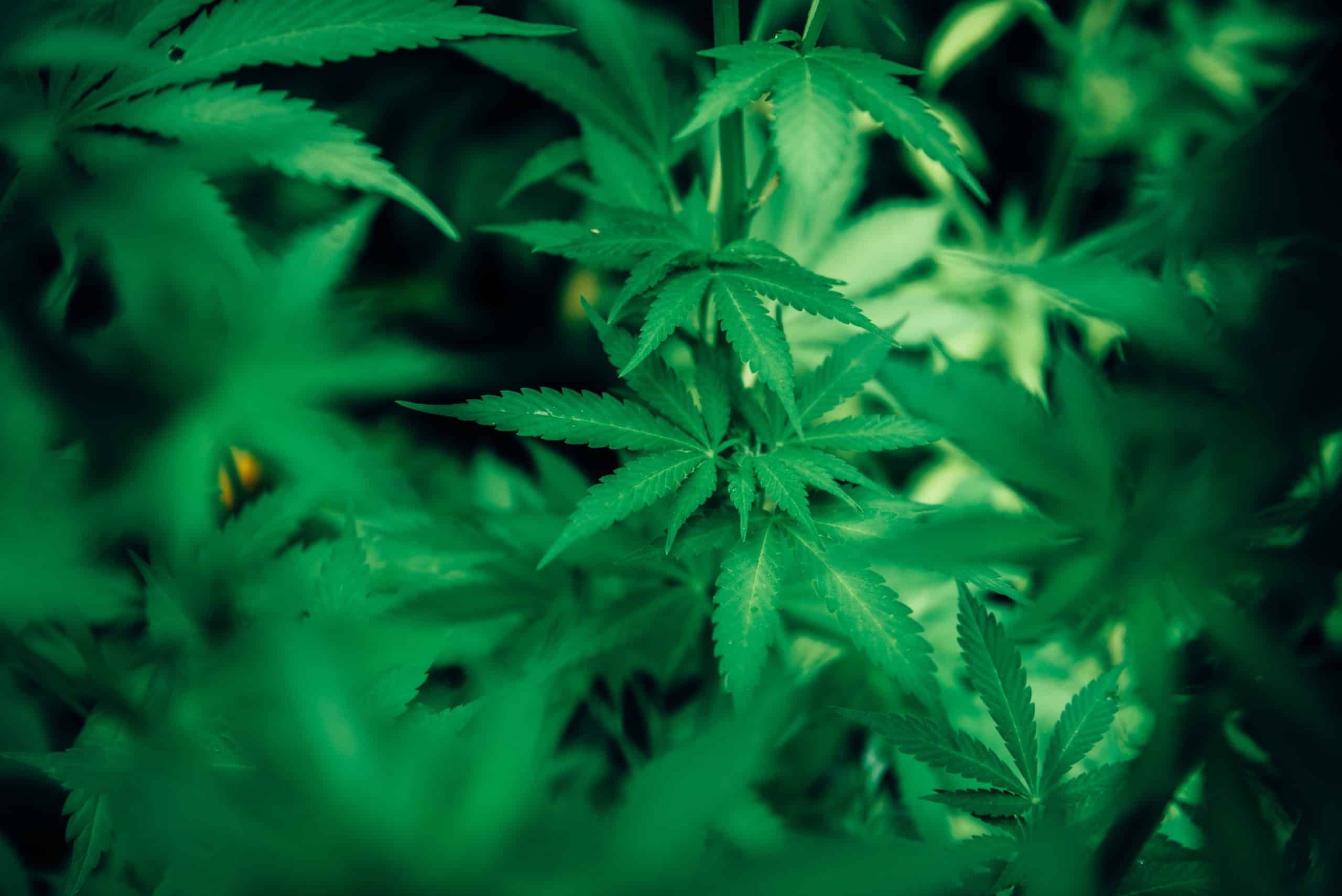
Photo by Harrison Haines from Pexels


References:

  1. Manian AP, et al. Extraction of cellulose fibers from flax and hemp: a review. Cellulose. 2021;28:8275–8294. [Impact Factor: n/a; Times Cited: 5.044]
 

Related Posts

Modern CBD extraction equipment in a commercial cannabis processing facility
Botanical Extraction

CBD‑Specific Gear Hits US $65 M Market Milestone

September 22, 2025
Turnkey cannabis extraction lab equipment integrating extraction, purification, and distillation in a single automated system
Botanical Extraction

Turnkey Extraction and Purification Units for Cannabis Processing

July 1, 2025
Wide angle view at two workers wearing protective suits while inspecting production at modern chemical plant, copy space
Botanical Extraction

Collaborative Approaches in Botanical Extraction: Bridging Science and Industry

June 7, 2025
Taxonomic Framework of Cannabis
Cannabinoids

The Taxonomic Framework of Cannabis: Nomenclature of Nugs

May 29, 2025
The Art of Extraction: Unlocking Nature’s Fragile Secrets
Botanical Extraction

The Art of Extraction: Unlocking Nature’s Fragile Secrets

May 15, 2025
Areca Catechu
Botanical Extraction

Inside the Betel Nut High: Exploring the Mind-Bending Effects of Areca Catechu

May 1, 2025
Next Post
Analyzing Essential Oils of Cannabis sativa L.

Analyzing Essential Oils of Cannabis sativa L.

LATEST ARTICLES

Modern CBD extraction equipment in a commercial cannabis processing facility

CBD‑Specific Gear Hits US $65 M Market Milestone

September 22, 2025
Buffalo Hybrid Extraction System

Multi‑Tech Platforms: Hybrid Extraction On Tap

July 20, 2025
AI-powered cannabis cultivation system optimizing terpene and cannabinoid production with real-time data analytics

How AI-Designed Formulas Just Cracked the $2.3B Terpene Code

July 14, 2025
Cannabis oil and concentrates representing the booming extracts market projected at $16.6 billion in 2025

Cannabis Extracts Market Projected at US $16.6 B in 2025

July 7, 2025

Subscribe Now

Subscribe to our newsletter now to receive quick updates from us


    Background
    About

    Extraction Magazine is the trusted provider of botanical extraction news, ever-changing politics, cool gadgets and technologies, and methods for producing safe, ethical, and compliant formulations.

    Advertisers
    Navigation
    • Botanical Extraction
    • Industry News
    • Extraction Technology
    • Medical Research
    • Glossary
    • Business Directory
    Recent Posts
    • CBD‑Specific Gear Hits US $65 M Market Milestone
    • Multi‑Tech Platforms: Hybrid Extraction On Tap
    • How AI-Designed Formulas Just Cracked the $2.3B Terpene Code
    • Cannabis Extracts Market Projected at US $16.6 B in 2025
    Subscribe to our Newsletter
    loader

    Sitemap

    © 2025 Extraction Magazine is the trusted provider of botanical extraction news and the leading media in the ever-changing extraction industry.

    No Result
    View All Result
    • Industry News
    • Botanical Extraction
    • Medical Research
    • Medical Research
    • Glossary
    • Our Team
    • Write For Us

    © 2023 Extraction Magazine is the trusted provider of botanical extraction news and the leading media in the ever-changing extraction industry.