• Advertise
  • Contact Us
  • Write For Us
  • Our Team
Extraction Magazine
No Result
View All Result
  • Botanical Extraction
    • Cannabinoids
    • Psychedelics
    • Nutraceutical
    • Product Refinement
  • Industry News
    • Business
    • Sustainability
    • Safety & Compliance
    • Partners
  • Extraction Technology
    • Equipment
    • Methods
    • Solvents
    • DIY Extraction
    • Analytical Techniques
  • Medical Research
  • Glossary
  • Business Directory
  • Botanical Extraction
    • Cannabinoids
    • Psychedelics
    • Nutraceutical
    • Product Refinement
  • Industry News
    • Business
    • Sustainability
    • Safety & Compliance
    • Partners
  • Extraction Technology
    • Equipment
    • Methods
    • Solvents
    • DIY Extraction
    • Analytical Techniques
  • Medical Research
  • Glossary
  • Business Directory
No Result
View All Result
Extraction Magazine
No Result
View All Result
Home Botanical Extraction

What To Do with Waxes Removed During Winterization?

Caleb Summeril by Caleb Summeril
November 13, 2020
in Botanical Extraction, Cannabinoids, Extraction Technology
What To Do with Waxes Removed During Winterization?

Winterization is an important step in the process of purifying cannabis and hemp extracts. This process involves mixing crude extracts in a solvent like cold ethanol and then waiting for the lipids and waxes from the plant material to partition as insoluble solids. Once these less desirable ingredients are separated from the extract, they are filtered off and the resultant oil is a commercially viable, potent ingredient that can be used in myriad cannabis products such as tinctures, isolates, and edibles.

But can the waxes removed during winterization of hemp crude extract, for example, be used for other purposes or are they truly unwanted byproducts?

READ ALSO

What Happens if Hemp-Derived THC Products Face New Federal Restrictions?

How the 2018 Farm Bill Created Today’s Hemp Industry

There isn’t a plethora of authoritative information out there regarding what to do with these plant waxes. Most of the suggestions found below are anecdotal and based on popular opinion/commentary. But to simply throw them away after winterization is a waste, so here are some suggestions to explore if you have substantial amounts of wax left over.

Repeat the Extraction/Winterization Process

Perhaps before giving up on the waxes as waste, one initial option is to repeat the extraction/winterization process. This can eek out additional cannabinoids, terpenes, and other desirable compounds that can be used as a separate or additional extract. Chances are, it won’t be as potent as the first pass, but an extra rinse makes sense from a practical standpoint. Think of it similarly to an additional steep of a tea bag. Measuring potency in-house offers a data-driven way to know what you’re leaving behind in the wax.

Soaps and Salves and Pomades

Another use for these waxes is to turn them into topical products such as a soap or salve. These can be fairly easy DIY experiments if you are feeling like utilizing your inner homesteader, and cannabinoid-infused topicals offer an alternate way to enjoy their many benefits while being beneficial to your skin. Soaps can be made by using a base or from scratch, and salves are wax-based topical products that are easy to attempt at home. There’s even evidence of some brands using hemp wax in hair pomades.

Eat it Up

While eating wax sounds far from appetizing, there are some people out there who suggest mixing in the remaining waxes after winterization into a variety of edibles. Some folks suggest putting them into capsules and swallowing them down or using them as a thickening agent in other cannabis-based recipes.

Ultimately, while there may not be much discussion of specific uses for hemp waxes, there are many other products designed from plant waxes, such as candles, waterproofing (e.g., surfboards), etc. As more people attempt home-based extracts and the hemp market continues to grow, there are sure to be more ways uncovered on what to do with this leftover wax. Let us know if you have any experience with this in the comments below.

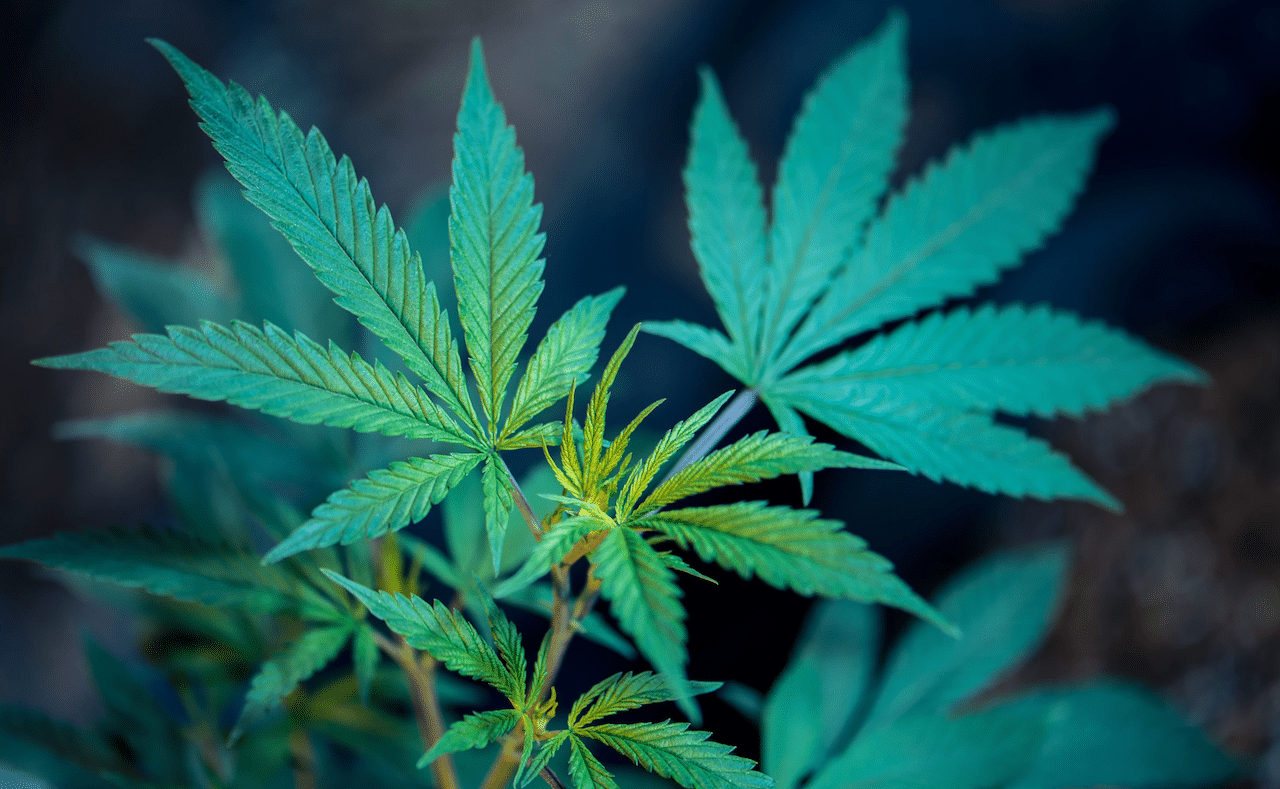
Image source: Unsplash courtesy of Jeff W  
Related Posts

Hemp-derived CBD oil and topical product containers displayed with hemp leaves on a wooden platform
Industry News

What Happens if Hemp-Derived THC Products Face New Federal Restrictions?

October 6, 2026
Large-scale hemp cultivation facility with rows of cannabis plants under greenhouse lighting
Botanical Extraction

How the 2018 Farm Bill Created Today’s Hemp Industry

October 6, 2026
Cannabis leaves and cookies representing cannabinoid-infused consumer food products
Botanical Extraction

Could FDA Become the Primary Regulator of Consumable Cannabinoids?

October 2, 2026
Modern CBD extraction equipment in a commercial cannabis processing facility
Botanical Extraction

CBD‑Specific Gear Hits US $65 M Market Milestone

September 22, 2025
Buffalo Hybrid Extraction System
Extraction Technology

Multi‑Tech Platforms: Hybrid Extraction On Tap

July 20, 2025
Turnkey cannabis extraction lab equipment integrating extraction, purification, and distillation in a single automated system
Botanical Extraction

Turnkey Extraction and Purification Units for Cannabis Processing

July 1, 2025
Next Post
EU may Classify CBD Edibles and Hemp Extracts as Narcotics

EU may Classify CBD Edibles and Hemp Extracts as Narcotics

Sitemap

© 2026 Extraction Magazine is the trusted provider of botanical extraction news and the leading media in the ever-changing extraction industry.

No Result
View All Result
  • Industry News
  • Botanical Extraction
  • Medical Research
  • Medical Research
  • Glossary
  • Our Team
  • Write For Us

© 2026 Extraction Magazine is the trusted provider of botanical extraction news and the leading media in the ever-changing extraction industry.