• Advertise
  • Contact Us
  • Write For Us
  • Our Team
Extraction Magazine
No Result
View All Result
  • Botanical Extraction
    • Cannabinoids
    • Psychedelics
    • Nutraceutical
    • Product Refinement
  • Industry News
    • Business
    • Sustainability
    • Safety & Compliance
    • Partners
  • Extraction Technology
    • Equipment
    • Methods
    • Solvents
    • DIY Extraction
    • Analytical Techniques
  • Medical Research
  • Glossary
  • Business Directory
  • Botanical Extraction
    • Cannabinoids
    • Psychedelics
    • Nutraceutical
    • Product Refinement
  • Industry News
    • Business
    • Sustainability
    • Safety & Compliance
    • Partners
  • Extraction Technology
    • Equipment
    • Methods
    • Solvents
    • DIY Extraction
    • Analytical Techniques
  • Medical Research
  • Glossary
  • Business Directory
No Result
View All Result
Extraction Magazine
No Result
View All Result
Home Botanical Extraction

Optimizing Protein Extraction from Cannabis Buds for Proteomics

Lydia Kariuki by Lydia Kariuki
July 4, 2020
in Botanical Extraction
Optimizing Protein Extraction from Cannabis Buds for Proteomics

Is there a way to maximize protein extraction from the mature buds of cannabis that will give the best results for proteomics?

Proteomics is the study of the make-up of proteins, while a proteome is the sum total of all proteins found in an organism. Proteomics has paved the way for the identification of different proteins in cannabis, however, not much has been done to identify proteins in the reproductive parts of the plant.

READ ALSO

What Happens if Hemp-Derived THC Products Face New Federal Restrictions?

How the 2018 Farm Bill Created Today’s Hemp Industry

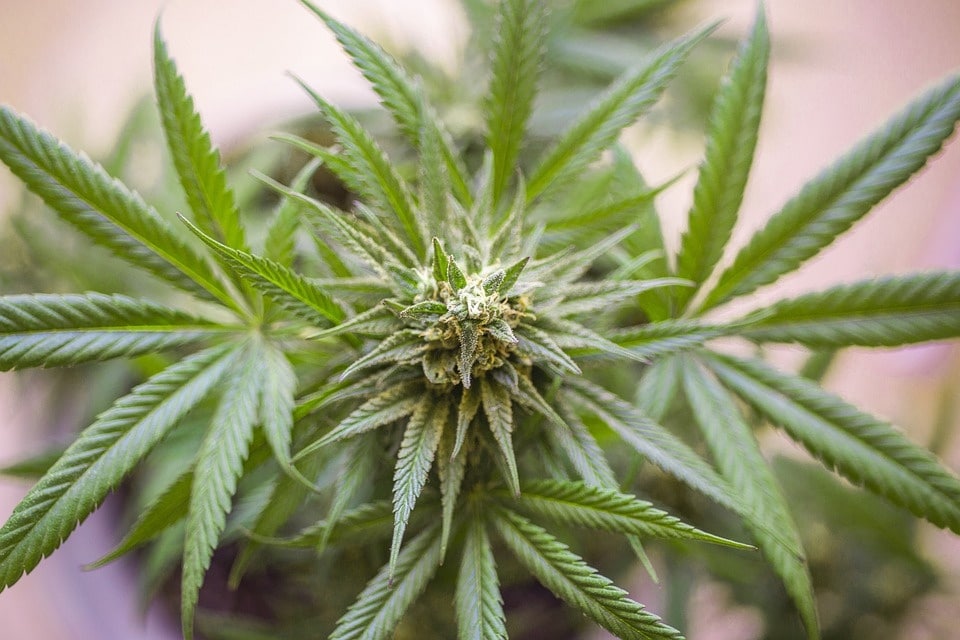
Proteins are a major component of cannabis (and all living organisms). Unfortunately, studies on cannabis (including proteomics) have been hindered by decades of cannabis prohibition. Thankfully, science is now catching up and scientists are more eager than ever to dive in and unearth the potential in this field. So far, the study of proteins has been restricted to immature cannabis plant parts including the seeds, roots, and leaves, but the reproductive parts have been mostly overlooked. However, one recent study has zeroed in on the proteomics of medicinal cannabis’ reproductive tissues. [1] What emerged from this study was confirmation of an effective way to extract and isolate proteins that maximizes on proteomics.

In this study, six protein extraction methods were assessed, including ethanol and acetone with urea or guanidine hydrochloride buffers for resuspension, and the buffers alone. This was followed by proteomics analysis using mass spectrometry to isolate and identify the proteins found. The apical buds and the trichomes were the center of focus (the reproductive parts of the mature medicinal cannabis plant).

The research revealed that extraction using the guanidine hydrochloride buffer was most effective for isolating and detecting proteins from the buds and trichomes as compared to using the urea-based buffer. The best results were achieved when this was preceded by a precipitation step using the trichloroacetic acid/acetone (ethanol with guanidine hydrochloride was next). This technique allowed the researchers to identify roughly 435 peptides in the buds.

Guanidine hydrochloride alone was better for trichomes, allowing the identification of approximately 100 peptides. Overall, the researchers report, “Most proteins belong to the cannabis secondary metabolism (24% in apical buds and 27% in trichomes), which encompasses the biosynthesis of phenylpropanoids, lipids, isoprenoids, terpenoids and cannabinoids.” [1]

Why is this of interest?

This bottom-up approach is necessary if good coverage of the proteome (entire protein composition in cannabis) is to be achieved. These researchers endeavored to provide an enhanced understanding of gene function in cannabis and a scientific basis for genetic selection during cultivation or genome-editing geared towards optimizing the value of medicinal cannabis.

Image Source

Image by Erin Stone from Pixabay

References

  1. Vincent, D., et al. “Optimisation of Protein Extraction from Medicinal Cannabis Mature Buds for Bottom-Up Proteomics.” Molecules, vol.24, no.4, 2019, p. 659. Impact Factor:060; Times Cited: 5 (PubMed)
Related Posts

Hemp-derived CBD oil and topical product containers displayed with hemp leaves on a wooden platform
Industry News

What Happens if Hemp-Derived THC Products Face New Federal Restrictions?

October 6, 2026
Large-scale hemp cultivation facility with rows of cannabis plants under greenhouse lighting
Botanical Extraction

How the 2018 Farm Bill Created Today’s Hemp Industry

October 6, 2026
Cannabis leaves and cookies representing cannabinoid-infused consumer food products
Botanical Extraction

Could FDA Become the Primary Regulator of Consumable Cannabinoids?

October 2, 2026
Modern CBD extraction equipment in a commercial cannabis processing facility
Botanical Extraction

CBD‑Specific Gear Hits US $65 M Market Milestone

September 22, 2025
Turnkey cannabis extraction lab equipment integrating extraction, purification, and distillation in a single automated system
Botanical Extraction

Turnkey Extraction and Purification Units for Cannabis Processing

July 1, 2025
Wide angle view at two workers wearing protective suits while inspecting production at modern chemical plant, copy space
Botanical Extraction

Collaborative Approaches in Botanical Extraction: Bridging Science and Industry

June 7, 2025
Next Post
New Cannabis Extraction Technology May Change the Industry

New Cannabis Extraction Technology May Change the Industry

Sitemap

© 2026 Extraction Magazine is the trusted provider of botanical extraction news and the leading media in the ever-changing extraction industry.

No Result
View All Result
  • Industry News
  • Botanical Extraction
  • Medical Research
  • Medical Research
  • Glossary
  • Our Team
  • Write For Us

© 2026 Extraction Magazine is the trusted provider of botanical extraction news and the leading media in the ever-changing extraction industry.