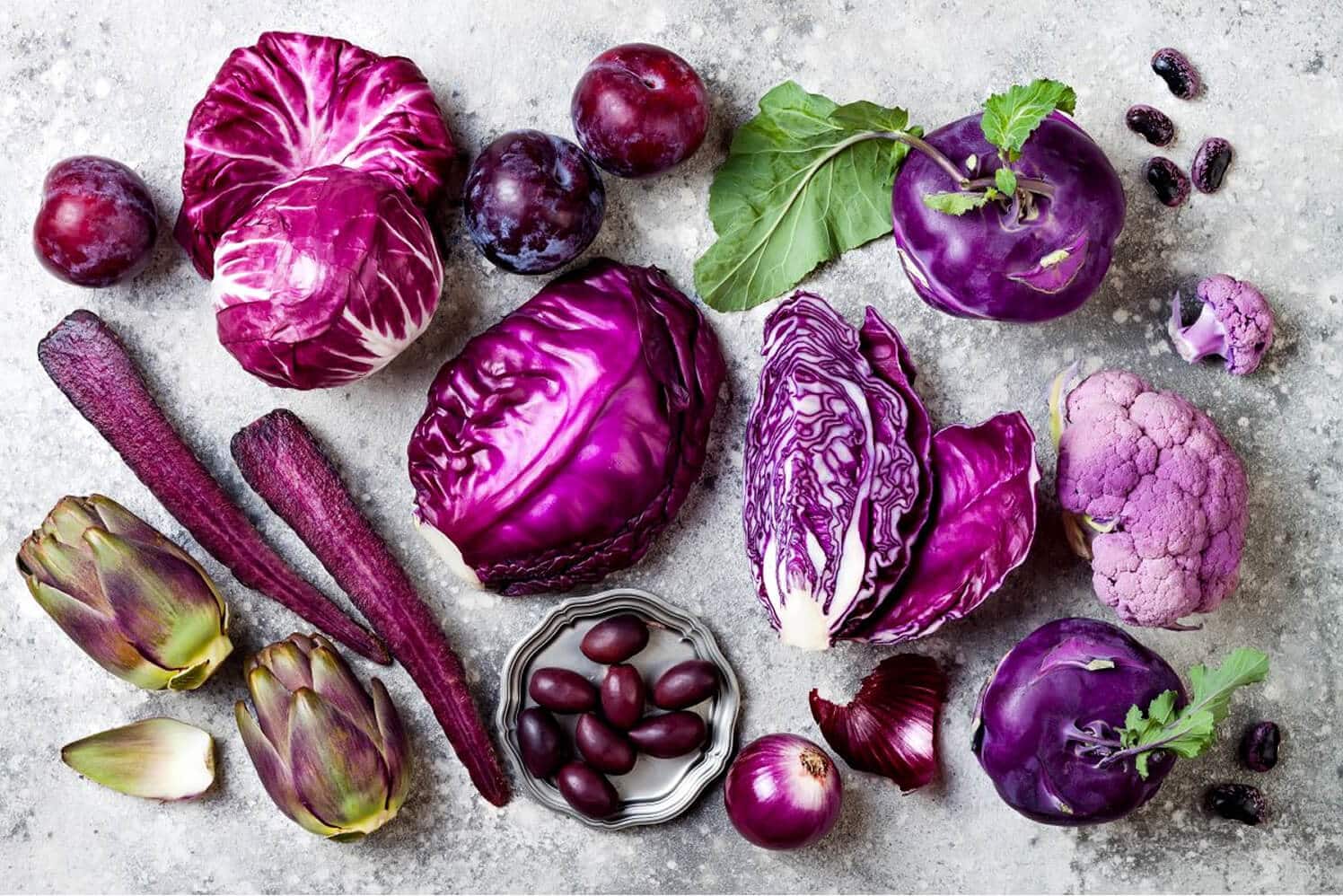
Extracting anthocyanins efficiently has posed significant challenges for decades. Traditional solvent extraction methods are often slow, yield modest recoveries, and can degrade sensitive compounds. These limitations have driven researchers and industry innovators to explore more advanced techniques that can meet both performance and sustainability demands.
Among the most promising developments is ultrasound-assisted pressurized liquid extraction (UAPLE)—a method that merges the cavitation power of ultrasound with the solvent penetration and rapid mass transfer of pressurized liquid extraction (PLE). This combination has transformed how anthocyanins are isolated, setting new benchmarks for speed, yield, and green chemistry.
Understanding UAPLE: Synergy in Action
At its core, UAPLE capitalizes on two complementary forces:
- Ultrasound cavitation produces microscopic bubbles in the extraction medium. When these bubbles collapse near plant tissues, they generate localized high pressure and temperature, disrupting cell walls and liberating intracellular compounds.
- Pressurized liquid extraction uses elevated temperatures and pressures (often 70–180 °C and up to 200 bar) to enhance solvent penetration, reduce viscosity, and accelerate solute diffusion.
By combining these processes, UAPLE achieves exceptional extraction kinetics. Solvent molecules infiltrate plant matrices more effectively, while cavitation events continually break down structural barriers. This dual mechanism dramatically increases the contact surface area between the solvent and the target anthocyanins.
Benchmarks in Extraction Performance
Recent studies have showcased UAPLE’s capabilities with impressive metrics:
- In one seminal investigation using Aronia melanocarpa pomace, researchers optimized parameters to extract nearly 88 wt % of anthocyanins in just 45 minutes. This represented a 19 % higher yield than batch PLE conducted under similar conditions.
- A June 2025 comparative study on purple corn used a ternary solvent system (ethanol–water–o‑phosphoric acid) and confirmed that UAPLE outperformed both conventional maceration and ultrasound-assisted extraction (UAE). Researchers identified 12 distinct anthocyanins using high-performance liquid chromatography coupled with tandem mass spectrometry (HPLC-MS/MS), achieving outstanding sensitivity and reproducibility.
These findings consistently demonstrate that UAPLE delivers faster, cleaner extracts with fewer degradation byproducts—an essential consideration for food and nutraceutical applications where purity is paramount.
The Stability Question: Can Anthocyanins Endure?
One of the most frequent concerns around high-energy extraction is the thermal and mechanical stability of anthocyanins. These pigments are notoriously sensitive to pH, temperature, and oxidative stress.
Studies have addressed this issue with encouraging results:
- Under UAPLE conditions up to 80 °C, anthocyanins maintained structural integrity without significant degradation.
- Pressurized liquid extraction alone showed stability up to 100 °C, though prolonged exposure beyond this threshold accelerated breakdown, particularly in non-acylated glycoside forms.
- Notably, acylated anthocyanins—those with additional acyl groups attached—demonstrated enhanced resilience to temperature and mechanical shear, making them particularly well-suited for robust extraction processes.
These insights have guided the fine-tuning of operational ranges to balance yield and preservation. Most optimized protocols now target 70–95 °C and 150–180 bar, coupled with moderate ultrasound power, to secure maximum recovery without compromising stability.
Comparative Advantages Over Conventional Techniques
Traditional maceration and solvent extraction remain common in many laboratories and production settings. However, side-by-side comparisons have repeatedly highlighted UAPLE’s superior performance:
- Speed: Conventional maceration often requires several hours or even days to reach equilibrium. UAPLE completes extraction in under an hour.
- Yield: Maceration yields are typically 50–70 % of total anthocyanins, while UAPLE frequently exceeds 85–90 %.
- Solvent Consumption: Pressurized liquid conditions reduce solvent viscosity, enabling efficient extraction with smaller volumes.
- Reproducibility: Automated UAPLE equipment delivers precise temperature and pressure control, minimizing operator variability.
- Greenness: Evaluations using tools like AGREEprep and BAGI have confirmed UAPLE’s favorable environmental footprint, particularly when combined with aqueous or low-toxicity solvent systems.
A particularly telling example comes from the purple corn study, where UAPLE earned an AGREEprep score of 0.73 and a BAGI score of 77.5—both indicative of strong sustainability and practical applicability.
Analytical Validation and Quality Assurance
To ensure extracts meet stringent standards for purity and potency, advanced analytical techniques have become standard practice. The 2025 purple corn study exemplifies this trend:
- Linearity: Calibration curves for each anthocyanin exhibited R² values ≥ 0.9992, confirming excellent correlation.
- Limits of Detection: Ranging from 0.30 to 1.70 mg/kg, these thresholds demonstrate the method’s sensitivity.
- Precision and Accuracy: Recoveries approached 97–102 %, with relative standard deviations under 5.4 %.
These metrics underscore the reliability of UAPLE workflows when paired with robust chromatographic and spectrometric analysis.
Green Chemistry: Meeting Sustainability Mandates
Extraction technologies must increasingly prove their environmental credentials. UAPLE’s profile is notably strong in this regard:
- Lower energy demands: Although ultrasound requires additional power, the drastically shorter extraction times offset this consumption.
- Reduced solvent waste: Smaller solvent volumes and more efficient recovery minimize ecological impact.
- Mild solvents: Water and ethanol-based systems are compatible with UAPLE and avoid the toxicity of traditional organic solvents.
The AGREEprep and BAGI assessment tools have become indispensable in quantifying sustainability. In comparative studies, UAPLE consistently scores alongside or better than UAE and PLE alone, validating its place among the most eco-conscious extraction options.
Real-World Applications and Commercial Potential
Beyond laboratory-scale demonstrations, UAPLE has begun to establish itself in commercial settings:
- Functional beverages: High-purity anthocyanin extracts enhance coloration and nutritional profiles without synthetic additives.
- Nutraceuticals and supplements: Standardized extracts ensure consistent dosage and claimed health benefits.
- Natural colorants: Demand for clean-label formulations is driving adoption of UAPLE-derived pigments.
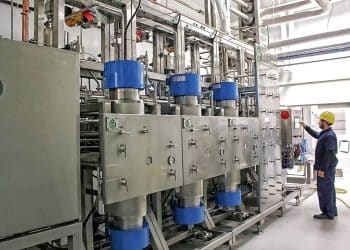
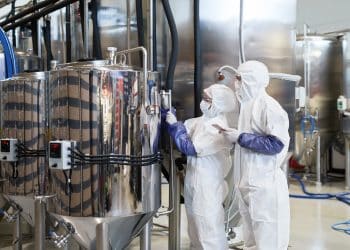
Despite this momentum, challenges remain, particularly regarding scalability. Large-volume extraction systems must maintain consistent ultrasound energy distribution and pressure control to replicate laboratory yields. Equipment manufacturers are now engineering industrial-scale reactors that address these technical hurdles, paving the way for broader adoption.
Challenges and Research Gaps
While the advantages of UAPLE are clear, several research and implementation gaps still require attention before widespread industrial adoption can occur:
- Scale-Up Viability: Transitioning from laboratory setups to large-scale production introduces complexity. Maintaining uniform temperature and ultrasound intensity in multi-liter vessels can be difficult, risking inconsistent yields or incomplete extractions.
- Equipment Costs: High-pressure vessels and ultrasound generators represent significant capital investments. Small and mid-sized processors may struggle to justify the expense without guaranteed throughput improvements.
- Diverse Botanical Matrices: Most studies have focused on a narrow range of substrates—such as Aronia, grape skins, and purple corn. The effectiveness of UAPLE in more fibrous or oily matrices like black rice bran, saffron waste, or tropical fruits remains underexplored.
- Long-Term Stability of Extracts: Although immediate post-extraction stability has been demonstrated, less is known about the shelf life of UAPLE-derived anthocyanin extracts under storage conditions, especially in formulations exposed to light and varying pH.
These gaps represent prime opportunities for innovation and further validation. Researchers are already experimenting with hybrid extraction systems that combine UAPLE with other techniques—like supercritical CO₂ or enzyme-assisted extraction—to tackle more challenging matrices and improve overall efficiency.
Regulatory and Quality Considerations
As UAPLE gains traction, regulatory bodies are also beginning to address process-specific issues. For nutraceuticals and food colorants, regulatory frameworks such as the FDA’s Generally Recognized as Safe (GRAS) certification and the European Food Safety Authority (EFSA) guidelines require detailed documentation of extraction methods.
Key considerations include:
- Residual Solvent Levels: Even when using food-grade solvents, processors must demonstrate that residual levels fall below specified thresholds.
- Batch Consistency: Reproducibility of anthocyanin profiles across batches is essential to satisfy labeling and health claims.
- Traceability and Documentation: UAPLE systems must maintain process logs documenting time, pressure, temperature, and solvent usage for regulatory compliance and internal quality assurance.
These regulatory standards will inevitably shape the way UAPLE is implemented at scale, pushing manufacturers toward more automated and meticulously documented workflows.
Case Study Spotlight: Purple Corn Anthocyanins
One of the most compelling recent examples of UAPLE’s potential comes from the June 2025 purple corn study published in Analytical and Bioanalytical Chemistry. Researchers set out to compare UAPLE with other modern extraction methods, including conventional PLE and ultrasound-assisted extraction (UAE).
Key takeaways from the study include:
- Extraction Efficiency: UAPLE delivered the highest total anthocyanin yield, with a recovery rate exceeding 90%.
- Method Validation: The procedure demonstrated exceptional analytical precision, with recoveries nearing 100% and relative standard deviations consistently below 5.4%.
- Green Chemistry Scores: Despite its higher throughput, UAPLE maintained strong sustainability metrics, achieving an AGREEprep score of 0.73 and a BAGI score of 77.5.
- Comprehensive Profiling: Twelve distinct anthocyanins were identified and quantified, confirming the method’s capability to generate rich, well-characterized extracts.
This case study encapsulates why UAPLE is attracting attention—not just for its speed, but also for its reproducibility, analytical rigor, and environmental profile.
Toward the Future: Trends and Outlook
Looking ahead, several emerging trends are likely to shape the evolution of anthocyanin extraction:
- Integration with Downstream Processing: Combining UAPLE with membrane filtration or chromatography systems to concentrate and purify extracts in a single streamlined workflow.
- Continuous Flow Systems: Development of continuous UAPLE reactors capable of processing higher volumes with minimal downtime.
- Digital Monitoring: Deployment of IoT sensors and machine learning models to optimize extraction conditions in real time.
- Customized Solvent Systems: Formulating solvent blends tailored to specific anthocyanin profiles, enhancing selectivity and minimizing co-extraction of unwanted compounds.
As market demand for natural colors and bioactive ingredients grows, these innovations will be critical to scaling production sustainably and affordably.
Conclusion: UAPLE Sets a New Standard
The quest to extract anthocyanins efficiently, sustainably, and reproducibly has reached a pivotal moment. Ultrasound-assisted pressurized liquid extraction has emerged as a frontrunner, delivering unparalleled speed and yield while maintaining the integrity of these delicate compounds.
By combining the best of ultrasound cavitation and pressurized solvent action, UAPLE overcomes many limitations of conventional approaches. Studies in substrates ranging from Aronia pomace to purple corn confirm that this technique not only meets but often exceeds expectations for green chemistry and analytical validation.
However, unlocking UAPLE’s full potential will require continued investment in scale-up research, regulatory harmonization, and equipment innovation. As processors, researchers, and regulators converge on these challenges, UAPLE is well-positioned to become the gold standard for anthocyanin extraction in the years ahead.
For stakeholders committed to delivering high-purity, sustainably sourced bioactives, the message is clear: UAPLE is more than a laboratory curiosity—it’s the future of anthocyanin extraction.