
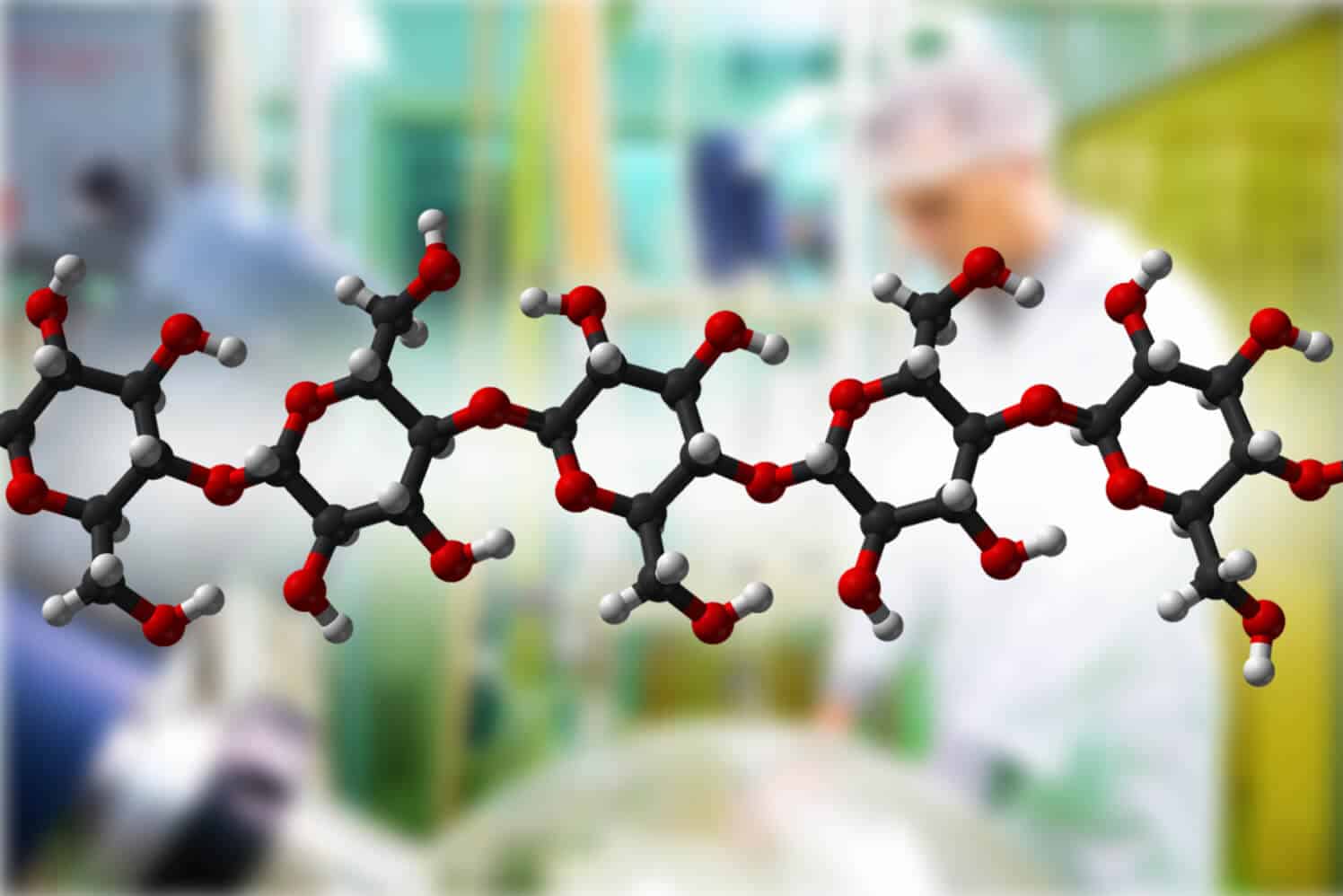
In recent years, researchers have demonstrated that microwave energy not only improves extraction efficiency but also transforms the very structure of polysaccharides, enhancing their biological activity.
This article dives deep into the mechanisms, benefits, and real-world applications of microwave-boosted polysaccharide extraction, revealing why this method is rapidly becoming the gold standard in natural antioxidant production.
The Limitations of Traditional Extraction
Historically, hot-water extraction has been the primary technique for isolating polysaccharides from plants, fungi, and algae. While effective to a degree, this method is slow, energy-intensive, and prone to producing inconsistent yields.
Consider the extraction of antioxidants from seabuckthorn berries. Using conventional heating, researchers struggled to achieve yields over 0.1%. The process required extended heating — sometimes hours — resulting in partial degradation of sensitive polysaccharide chains. This degradation not only reduced yield but also limited antioxidant potency.
Traditional methods often require large solvent volumes and prolonged exposure to high temperatures. This combination can damage the delicate branching structures and functional groups that drive antioxidant activity. As consumer demand for potent, clean-label bioactive ingredients grows, the need for more efficient extraction technologies has never been clearer.
How Microwave-Assisted Extraction Works
Microwave-assisted extraction uses electromagnetic waves in the microwave frequency range to heat plant materials rapidly and uniformly. The key difference compared to traditional heating is that microwaves penetrate the cellular matrix directly, causing polar molecules — especially water — to vibrate. This molecular agitation generates heat from within, creating intense localized pressure that disrupts cell walls and liberates polysaccharides.
Here’s what happens on a structural level:
- Cell Wall Rupture: Microwaves break down rigid cell walls, releasing intracellular polysaccharides that are otherwise difficult to access.
- Depolymerization: Controlled microwave energy reduces molecular weight by breaking glycosidic bonds without destroying bioactivity.
- Branching Enhancement: Structural modifications increase the proportion of branched chains and active sites, improving radical-scavenging potential.
These changes are precisely why microwave extraction often outperforms conventional methods in both yield and functional activity.
Case Study: Seabuckthorn Berry Polysaccharides
A recent study on seabuckthorn berries illustrates the transformative power of MAE. Researchers subjected dried berries to microwave irradiation at 600 watts for six minutes, maintaining the temperature around 85 °C. The results were striking:
- Yield increased to 0.264%, more than doubling the output compared to hot-water extraction.
- Antioxidant enzyme activity improved significantly, with superoxide dismutase (SOD) levels rising and malondialdehyde (MDA) concentrations dropping in treated subjects.
- The extracted polysaccharides showed potent DPPH radical scavenging activity, demonstrating their capacity to neutralize free radicals effectively.
This experiment underscores how MAE not only boosts quantity but also enhances biological potency — benefits that have been replicated across numerous plant and fungal sources.
Structural Advantages of Microwave-Extracted Polysaccharides
Polysaccharide structure profoundly influences antioxidant performance. Molecular weight, monosaccharide composition, and branching patterns all determine how these compounds interact with reactive oxygen species.
In a 2023 study on Pleurotus ferulae, microwave and ultrasound-assisted extraction reduced polysaccharide molecular weight from approximately 1,566 kilodaltons to just 89 kilodaltons. This downsizing was accompanied by:
- Higher branching frequency, which increased the density of active sites.
- Improved solubility, facilitating better bioavailability.
- Enhanced antioxidant effects in cultured immune cells.
Researchers observed that lower-weight, branched polysaccharides were more effective in scavenging hydroxyl radicals and protecting cellular structures from oxidative stress. Similar structural shifts have been documented in polysaccharides derived from Eucommia ulmoides leaves, Herba Patriniae, and oat bran.
Comparative Advantages Over Other Green Extraction Methods
While other “green” techniques — such as ultrasound-assisted extraction, pulsed electric fields, and high-pressure processing — have shown promise, microwave-assisted extraction consistently demonstrates superior performance in both yield and antioxidant activity.
For example:
- Eucommia ulmoides Leaves: MAE at ~74 °C for 15 minutes yielded 12.31% polysaccharides, a figure more than twice that of conventional hot-water extraction.
- Herba Patriniae: MAE increased polysaccharide yield by nearly 488%, with antioxidant metrics (DPPH and hydroxyl radical scavenging) improving by up to 63%.
In some cases, hybrid techniques such as ultrasound–microwave combined extraction (UMCE) have demonstrated synergistic benefits, further elevating yield and functional performance. However, MAE alone remains the most efficient single-method approach for many species.
Health Implications and Potential Applications
The enhanced antioxidant properties of microwave-extracted polysaccharides open the door to a host of applications:
- Functional Foods: Incorporation into beverages, snacks, and supplements for proactive health support.
- Nutraceuticals: Development of concentrated antioxidant formulations targeting oxidative stress and inflammation.
- Cosmetics: Use as bioactive ingredients in skincare products, leveraging free-radical neutralization to combat premature aging.
Emerging research has also linked these polysaccharides to improved immune modulation, glycemic control, and gut health. While antioxidant capacity remains their most well-documented property, the structural improvements achieved through microwave extraction may amplify other health benefits as well.
Sustainability and Efficiency
Microwave-assisted extraction offers compelling sustainability advantages:
- Reduced Solvent Use: Less solvent required compared to conventional techniques.
- Lower Energy Consumption: Shorter processing times (minutes instead of hours).
- Minimal Thermal Degradation: Precise temperature control preserves bioactivity.
These attributes make MAE particularly attractive to manufacturers seeking environmentally friendly processes without sacrificing efficacy.
Future Directions
Although microwave-assisted extraction has proven highly effective, researchers are exploring ways to refine and optimize the technology further:
- Scaling Up: Developing industrial-scale MAE systems that maintain uniform energy distribution.
- Hybrid Methods: Integrating MAE with ultrasound, enzymatic treatments, or pulsed electric fields.
- Selective Extraction: Fine-tuning parameters to target specific polysaccharide fractions with distinct bioactivities.
Continued investment in process innovation will likely yield even more potent antioxidant formulations, paving the way for next-generation nutraceuticals and functional foods.
Conclusion
Microwave-assisted extraction represents a transformative advance in the production of antioxidant-rich polysaccharides. By combining speed, efficiency, and structural optimization, MAE unlocks levels of potency and yield previously unattainable with traditional methods.
From seabuckthorn berries to medicinal mushrooms, a diverse array of natural sources are benefitting from microwave innovation — ushering in a new era of clean-label, high-performance antioxidant ingredients. As research progresses and adoption grows, these polysaccharide powerhouses are poised to become indispensable allies in the pursuit of better health and sustainable production.