
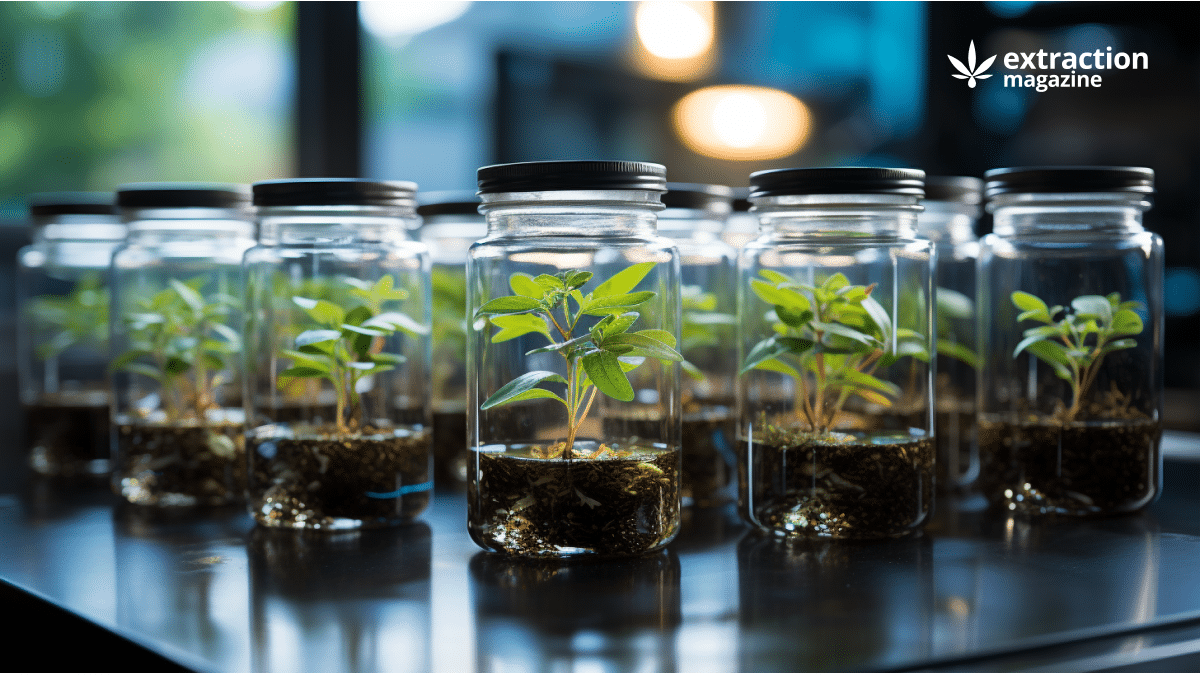
At the beginning of the 20th century, the field of biotechnology has seen the emergence of in vitro plant tissue culture. It has become a powerful and significant technique with numerous applications across multiple industries. [1] In vitro plant tissue culture is an advanced scientific process that involves cultivating plant tissues and cells in a controlled environment other than their natural habitat.
According to research, one of the considerable advantages of in vitro plant is its capability to enhance the production of various biologically active compounds used in cosmetics, pharmaceuticals, and agriculture.
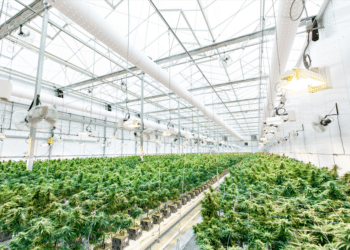
The cannabis industry has also used in vitro plant tissue culture. [2] We will explore what exactly in vitro plant tissue culture is. Also, we will talk about the factors influencing the production, its challenges, and why it’s important.
What Is In Vitro Plant Tissue Culture
In vitro plant tissue culture is a specific technique scientists and researchers use to propagate and grow plants in a laboratory environment.
This process involves using a small piece of a plant, like a root, leaf, or stem. This piece of plant is put into a nutrient medium specially prepared to provide hormones and nutrients the plant needs to grow and develop into an entire plant.
The nutrient-rich medium sterilizes the piece of plant tissue to eliminate any lingering contaminants. Once sterilization has occurred, this tissue is put into a petri dish or test tube.
Eventually, with the perfect light, humidity, and temperature conditions, this tissue will begin to divide and differentiate. It will then form new cells, roots, and shoots, essential for the plant’s successful growth process.
Yet, why do individuals use this technique? The answer is complex but simple. The in vitro plant tissue culture technique is for multiple purposes. For example, for preserving endangered plant species and mass propagating plants with customized desirable traits.
In addition, in vitro plant can also be used by plant breeders to create identical copies of a plant quickly bypassing seed germination. This is one of the reasons this technique is being explored by cannabis growers who want to increase the growth rates and quality of their crops.
Why Is In Vitro Plant Tissue Culture Important?
Most of the pharmaceuticals utilized in current times are based on plant-derived metabolites.
In vitro plant tissue culture is a modern and reliable way to produce important plant active compounds. This is because it guarantees independence from geographical and external conditions.
In addition, using in vitro plant tissue culture to transform plants allows to boost plants characteristics producing enhanced amount of biologically active compounds for using in pharmaceutical formulations.
Besides being a great technique for the pharmaceutical industry, in vitro plant tissue culture has other significant applications. For example, agriculture can use this technique to produce plant growth regulators and biopesticides. Moreover, the cosmetic industry employ this technique to produce enhanced amount of plant compounds. They use it in skincare products like creams, oils, and salves.
Challenges Surrounding In Vitro Plant Tissue Culture
Although in vitro plant tissue culture is helpful in plant biotechnology and agriculture for plant propagation, conservation, and genetic manipulation. That can be applied to numerous industries, it does face unique challenges. [3] Some of these challenges are listed below:
- Genotype dependency: Not all plants respond equally well to tissue culture. Finding suitable cultural conditions for specific plants can be time-consuming and challenging. Not every company will have the means to do this. It can also lead to undesirable plant mutations;
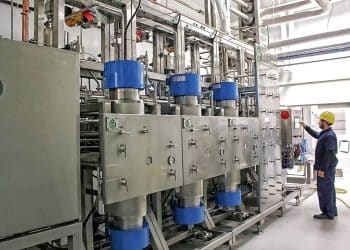
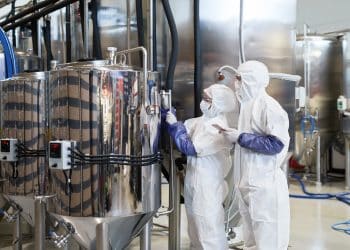
- Cost and scalability:In vitro requires dedicated infrastructure and can be expensive. Scaling up the process is challenging due to cost constraints and specialized facilities. Making it harder for smaller companies and individuals to access this advancing technology;
- Acclimatization and ex vitro transfer: Transitioning plants from a controlled environment to the outside world requires careful protocols to ensure survival and successful establishment. Plants grown using in vitro plant tissue culture can face problems acclimating to their new environments and could die instead of flourish;
- Somatic embryogenesis and organogenesis: In vitro plant efficiency can vary depending on the plant’s genotype. Optimizing culture conditions is necessary to enhance their success rate. Still, it doesn’t mean it will be successful for every plant type.
Fortunately, there are ways to address these challenges. For example, addressing these challenges requires continuous research, optimization of protocols, a collaboration between academia and industry, and technological advancements to improve the success rates, efficiency, and scalability of in vitro plant.
Conclusion
Ultimately, in vitro plant tissue technique has multiple uses and can benefit numerous industries. Although it has its challenges, its benefits seem to outweigh its negatives at this time.
It’s evident that in vitro plant tissue culture has the capability to transform the production of natural products in cosmetics, pharmaceutical products, and agriculture.
References:
- Espinosa-Leal, C. A., Puente-Garza, C. A., & García-Lara, S. (2018, July). In vitro plant tissue culture: Means for production of biological active compounds. Planta.
- Adhikary, D., Kulkarni, M., El-Mezawy, A., Mobini, S., Elhiti, M., Gjuric, R., Ray, A., Polowick, P., Slaski, J. J., Jones, M. P., & Bhowmik, P. (2021, February 4). Medical cannabis and industrial hemp tissue culture: Present status and future potential. Frontiers.