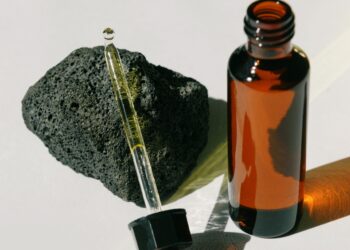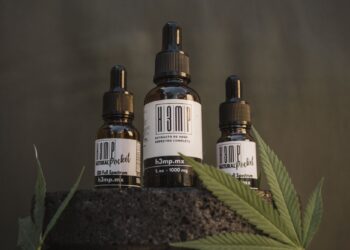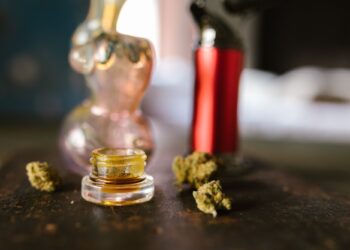
The popularity of botanical extracts has been ballooning in recent years. Sure, cannabis extracts are massively popular and that market only looks increasingly more promising. However, the wider picture of botanical extracts is also looking incredibly bright. A recent market report published by Market Research Future indicates that the botanical extraction market is set to expand to $10.2 billion by 2030. The report focuses on botanical extraction for food, natural medicine, pharmaceuticals and personal care products. It doesn’t even take cannabis extraction into account. The markets are adjacent, but different. Even still, if you speculate on the picture of botanical extraction as a whole, it can only get better.
The Current Market
The cannabis market is pretty obvious. On that side of things, both CBD and THC products are growing in popularity. More states and countries are pushing toward legalization. Infused products are becoming more common and the market is becoming more educated on what’s available, leading to more exploration of different product varieties.
The wider botanical market has multiple areas pushing it forward. Botanical extracts are commonly used in food production to modify and improve flavors. They’re also commonly used for food preservation.
Botanical extracts are also used in the pharmaceutical and nutraceutical markets for their medicinal properties.
Just like cannabis extracts, other botanical extracts are also popular in personal care products, both for their medicinal properties and scents.
What’s Driving the Growth?
There are a lot of factors driving growth in the larger botanical extraction market. The primary one is increased health consciousness and a common desire among consumers to avoid artificial chemicals and additives.
Food and beverage manufacturers are continually turning to botanical extracts to replace chemicals in their products and meet the increasing demand for products free from synthetic ingredients. There is a trend away from sweeteners—both natural and artificial—and toward more subtle natural flavors. Again, botanical extracts provide the perfect solution for the market, leading to even more demand.
At the same time, plant-based foods are on the rise. There’s increased demand for plant-based replacements for meat and dairy driven by growing concerns over climate and health. With the rapidly-growing plant derived food market, manufacturers are looking for new ways to improve taste. Botanical extracts provide the perfect solution.
Natural health and medicine are also on the upswing. The clean health trend is causing consumers to turn away from pharmaceuticals and toward more traditional herbal remedies. For people looking for the best of both worlds, botanical extracts create an opportunity for manufacturers to create natural and convenient options for consumers.
With so many factors at play and the growth of so many markets driving demand for botanical extracts, it’s clear that the $10.2 billion projection is well within the market’s reach.
Resources:
1- https://www.globenewswire.com/news-release/2022/06/23/2467803/0/en/Botanical-Extracts-Market-to-Capture-USD-10-20-Billion-Revenue-by-2030-at-9-5-CAGR-Report-by-Market-Research-Future-MRFR.html
2- https://www.marketresearchfuture.com/reports/botanical-extracts-market-4824
Image: https://www.bigstockphoto.com/it/image-412370656/stock-photo-growing-money%2C-business-finance-and-savings-money-invest-%2C-balance-savings-and-investment%2C-plant-gro