
• Advertise
  • Contact Us
  • Write For Us
  • Our Team
Extraction Magazine
No Result
View All Result
  • Botanical Extraction
    • Cannabinoids
    • Psychedelics
    • Nutraceutical
    • Product Refinement
  • Industry News
    • Business
    • Sustainability
    • Safety & Compliance
    • Partners
  • Extraction Technology
    • Equipment
    • Methods
    • Solvents
    • DIY Extraction
    • Analytical Techniques
  • Medical Research
  • Glossary
  • Business Directory
  • Botanical Extraction
    • Cannabinoids
    • Psychedelics
    • Nutraceutical
    • Product Refinement
  • Industry News
    • Business
    • Sustainability
    • Safety & Compliance
    • Partners
  • Extraction Technology
    • Equipment
    • Methods
    • Solvents
    • DIY Extraction
    • Analytical Techniques
  • Medical Research
  • Glossary
  • Business Directory
No Result
View All Result
Extraction Magazine
No Result
View All Result
Home Industry News

Conversion of CBD into Other Cannabinoids

Sabina Pulone by Sabina Pulone
November 23, 2021
in Industry News
Conversion of CBD into Other Cannabinoids

Cannabidiol (CBD) is the major non-intoxicating constituent of cannabis plants. Because of its broad-spectrum, health-promoting properties and safe pharmacological profile, CBD is commonly added to food supplements, cosmetics, and vaping cartridges, in addition to being sold as prescription medicine.

Depending on the specific regulations, hemp-derived products are considered legal if the levels of intoxicatingΔ9-tetrahydrocannabinol (9-THC) are under a certain percentage. The safety and regulatory concerns that have arisen regarding the possibility of in vivo / in vitro conversion of CBD into other cannabinoids or metabolites are still debated in the scientific community. Many studies reported the conversion of CBD intoΔ9-THC, Δ8-THC and other psychoactive isomers, including Δ7-THC, Δ10-THC, Δ11-THC and iso-THC, upon treatment with heat and strong acids such as hydrochloric acid, sulfuric acid, or p-toluenesulfonic acid. [1] These conversions can also occur in vitro upon treatment with artificial gastric juice for incubation. Moreover, 9-THC and its metabolites, 11-hydroxy-THC or 11-COOH-THC, have been detected in the whole blood of rats several hours after an oral administration of CBD in high dosage range (50 mg/kg).

READ ALSO

How AI-Designed Formulas Just Cracked the $2.3B Terpene Code

Cannabis Extracts Market Projected at US $16.6 B in 2025

Improper storage conditions have been shown to be a possible trigger for the formation of intoxicating compounds from CBD. As mentioned above, in acidic environments, CBD can convert to 9-THC, but also basic conditions can lead to the isomerization of CBD toΔ6-CBD, a compound that has been shown to possess THC-like effects. In addition to the pH of the CBD-derivatives, daylight, room temperature, and oxygen presence increase the conversion rates of CBD. It was postulated that the decomposition of CBD starts with the cyclization to 9-THC, which, in turn, degrades to the mildly intoxicating oxidation by-product cannabinol (CBN). Even if CBD appeared more stable than 9-THC, the storage of CBD products should be carefully monitored and improper or long-term storage should be avoided or controlled using shelf-life tests to limit any chance of CBD conversion. More studies are needed to find compounds or optimal storage conditions that can prevent or slow down CBD degradation.

Detection methods involving the use of heat like gas chromatography/mass spectrometry (GC/MS) can form artifacts through thermal reactions. Interestingly, almost all in vivo scientific studies reporting the detection of 9-THC after CBD administration used GC/MS analytical techniques. In other studies using other analytical techniques, THC derivatives or psychoactive metabolites have never been detected in blood or brain tissues. Because of the similarity of the molecules, there’s a good chance of overlapping peak signals because of similar retention time on high-performance liquid chromatography (HPLC) as well as similar fragmentation patterns with MS. Only high resolution and efficient HPLC/MS methods can be used to unambiguously detect cannabinoids and related metabolites.


References:

[1] Golombek P. et al. Conversion of cannabidiol (CBD) into psychotropic cannabinoids including tetrahydrocannabinol (THC): A controversy in the scientific literature. Toxics. 2020;8(2):41. doi: 10.3390/toxics8020041. PMID: 32503116; PMCID: PMC7357058. [times cited = 10; journal impact factor = 3.531]

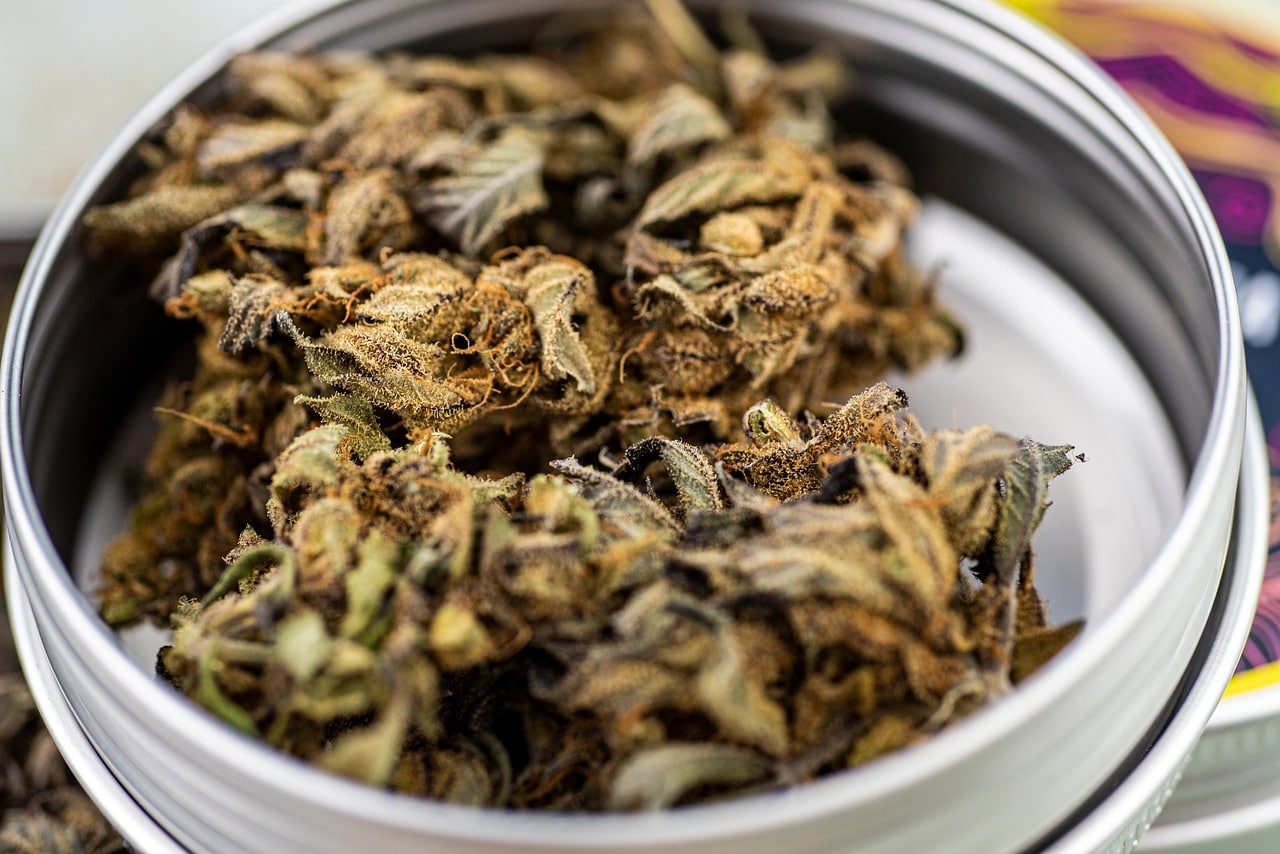
Image: https://pixabay.com/photos/cannabis-marijuana-plant-cbd-macro-6693693/
Related Posts

AI-powered cannabis cultivation system optimizing terpene and cannabinoid production with real-time data analytics
Business

How AI-Designed Formulas Just Cracked the $2.3B Terpene Code

July 14, 2025
Cannabis oil and concentrates representing the booming extracts market projected at $16.6 billion in 2025
Business

Cannabis Extracts Market Projected at US $16.6 B in 2025

July 7, 2025
Transparent cannabis leave, sci-fi, futuristic-looking, in a lab setting.
Business

AI & IoT‑Powered Process Control in Cannabis Extraction Is Here

July 1, 2025
Green Extraction Techniques
Sustainability

Green Extraction Techniques and Smart Solvents for Bioactive Recovery

June 25, 2025
Industrial supercritical CO2 extraction equipment in modern processing facility showing market growth to $75 million in 2025
Industry News

CO₂ Reigns Supreme: How a “Magic” Gas Just Conquered a $75M Market

June 2, 2025
A vision for the cannabis business
Business

Cannabis Business In South America

May 1, 2025
Next Post
Cannabis Extraction Equipment Expenditures in Relation to Total Cost of Ownership

Cannabis Extraction Equipment Expenditures in Relation to Total Cost of Ownership

LATEST ARTICLES

Modern CBD extraction equipment in a commercial cannabis processing facility

CBD‑Specific Gear Hits US $65 M Market Milestone

September 22, 2025
Buffalo Hybrid Extraction System

Multi‑Tech Platforms: Hybrid Extraction On Tap

July 20, 2025
AI-powered cannabis cultivation system optimizing terpene and cannabinoid production with real-time data analytics

How AI-Designed Formulas Just Cracked the $2.3B Terpene Code

July 14, 2025
Cannabis oil and concentrates representing the booming extracts market projected at $16.6 billion in 2025

Cannabis Extracts Market Projected at US $16.6 B in 2025

July 7, 2025

Subscribe Now

Subscribe to our newsletter now to receive quick updates from us


    Background
    About

    Extraction Magazine is the trusted provider of botanical extraction news, ever-changing politics, cool gadgets and technologies, and methods for producing safe, ethical, and compliant formulations.

    Advertisers
    Navigation
    • Botanical Extraction
    • Industry News
    • Extraction Technology
    • Medical Research
    • Glossary
    • Business Directory
    Recent Posts
    • CBD‑Specific Gear Hits US $65 M Market Milestone
    • Multi‑Tech Platforms: Hybrid Extraction On Tap
    • How AI-Designed Formulas Just Cracked the $2.3B Terpene Code
    • Cannabis Extracts Market Projected at US $16.6 B in 2025
    Subscribe to our Newsletter
    loader

    Sitemap

    © 2025 Extraction Magazine is the trusted provider of botanical extraction news and the leading media in the ever-changing extraction industry.

    No Result
    View All Result
    • Industry News
    • Botanical Extraction
    • Medical Research
    • Medical Research
    • Glossary
    • Our Team
    • Write For Us

    © 2023 Extraction Magazine is the trusted provider of botanical extraction news and the leading media in the ever-changing extraction industry.